
Freestanding ER bills raise MISD employee insurance costs
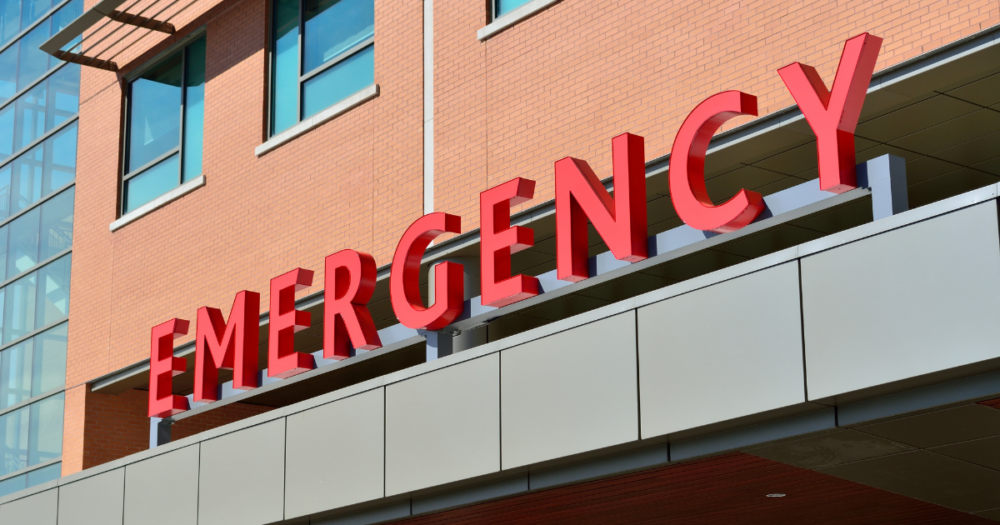
What happened: Midland ISD trustees heard on Tuesday, May 19, that the district’s self-funded employee health insurance plan is on track to spend about $1.7 million more than budgeted for the 2026-27 school year, and district staff said unusually high billing from freestanding emergency clinics is a major reason.
Staff said that SignatureCare Emergency Center billed the plan about $1.5 million this year, up from roughly $1 million the year before. Higher claims costs mean employees with family coverage will see premium increases next year.
Why it matters: MISD operates a self-funded employee insurance plan, typical of large organizations in Texas, meaning the district pays the actual cost of medical claims filed by employees and their families instead of paying a fixed premium to an outside insurer. Blue Cross Blue Shield manages the provider network and claims paperwork, but MISD ultimately pays the bills.
That means when claims come in higher than expected, the district has to draw more heavily from its insurance reserve fund or raise premiums to keep the plan financially stable.
The district said the self-funded model has historically worked well, helping keep the basic employee-only plan free for employees who participate in the wellness program. Still, because the district pays claims directly, unusually high billing in one area can quickly affect MISD’s cash outlay year to year.
The big picture: District staff said a major driver of the increase was a rise in the number of employees using freestanding emergency clinics for non-emergency conditions. Staff said a typical freestanding emergency room visit for a non-emergency issue can cost $3,000 to $10,000 or more, when a visit to a primary care physician may cost $100 to $250.
Staff said this creates a major cost difference because employees may see little or no upfront cost at the visit, while the clinic bills the district’s health plan at full emergency room rates behind the scenes, a pattern that contributed heavily to the projected overspend.
According to free-enterprise policy organizations such as the Texas Public Policy Foundation, the lack of price transparency in the medical industry can drive up costs because patients often do not know what providers are charging until after the bill reaches their insurance plan.
Reality check: The district told the board that it has already taken, and is taking, several steps to stabilize the plan.
- Sent certified letters to SignatureCare.
- Held discussions with Blue Cross Blue Shield about ways to limit future exposure.
- Planning to move $2 million from the projected general-fund surplus into the insurance reserve.
- Launching an expanded employee education effort about lower-cost care options.
Trustee Sara Burleson said employee education on medical costs may be the most important long-term step. Superintendent Stephanie Howard said the district plans to require employees to complete a back-to-school training module that explains how the insurance plan works and which types of providers incur the highest costs.
Go deeper: District officials said the plan faces a complication stemming from the federal Prudent Layperson Standard, which protects patients who reasonably believe they are experiencing a medical emergency. That means insurers often cannot simply deny payment after the fact if a patient reasonably believed the situation was urgent, even if the final diagnosis turns out to be non-emergent.
What they’re saying: Trustee Matt Friez, a practicing physician, said he believes some of the billing patterns at freestanding emergency rooms deserve further scrutiny and said he plans to publish his own investigation.
“This is a stain on my profession,” Friez said. “These people are exploiting Midlanders. They’re exploiting our teachers and the taxpayers, and they need to be stopped.”