
P&Z backs horse pasture rezoning amid debate over hypothetical uses
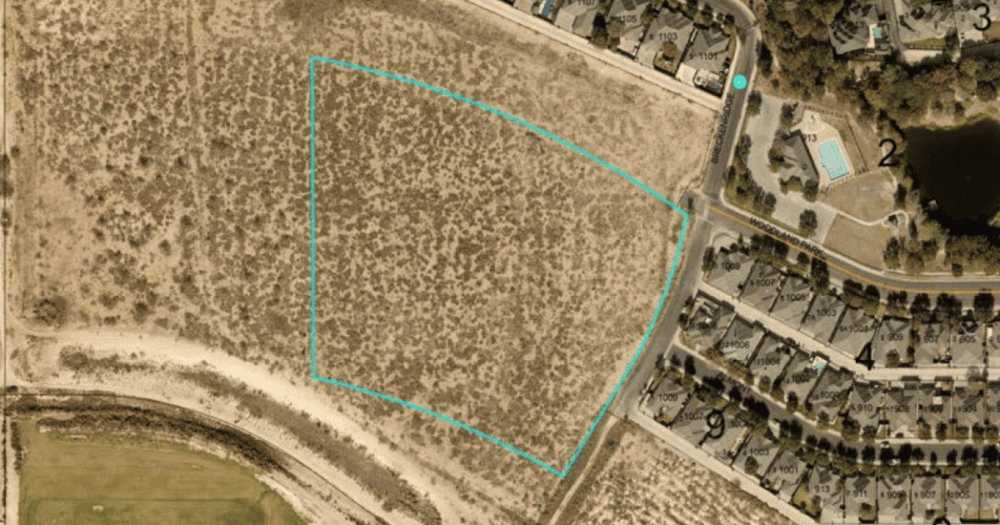
What happened: Midland’s Planning and Zoning Commission voted 4-2 on Monday, Oct. 5, to recommend rezoning about nine vacant acres near Breckenridge Drive and Woodland Park Avenue for horse grazing. Two commissioners voted against the request without explaining why, after a discussion that focused partly on hypothetical future development rather than the owners’ actual proposal.
Why it matters: The commission chairman questioned whether a horse pasture fit among surrounding residential development, saying that keeping the land zoned single-family residential, where more homes could be built, “would be the most sensible.”
“We own it,” the applicant responded, adding that they “aren’t builders” and have no plans to develop houses on the property. Without the proposed pasture, he said, the land would remain an empty field with mesquite.
The chairman also raised the possibility of a future Mockingbird Drive extension between the property and the nearby polo fields to the south, questioning how the horses would move between the two properties if the road were built. City staff clarified that the city does not currently own any right-of-way for the hypothetical extension.
The commission can recommend which uses zoning should allow, but it cannot dictate what owners actually build, require them to develop their property, or grant the city right-of-way for a future road. It can recommend which uses to permit, not force owners to pursue a particular one.
The big picture: The request received an 86% objection rate from surrounding property owners, but only two owners within the city’s 200-foot notification area formally objected. Most of that percentage came from one parcel surrounding the property owned by local developer Mark Payne.
“I can tell you if I was living next to it,” Payne said. “I’d probably rather have the horses than the school because the traffic it would create.”
Payne said that roughly 20 years ago, Midland ISD planned an elementary school on the land, but about 10 years later it became clear a school would not be built there and sold the property to a private owner.
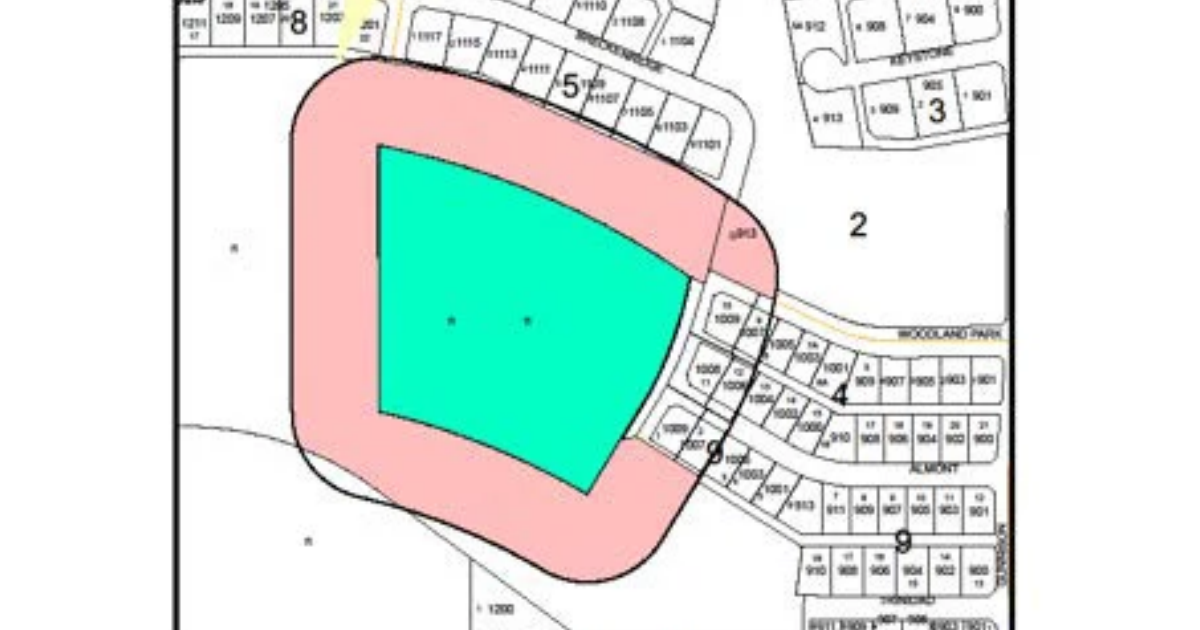
Go deeper: The applicant said the property is currently unfenced and has been used as a dumping ground. The owners have since cleaned up the trash and plan to install a fence, while grazing horses would help manage the overgrown grass.
The horses themselves would not be new to the immediate area. The applicant said they would come from the polo club a couple hundred feet south of the property, which he described as no more than a five-minute walk.
“So they’re already kind of in the neighborhood,” the commission chairman remarked, and the applicant agreed.
He said seven horses are currently turned out at the polo club and used during two eight-week polo seasons. Under the proposal, the horses would graze the property at night and return to their stalls during the day.