
Why the school board election deserves our attention
Editor’s note: This opinion piece was submitted to The Permian Press for publication. Readers interested in submitting an opinion on this or another local issue can visit our Submit a Story page.
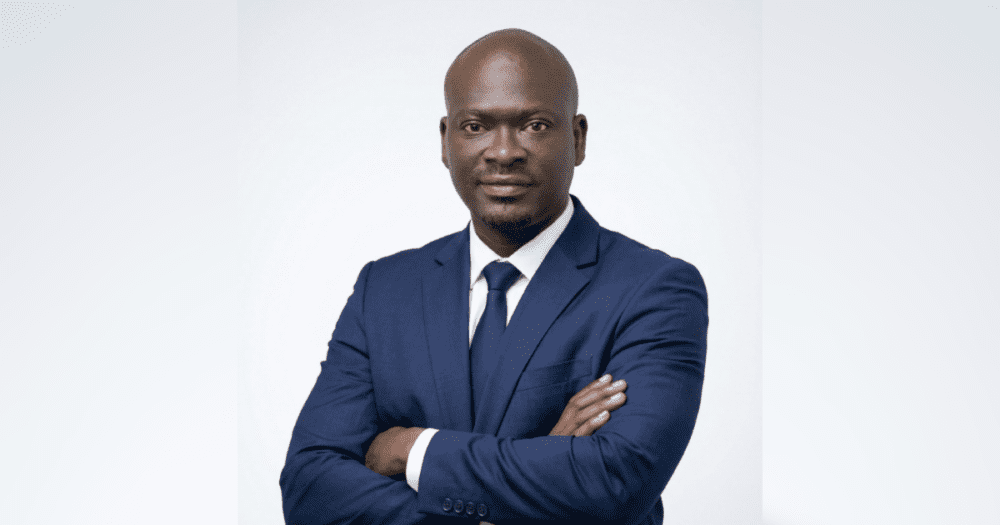
Ayodeji J. Odeyele is a father of three elementary school children and a longtime Midland resident.
We often say children are Midland’s future. But how much attention do we give the people making decisions about their education today?
As a father of three children in elementary school and a longtime Midland resident, that question is personal. I want my children, and every child in our community, to learn in classrooms where teachers are supported and students have opportunities to succeed.
On November 3, 2026, voters in parts of Midland will help shape that future through the Midland Independent School District Board of Trustees election.
School board races rarely receive the attention given to national and statewide contests. Yet their consequences reach into our classrooms, family routines, property taxes, and the preparation of our future workforce. They deserve our attention.
District 3 voters will choose between incumbent Tommy Bishop and Tim Lirley. District 5 voters will choose among La’Toya Nix Mayberry, Karl Boroski, and Nickolas Joel Jasso. Sara Burleson was unopposed in District 6; that election was canceled, and she was declared elected.
The candidates bring different priorities. At a September forum, Bishop emphasized continuity and teacher retention. Lirley stressed understandable budgets, clearer performance measures, and protecting classroom spending. Mayberry highlighted early education and parent involvement. Boroski focused on attendance, nutrition, and community mentors. Jasso emphasized reading and mathematics, measurable results, and financial oversight.
These priorities reflect interconnected needs. Children must be present, ready to learn, and supported by effective teachers. Families need understandable information, and taxpayers deserve responsible stewardship. No single campaign promise can address every challenge.
Voters should ask practical questions. What improvements in reading and mathematics should we expect, and how will progress be measured? What happens when students fall behind? What specific changes would help retain strong teachers?
How will trustees scrutinize spending while protecting classroom instruction and essential services? How will they work with families and community organizations to address barriers to attendance? And how will parents know whether a policy is working?
The district’s challenge to Texas’s school finance system adds another question: how can locally generated revenue better support local schools? That debate deserves attention alongside the everyday decisions affecting students.
Trustees govern collectively. They approve budgets, establish policies, and hire and evaluate the superintendent. Individual members cannot independently deliver every promise. Voters should look for sound judgment, a willingness to collaborate, and respect for the distinction between governance and administration.
I also want to thank every candidate who has stepped forward. Texas school board trustees serve without compensation, yet the role demands time, preparation, and public scrutiny. Whatever our voting preferences, that willingness to serve students and families deserves recognition.
Appreciation must coexist with accountability. Those elected should remain accessible, explain important decisions, and show how district policies improve educational outcomes.
Education is everyone’s business. Midland’s hospitals, energy companies, small businesses, and public institutions depend on people who can communicate, solve problems, and adapt. Many begin developing those abilities in our public schools.
Academic accountability matters, but preparation for life requires more than test scores. Students need knowledge, practical skills, encouragement, and pathways to university study, technical training, apprenticeships, military service, or employment.
My graduate studies in Clinical Rehabilitation Counseling at Texas Tech University Health Sciences Center have reinforced the importance of including students with disabilities and those facing additional barriers. Meaningful access and appropriate support must be part of our definition of school success.
Our responsibility continues after Election Day. Attend board meetings. Review budgets and academic reports. Ask thoughtful questions. Volunteer, mentor, and stay connected to school leadership. Public accountability works best when residents remain engaged between elections.
Early voting runs October 19 through October 30. Eligible voters in Districts 3 and 5 should learn about the candidates, examine their priorities, and participate.
For me, Midland’s future includes three children still in elementary school. For our community, it includes every child whose opportunities are taking shape today.
You do not have to be a parent or teacher to care. Midland’s future is not only on the ballot this November. It is sitting in our classrooms every school day.