
Blong outlines vision of steady growth, stewardship
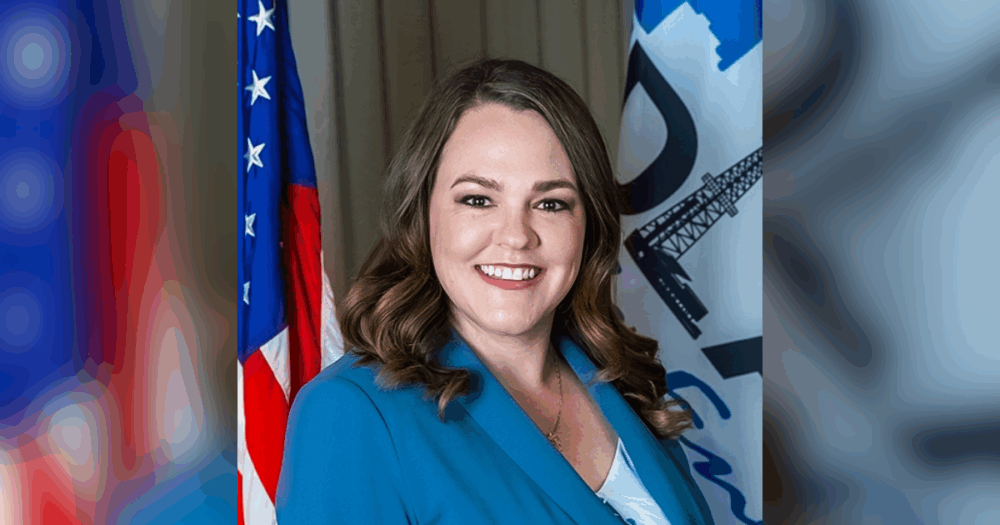
Mayor Lori Blong sat down with The Permian Press to talk about her long-term vision for Midland, how the city can sustain essential services, and what it means to invest in projects that last. The conversation touched on everything from infrastructure and water to public safety and quality of life.
Her vision for Midland, she said, begins there with “wise investments, no matter the price of oil.” The goal, in her view, is to build a city that can weather both booms and downturns without losing momentum.
“My vision is a community where families can grow and thrive,” she said. “We have to make smart, long-term decisions that create stability and opportunity, not quick wins that fade with the next downturn.”
Blong describes herself as deliberate, preferring steady progress to splashy announcements. She points to infrastructure such as roads, water, and drainage as the backbone of Midland’s future. “Our roadways are our primary infrastructure system,” she said. “They’re a multi-purpose artery for life in West Texas, not just for transportation but for water, sewer, and storm drainage as well.”
Much of that infrastructure, she notes, dates back to the 1950s and 1960s. Replacing it isn’t glamorous, but it’s essential. “Stewardship of resources means resisting shiny things that are a flash in the pan,” she said.
Despite the challenges, Blong sees reasons for optimism. Midland’s population hasn’t declined since 1986, and even during industry downturns, families continue to stay. “We’re seeing record births at Midland Memorial Hospital, and our median age is just 32,” she said. “That tells me young families are choosing to stay and invest in Midland’s future.”
Enterprise funds and financial independence
More than one-third of Midland’s city budget comes from enterprise funds such as water, sewer, sanitation, airport, and drainage. These departments are structured to operate like businesses, covering their own costs through user fees rather than property taxes. The city has worked in recent years to strengthen these funds so they do not require subsidies from the general fund.
Blong said her goal has been to keep each of those operations financially independent. “Each of those funds must stand on its own two feet,” she said. “It’s been my goal as mayor that every one of them would operate without relying on the general fund.”
Recent rate adjustments, she said, have helped the city maintain stabilization reserves and respond to emergencies without borrowing. “When the Midkiff and Golf Course pipes collapsed, we had the cash on hand to pay for it,” she said. “That’s the goal, not to rely on debt or short-term patches.”
Blong acknowledged that Midland’s user fees have long been lower than in other Texas cities. She said the city must balance affordability with sustainability so that property taxpayers are not subsidizing services that can pay for themselves.
Public safety and shared responsibility
Public safety is Midland’s largest expense, and costs have continued to rise faster than tax revenue. Part of that increase came from the city’s decision to pay down the firefighter pension liability, a move that addressed long-term debt but created short-term strain on the budget.
Editor’s note: The Midland Firemen’s Relief and Retirement Fund faced years of underfunding after the locally elected pension board declined state recommendations. To close a $121 million shortfall, the city contributed $54.4 million in oil and gas revenue that previously funded quality-of-life projects. The fund’s status has since improved, with its funded ratio rising from 43 percent to nearly 70 percent.
Blong said the challenge goes beyond pension costs. Midland provides both fire and EMS service for the entire county, which is uncommon for a city of its size. “The city is bearing the weight of something most other communities our size do not bear,” she said.
She believes the city, county, and hospital district will need to revisit cost-sharing in the future. “We’re going to have to work together as a community to figure out what’s fair,” she said. “It’s not sustainable for the city to carry that weight alone.”
Despite those challenges, Blong pointed to progress. Recent staffing increases have brought measurable results, including a 10 percent drop in violent crime after hiring 33 new officers. She said the next step is finding ways to maintain those improvements through long-term planning and collaboration.
Securing Midland’s water future
Midland’s water supply is almost entirely imported, and the city’s long-term security depends on regional partnerships and strategic investment. The city purchases most of its water through the Colorado River Municipal Water District (CRMWD) while also developing additional local sources to supplement the supply.
Blong said Midland recently renegotiated its CRMWD contract to reduce “take-or-pay” costs and better align spending with actual use, saving the city money while maintaining flexibility for future needs. The city continues to invest in system reliability through projects such as pressure monitoring, zebra mussel treatment, and wellfield rehabilitation.
She said Midland is also redeveloping the Paul Davis well field by 2030 and exploring the Fort Stockton holdings project as a long-term solution to increase supply. “We’re working diligently with the Texas Water Development Board,” she said, adding that Senate Bill 7’s $1 billion annual funding for statewide water infrastructure could be key to financing.
“We’re making sure Midland has a seat at that table,” she said. “Water security has to be proactive, not reactive.”
Quality of life and partnerships
In recent years, the city used a large portion of its oil and gas revenue fund to pay down the firefighter pension liability. The decision improved Midland’s financial position but reduced available cash for parks and recreation projects.
Blong said the move was “a necessary decision” to strengthen the city’s long-term stability. “Those funds will replenish,” she said, explaining that continued drilling on city-owned minerals will rebuild reserves. “We were able to pay back $9 million of that principal just last year.”
Future quality-of-life improvements, she said, will rely more on philanthropy and public-private partnerships. “The city’s primary role is public safety and infrastructure,” she said. “We can’t do anything outside of that that hampers our ability to do those things with excellence.”
Beal Park, she said, is a model of how private giving can elevate public spaces. The city is also working to make facilities such as Hogan Park Golf Course and the sports complex financially self-sustaining through fee adjustments, parking revenue, and a tax increment reinvestment zone. “We’ve corrected Hogan’s past subsidies,” she said, “but we’ll have to continually evaluate to keep it that way,”
Editor’s note: The Permian Press reached out to Mayor Lori Blong’s opponent, Judd Campbell, who did not respond to multiple requests for comment. Early voting is currently underway. Election Day is November 4.