
Burkes says Midland’s future depends on getting basics right
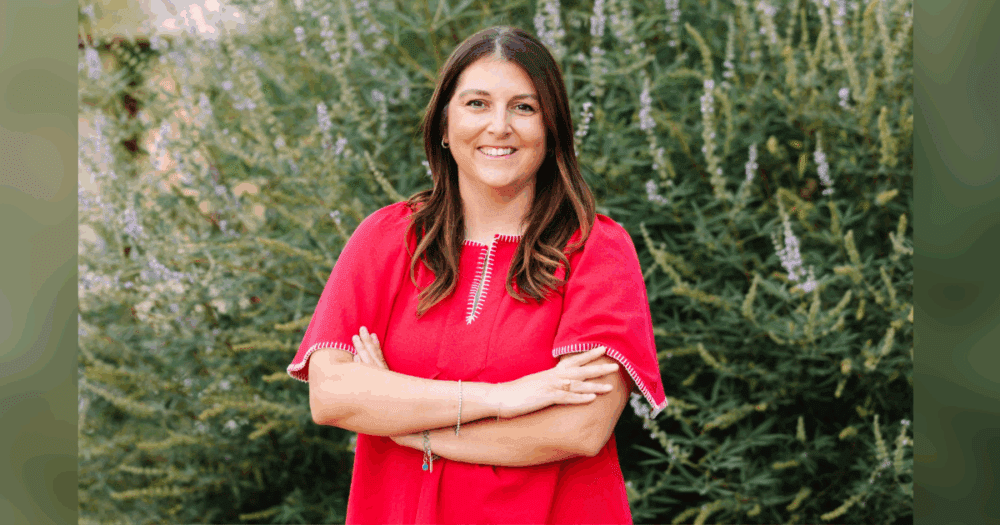
Councilwoman Amy Burkes sat down with The Permian Press to discuss Midland’s long-term direction, how to keep essential services dependable, and what responsible growth should look like.
Burkes said her vision centers on making Midland a place where families can count on safe neighborhoods, reliable services, and steady improvement year after year.
Her goal is straightforward: “Midland should be the safest, cleanest, and most dependable city in West Texas.” She measures success by the basics residents feel every day, such as steady crime reduction, faster emergency response, reliable water, and smoother streets. “Things should get better every year through maintenance and steady progress,” she said.
Balancing responsible growth and quality of life is part of that approach. Burkes pointed to the city’s program targeting unsafe or abandoned homes, which works with property owners first, then moves to demolition when needed. “Beautifying the city isn’t just about appearance,” she said. “It’s about safety and pride.”
Enterprise funds and financial independence
Burkes said financial discipline within enterprise funds, including water, sewer, drainage, sanitation, and the airport, has been a focus. “If you use it, you should pay for it,” she said, calling user fees the fairest way to keep services sustainable without leaning on the general fund.
She favors smaller, predictable rate steps over large spikes. “I prefer steady, reasonable changes so residents know what’s coming,” she said. The goal is to replace aging pipes, vehicles, and valves before they fail, avoiding emergency costs. Burkes said most enterprise operations are now at or near self-sustaining, and any increases have been tied to clear operating needs rather than wish lists.
She credited frontline employees with shaping practical decisions on routing, equipment cycles, and maintenance. “They live it daily,” she said. “Listening to staff helps us save time and money.”
Public safety and shared responsibility
Public safety remains Midland’s largest expense, totaling $95.4 million across police, fire, and EMS, while property tax revenue brings in about $64 million. Burkes said that the gap shows how lean the city operates and why planning matters. “When you pick up the phone, you want them to be there,” she said. “We cannot hollow out our first responders.”
She said the city has worked to stabilize staffing and ensure essential gear, including replacing expired bulletproof vests after years without a replacement schedule. Partnerships with local foundations and businesses have helped close gaps for equipment and training, she said, allowing the city to stay lean without compromising readiness.
Because roughly one-fifth of fire department calls occur outside city limits, Burkes believes future talks should address cost-sharing with the county through interlocal agreements. She also supports shifting appropriate administrative tasks from sworn officers to civilian roles to free up more personnel for patrol and emergency response. “It’s about being efficient and putting people where they’re needed most,” she said.
Securing Midland’s water future
Burkes called water security one of the city’s most important long-term responsibilities. She praised the recent renegotiation of the Colorado River Municipal Water District (CRMWD) contract, which is projected to save Midland more than $100 million over 30 years. “That negotiation was huge,” she said. “It provides real savings and long-term security for Midland.”
About 70 percent of Midland’s water comes from CRMWD, and roughly 30 percent from the T-Bar well field in Winkler and Ward counties. Burkes said the city is modernizing that system with valve replacements, pressure monitoring, and proactive maintenance.
She also pointed to the Paul Davis well field north of Midland, which the city is working to bring back online with reverse-osmosis technology. “I think we’re in good shape for the foreseeable future,” she said. “But without water, we don’t survive, so we have to stay vigilant.”
Quality of life and responsible growth
Burkes said Midland’s quality-of-life progress will rely more on partnerships than one-time windfalls. She cited philanthropic support for the Beal Park renovation and other projects as examples of how public and private investment can work together.
She also pointed to community-led efforts like Zoo Midland and the Midland Athletic Syndicate that add amenities without drawing on the general fund. “That’s what makes Midland special,” she said. “People see a need and take it on.”
For larger assets, the city is aiming for self-sufficiency where possible. Fees at Hogan Park Golf Course were raised to keep operations solvent, and a tax increment reinvestment zone around the Scarborough Sports Complex allows future property value growth in the area to fund improvements and maintenance. “These facilities are great for the community,” she said. “We just have to be smart about how we pay for them.”
Looking ahead, Burkes said her focus remains on dependable basics and collaboration across the city, county, and private partners. “Midland’s success comes from working together,” she said. “If we get the basics right—safety, water, infrastructure—the rest will follow.”
Editor’s note: Councilwoman Amy Burkes is running unopposed for re-election to the District 4 seat on the Midland City Council. Early voting is currently underway. Election Day is November 4.