
Get Master Gardener help diagnosing a struggling tree
Sara Moran is a Horticulture Extension Agent for Ector and Midland Counties. Below, she provides readers with practical tips and resources to help their gardens and gardening efforts flourish in Midland.
What to know: I receive questions quite often that pertain to improving the health of or diagnosing tree issues. These inquiries are usually accompanied by a few pictures and little information. Therefore, most of the time, my response includes more questions than answers. Many factors can affect a tree’s health, including nutrient deficiencies, root damage, weather extremes, physical injury, and more.
Sometimes, there is evidence as to what the cause of damage to the tree is. Insect problems can present as holes in the trunk or chewing on the leaves. A disease causes discoloration patterns, oozing, or fungal spores. The issue could be as simple as human error, compaction from heavy equipment, planting too deep, or an irregular watering schedule.
The big picture: Providing as much information as possible is crucial. A diagnosis is as good as the information provided.
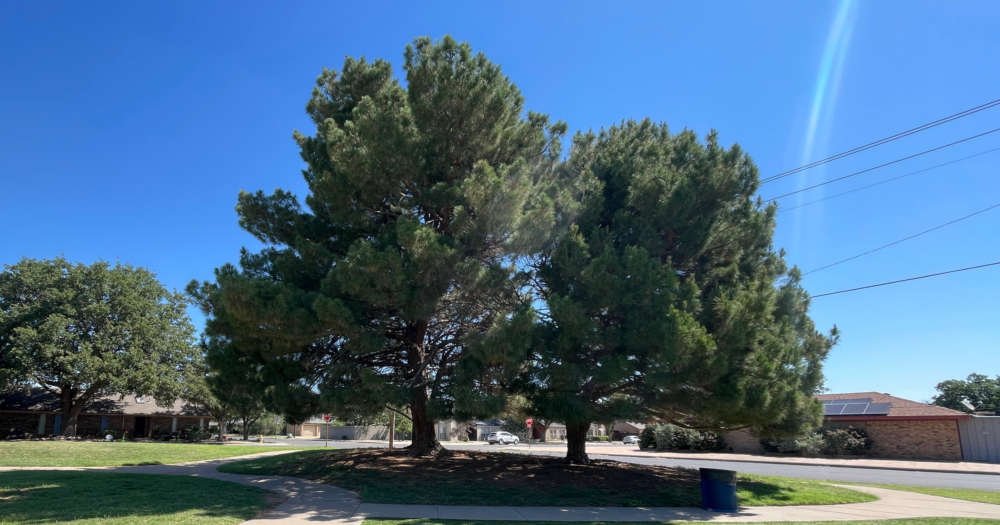
- Pictures of the entire tree, the affected areas, and the trunk are helpful.
- Tree identification is important. Knowing the type of tree helps us understand its normal habits and conditions.
- How long have the symptoms been present? Are they spreading or localized?
It is also beneficial for us to know everything about the tree’s care.
- When was the tree planted? Were any protective materials removed (girdling, burlap, chicken wire, etc.)?
- How often and how do you water the tree? By hand, sprinkler system, something else.
- Is it growing in your lawn, or does it have mulch at the base, or rocks?
- Include information about any chemical applications like fertilizer, insecticide, etc.
With these simple facts, we can much more easily help find the underlying root of your tree problem.
Go deeper: The key to keeping healthy trees is knowing their maintenance needs and staying ahead of the problems.
- Monitor your trees. Walk your yard and look for signs of distress, such as areas of discoloration, wilting or discolored leaves, or signs of fungal growth. Another good idea is to take pictures of your tree routinely through the seasons to help you recognize what normal changes are and what are not.
- Perform routine maintenance by pruning your trees properly and using mulch. Be very careful using a lawn mower or a weed eater around the base of the tree. Same as humans, wounds are an entryway for issues.
- Water your trees, and water them properly! We live in an arid land, and the trees we commonly grow are very thirsty. Water deeply, the top 6 to 9 inches, and early in the day before the heat sets in.
What’s next: If you have questions or want to submit a tree inquiry, call the AgriLife office in Midland at 432-686-4700. Additional information is available at westtexasgardening.org.