
How to properly harvest and store vegetables in Midland
Editor’s note: Joseph Masabni is a Permian Basin Master Gardener.
What to watch: As the harvest season approaches in the next month or so, Permian Basin Master Gardeners want to give you the tips and tricks for the common and abundant vegetables you’ll likely have in your garden.
The big picture: To help ensure the vegetables you grow are high quality, you need to harvest them at peak maturity, handle them properly, and store them under optimal conditions. Vegetables continue their life processes even after they are picked. So, to help you navigate this change in environment, we are providing you with a guide for many vegetables, specific to their needs, so you don’t have to guess what to ignore and what to implement.
- Broccoli: Harvest broccoli when the flower heads are fully developed but before the individual flower buds open enough to show the bright yellow flowers. Cut them off at 6 to 7 inches below the flower heads. The small, tender leaves are edible and nutritious. Store harvested broccoli in the cold drawer of the refrigerator.
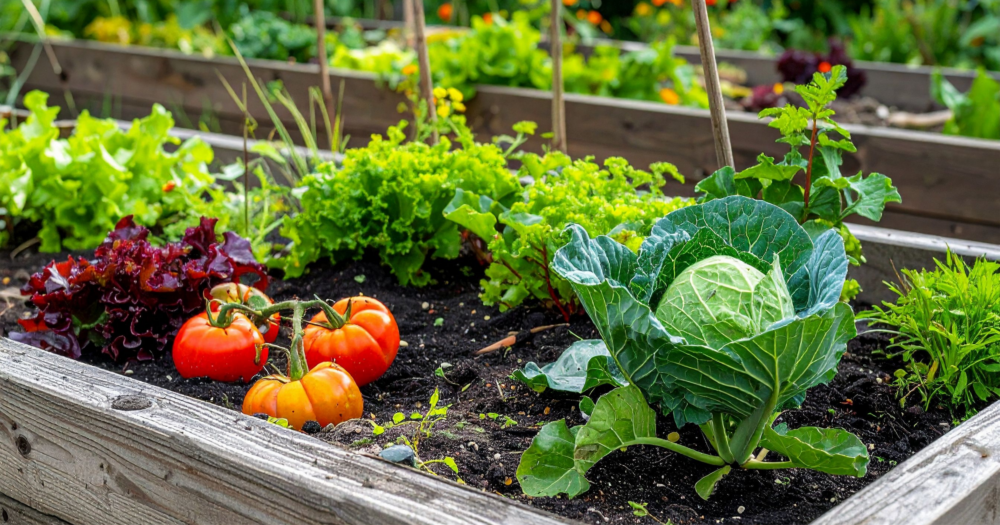
- Cabbage: Harvest cabbage when the head becomes solid and firm. The outer leaves should be a uniform green or purple. To prevent mature heads from splitting, twist the plants enough to break several roots. Store harvested cabbage in the refrigerator crisper and use within 1 to 2 weeks.
- Carrots: Ready to be harvested when they are small and succulent. Do not let them get over about 1 inch in diameter. Always pull the largest carrots in the row. Remove the tops and wash the carrots before refrigerating them.
- Garlic: Harvest when the leaves lose color, and the tops begin to fall over. Store it in a cool, dry place.
- Green beans: Harvest beans before they are fully mature, when the pods are almost full size but before the seeds begin to bulge. They should be free from scars and strings when snapped. Keep green beans cold and in a humid environment, and use as soon as possible. Wash the beans before storage to help retain their moisture content.
- Greens: Successful greens for the Permian Basin include collards, dandelions, kale, mustard greens, Swiss chard, and turnip greens. Break off the outer leaves when they are 6 to 10 inches long and before they start to yellow. Avoid wilted or flabby leaves. Wash and chill the harvested leaves immediately.
- Lettuce: Harvest leaf varieties of lettuce when the outer, older leaves are 4 to 6 inches long; harvest heading varieties when the heads are moderately firm. New leaves provide a continuous harvest of tender, tasty lettuce until hot weather brings on bitter flavor and seed stalks begin to form. Wash the lettuce and store in the refrigerator.
- Cantaloupe: Harvest when melon is three-quarters ripe, when the stem separates readily from the fruit under moderate pressure and leaves a circular depression. The outer rind should not be green.
- Watermelon: Harvest watermelon when the fruit is full size and has a dull surface and a cream-colored ground spot. If the melons are fully ripe, store them in the refrigerator. If not, store them in a cool area.
- Okra: For optimum quality, harvest okra that is 3 to 4 inches long. Harvest the pods before they reach the hollow, puffy stage, when they are easy to break or cut from the stalk. For continued harvest, pick okra every day or two. Chill the harvested okra immediately.
- Onions: Pull all onions when the tops fall over and remove any adhering dirt. Do not harvest onions when the soil is wet. Let the harvested onions dry for a day or two with the tops on; then clip 1 inch above the bulb before storing them in a cool, dry place.
- Peppers: Harvest jalapeños when they are 2 to 2½ inches long. Mature peppers turn orange or red; this does not mean that they are hotter. Store harvested peppers at 45 to 50 degrees F.
- Potatoes: Harvest “new” potatoes at any size, but generally do not dig before they are 1¼ to 1½ inches in diameter. Let the potatoes dry several hours in the garden after digging them, and do not expose them to sunlight. Remove any adhering soil, but do not wash the potatoes before storing them. Store in a cool, dry area.
- Squash: Harvest squash when it is 4 to 6 inches long for yellow crookneck, or 6 to 8 inches long for yellow straightneck. A glossy color indicates tenderness. Susceptible to chilling injury, so don’t store them at cold temperatures for more than 2 to 3 days.
- Sweet potatoes: Harvest sweet potatoes late in the fall but before the first early frost. Lift the sweet potatoes to avoid cuts, bruises, and broken roots. Remove the adhering soil but do not wash the potatoes. Cure them for at least 14 days in a warm, well-ventilated location. Store in a cool, dry place.
- Tomatoes: Harvest tomatoes when they are fully colored but still firm. Harvest red tomatoes for eating fresh, cooking, or canning. If necessary, pick mature green or slightly pink tomatoes and ripen them at room temperature, out of direct sunlight. Store ripe tomatoes in the refrigerator.
Go deeper: Three key factors for protecting the quality of your produce after harvest are to control temperature, moisture, and ventilation.
- Temperature: For some produce, the conversion of sugar to starch is critical to interrupt at harvest. To minimize this conversion, the produce must be cooled immediately. If possible, harvest these vegetables early in the morning or right before you intend to use them.
- Moisture: The proper humidity level for storage varies by commodity. Leafy-type vegetables require a high humidity of about 95%. In contrast, onions can be stored in drier conditions, such as 65 to 70% relative humidity.
- Ventilation: Minimize wilting and tissue breakdown by ensuring that air can circulate properly.
What’s next: Have a vegetable growing that wasn’t mentioned here? Read the full article and see if our extended list can help. Be sure to watch the Permian Basin Master Gardeners website so you don’t miss any upcoming gardening classes and events.