
Is your turkey ready for Thanksgiving? Here’s everything you need to know
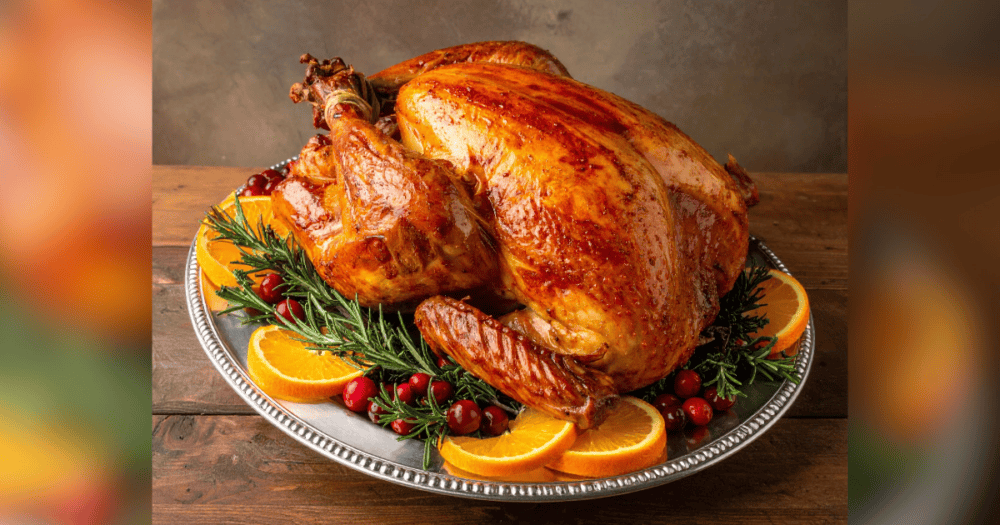
What to know: Thanksgiving is Thursday, Nov. 26, and preparing the turkey starts well before the holiday. Whether you’re cooking for a small family or hosting a houseful of guests in Midland, choosing the right size turkey, allowing enough time to thaw it and knowing when it’s fully cooked can make Thanksgiving Day much easier.
The U.S. Department of Agriculture (USDA) recommends thawing frozen turkeys in the refrigerator or cold water, never on the kitchen counter. A frozen turkey can take nearly a week to thaw, depending on its size.
Here’s how to plan from grocery shopping to carving.
How much turkey should you buy?
Plan for 1 to 1½ pounds of whole turkey per person, including the weight of bones and skin. Choose the higher amount if you want generous portions or leftovers.
| Number of people | Turkey size |
|---|---|
| 4–6 | 6–9 pounds |
| 8 | 8–12 pounds |
| 10 | 10–15 pounds |
| 12 | 12–18 pounds |
| 15 | 15–22 pounds |
| 20 | 20–30 pounds total |
For larger gatherings, consider cooking two smaller turkeys instead of one oversized bird. Smaller turkeys can be easier to handle, thaw and roast.
If you’re serving several other main dishes or have young children, you may need less turkey per person.
When should you thaw your turkey?
Refrigerator thawing is the recommended method. Allow approximately 24 hours for every 4–5 pounds of turkey.
Keep the turkey in its original packaging, place it in a pan to catch any juices and store it on the bottom shelf of a refrigerator set at 40°F or below.
| Turkey weight | Refrigerator thawing time |
|---|---|
| 4–12 pounds | 1–3 days |
| 12–16 pounds | 3–4 days |
| 16–20 pounds | 4–5 days |
| 20–24 pounds | 5–6 days |
For Thanksgiving Day on Nov. 26, a 16–20-pound turkey should go into the refrigerator by Saturday, Nov. 21, while a 20–24-pound turkey should begin thawing by Friday, Nov. 20.
A turkey thawed in the refrigerator can safely remain there for another one to two days before cooking.
Source: FoodSafety.gov turkey thawing chart.
What if your turkey is still frozen?
If you didn’t start thawing early enough, the cold-water method is a safe alternative.
Keep the turkey in leakproof packaging and completely submerge it in cold tap water. Change the water every 30 minutes to keep it cold.
Allow approximately 30 minutes per pound.
| Turkey weight | Cold-water thawing time |
|---|---|
| 10 pounds | 5 hours |
| 12 pounds | 6 hours |
| 16 pounds | 8 hours |
| 20 pounds | 10 hours |
| 24 pounds | 12 hours |
A turkey thawed in cold water must be cooked immediately after thawing.
Never leave a frozen turkey on the counter overnight or thaw it in warm water. The outside can reach temperatures where bacteria multiply even while the center remains frozen.
How to prepare your turkey before cooking
Once the turkey is thawed, follow these steps:
- Remove the packaging. Take out the neck and giblet packets from the body and neck cavities. These can be saved for gravy or stock.
- Do not rinse the turkey. Washing raw poultry can spread bacteria onto countertops, sinks and nearby food.
- Pat the skin dry. Use paper towels to remove excess moisture. Dry skin helps produce a crispier finish.
- Season the turkey. Rub the skin with butter or oil, then season with salt, pepper and herbs such as rosemary, thyme or sage. Season the cavity as well.
- Add aromatics if desired. Onion, lemon, garlic and fresh herbs can be placed loosely inside the cavity for flavor. Do not tightly pack the bird.
- Prepare the roasting pan. Place the turkey breast-side up on a rack in a roasting pan. Tuck the wing tips underneath to help prevent burning.
- Wash your hands and sanitize surfaces. Clean anything that came into contact with raw poultry or its juices.
What about stuffing? Cooking stuffing separately is the safer option. If you choose to stuff the turkey, the center of the stuffing must also reach 165°F.
How long does a turkey take to cook?
For a traditional oven-roasted, unstuffed turkey, USDA guidance calls for an oven temperature of at least 325°F.
Approximate roasting times at 325°F:
| Turkey weight | Cooking time |
|---|---|
| 8–12 pounds | 2 hours, 45 minutes–3 hours |
| 12–14 pounds | 3–3¾ hours |
| 14–18 pounds | 3¾–4¼ hours |
| 18–20 pounds | 4¼–4½ hours |
| 20–24 pounds | 4½–5 hours |
These are estimates, not guarantees. Actual cooking times depend on the turkey, oven and whether the bird is stuffed.
The most important rule: A turkey is safe to eat when a food thermometer reads 165°F in the thickest part of the breast, the innermost part of the thigh and the innermost part of the wing, without touching bone.
If the skin browns too quickly, loosely cover the turkey with aluminum foil while it finishes cooking.
Source: FoodSafety.gov roasting chart.
Should you brine your turkey?
Brining is optional, but it can improve flavor and help the meat retain moisture.
- Dry brine: Season the turkey with salt and refrigerate it, uncovered, for approximately 12–24 hours before cooking. This can also help dry the skin for better browning.
- Wet brine: Submerge the turkey in a saltwater solution, keeping it at 40°F or below throughout the process.
Check the turkey’s packaging first. Some turkeys are already injected with a salt solution or labeled self-basting. Adding a full brine to these birds can make them excessively salty.
When should you take the turkey out of the oven?
Once the turkey reaches 165°F in all required locations, remove it from the oven. Let it rest for approximately 20–30 minutes before carving. Resting allows the juices to redistribute and gives you time to finish the side dishes.
To carve, remove the legs and thighs first, then the wings. Slice the breast meat across the grain and arrange everything on a serving platter.
What about leftovers?
Refrigerate turkey and other perishable foods within two hours of cooking or serving. Remove the meat from the bones and divide large portions into shallow containers so they cool quickly.
Cooked turkey will generally keep for three to four days in the refrigerator or can be frozen for longer storage. Reheat leftovers to 165°F.
The bottom line
The key to a successful Thanksgiving turkey is planning ahead. Buy enough for your guests, give the bird several days to thaw safely and use a meat thermometer rather than relying on cooking time alone.
With the turkey prepared ahead of time, Thanksgiving Day can be spent enjoying the meal and the people gathered around the table instead of worrying about whether the main dish will be ready.