
Ladd wants growth that keeps Midland grounded
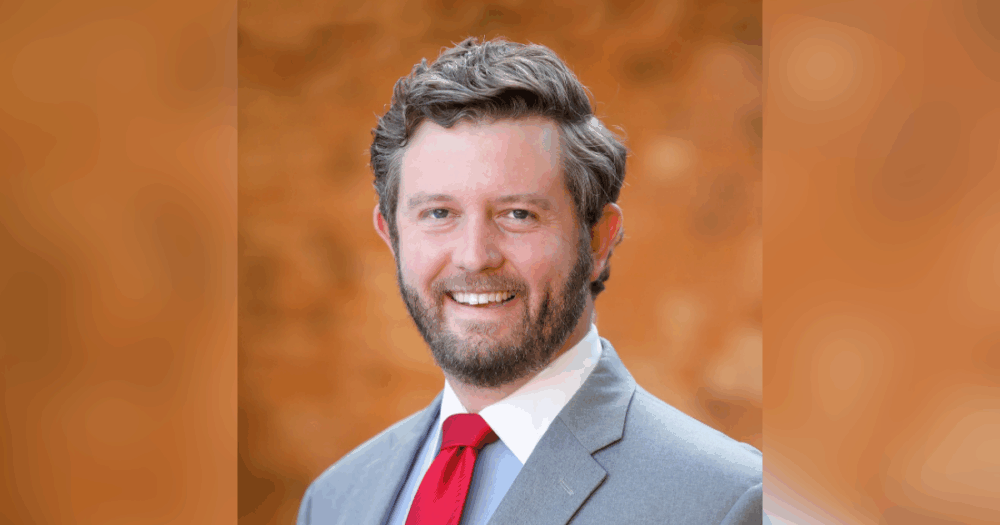
Councilman Jack Ladd sat down with The Permian Press to discuss his long-term vision for Midland, how the city can sustain essential services, and what responsible growth should look like. The conversation focused on planning ahead, protecting taxpayers, and maintaining the small-town spirit that defines Midland’s character.
“My vision for Midland focuses on keeping the next generation here,” he said. “We need to make this a community where families want to live, work, and raise their kids.”
Ladd said success means creating a city that continues to attract businesses and people. “When companies invest in Midland, they bring jobs, amenities, and growth that benefit everyone,” he said. He believes the city must continue investing in infrastructure, livability, and long-term planning so families are encouraged to stay rather than move to larger cities.
His approach follows a “build it and they will come” philosophy. “The goal is to strengthen Midland without losing what makes it feel like home,” he said.
Enterprise funds and financial independence
More than one-third of Midland’s budget comes from enterprise funds such as water, sewer, sanitation, airport, and drainage. These departments run on user fees rather than tax dollars, meaning they are expected to sustain themselves through what residents pay for the services they use.
Ladd said that structure is important to maintain. “Those funds should stand on their own,” he said. “The users who benefit should cover the costs.” He cited the airport, which the city had subsidized by about $7 million a year. “We worked to change that,” he said. “Now the airport is self-sustaining, and that’s how every enterprise fund should operate.”
Asked about raising rates to fund infrastructure, Ladd said there is support when needs are clear. “There’s an appetite to raise rates when it’s justified,” he said. “Every decision needs to be tied to a real operational need.”
Public safety and long-term stability
Police, fire, and EMS together make up $95.4 million of the city’s budget. He said the city is finding creative ways to manage costs while maintaining strong service levels. When asked whether the city monitors whether spending increases produce proportional benefits, Ladd said that it is a key focus. “We’re getting closer to that balance,” he said.
Local businesses and foundations have stepped up to help fund equipment such as bulletproof vests, reducing the burden on the city budget. The city has also expanded its data-driven safety initiatives, using information from the Vision Zero program to install speed alert signs and narrow residential streets to discourage speeding in areas without enough traffic officers.
“We had to make a major push to fill police vacancies,” he said. “We went from about 40 open positions to nearly full staffing. Midland’s strong community support for law enforcement has helped us recruit and retain officers.”
Securing Midland’s water future
A reliable water supply is one of Midland’s most critical long-term responsibilities, Ladd said. He pointed to the recent renegotiation of the Colorado River Municipal Water District contract, which gives Midland more flexibility and control over its allocation.
He also noted an agreement with Abilene and San Angelo that will take effect once Midland can access the Fort Stockton reserve. Under the arrangement, those cities may purchase Midland’s unused portion of Lake Ivie water, helping offset costs.
Looking ahead, Ladd called the Fort Stockton pipeline a long-term but vital project. Estimated at $500 to $550 million, it would transport water from Pecos County to the city’s T-Bar site. “That’s a major investment,” he said, “but securing water is critical for Midland’s growth.”
Funding has not been finalized as the city awaits guidance on the Texas Water Fund created by Senate Bill 7, which dedicates $1 billion annually for 20 years to statewide water infrastructure. “We want to be ready when those dollars become available,” he said.
Quality of life and responsible growth
Ladd said parks and recreation remain priorities, but amenities must be financially sustainable. Much of the oil and gas revenue fund was used to pay down the firefighter pension liability, leaving fewer flexible dollars for new projects. “We’ll continue to offer great services, but we have to do it responsibly,” he said. “That means more partnerships and making sure facilities that can be self-sustaining stay that way.”
Editor’s note: The Midland Firemen’s Relief and Retirement Fund faced years of underfunding after the locally elected pension board declined state recommendations. To close a $121 million shortfall, the city contributed $54.4 million in oil and gas revenue that previously funded quality-of-life projects. The fund’s status has since improved, with its funded ratio rising from 43 percent to nearly 70 percent.
Ladd pointed to public-private partnerships, such as those that supported the Beal Park renovation, as a model for future projects. “When the community invests alongside the city, everyone has ownership in the outcome,” he said.
The city is taking similar approaches with the sports complex and golf course. “We created a TIRZ around the sports complex so property value growth funds future improvements,” he said. “At the golf course, fees will increase so it pays for itself instead of being subsidized by taxpayers.”
Editor’s note: The Permian Press reached out to Jack Ladd’s opponents, Shandi Williams and Cheston Blank. Both responded to the request but had not provided comments at the time of publication. Early voting is currently underway. Election Day is November 4.