
Council set to review sex offender ordinance again
What to watch: The Midland City Council will meet Tuesday, Feb. 10, to consider renewing license plate reader cameras used by police, applying for multiple cybersecurity grants, and reviewing updates tied to the city’s new sex offender ordinance.
Key points:
- License plate cameras: Council will consider renewing subscriptions for 73 Flock Safety license plate recognition cameras for 24 months at about $225,500 per year. Funding would come from the city’s technology fund. These cameras are used by law enforcement to help identify stolen vehicles, vehicles tied to crimes, and vehicles connected to active investigations.
- Cybersecurity grant: Council will consider applying for multiple state cybersecurity grants that would help the city prepare for cyberattacks, test response plans, monitor threats, and train staff.
If awarded, funding could help the city identify critical services that must stay online during emergencies, practice responding to simulated cyberattacks, install tools that detect suspicious network activity in real time, and continue cybersecurity workforce training programs. The city would use existing technology funds to cover the required grant-matching costs.
Midland’s top stories. One quick email. Every Friday.
Get Midland Wrapped, our free weekly email for busy Midland residents. Each Friday, we break down the week’s most important local stories — what happened, why it matters, and what to watch next — so you can stay informed without the noise.
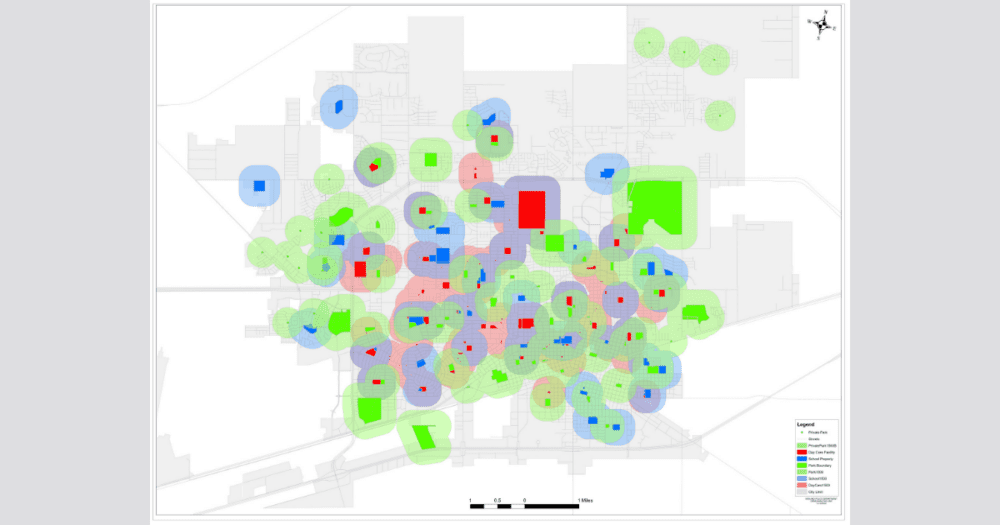
- Sex offender ordinance: Council will consider the second reading for a new sex offender ordinance to create a 1,500-foot buffer restricting where registered sex offenders can live or enter near places where children commonly gather.
Police leadership previously said the ordinance applies to about 253 registered sex offenders, or less than 0.2% of Midland’s population. During earlier discussions, city officials and members of the legal community raised questions about how parts of the ordinance would be enforced in court. The update is expected to address implementation and enforcement clarity.