
High school construction adds $18M in extra taxpayer costs
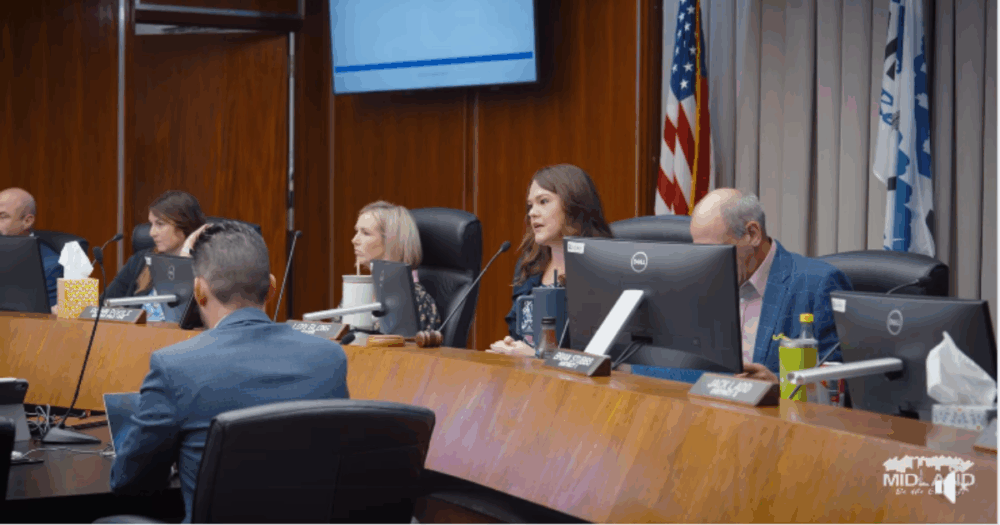
What happened: The Midland City Council met Aug. 26, approving an $18.2 million commitment for road, water, and sewer projects around the two new MISD high schools, which the district did not include in its $1.4 billion bond package. The meeting also covered the return of the Special Olympics fall games and airport improvements supported by user fees and federal grants.
Why it matters: The city’s $18.2 million commitment highlights costs left out of MISD’s $1.4 billion bond. Whether paid by the school district or the city is irrelevant. Taxpayers will cover millions more than the bond promised.
Key points:
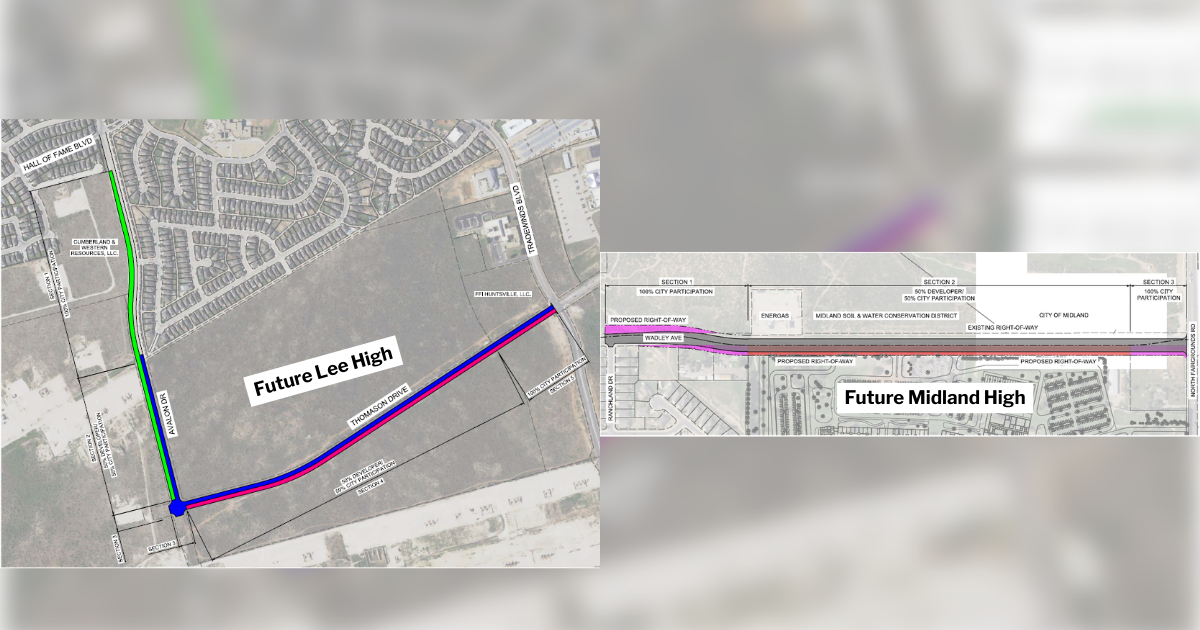
- MISD school roads: Council approved, in two 4-3 votes, $18.2 million over three years for infrastructure around the two new MISD high schools. MISD will contribute $9.4 million, bringing the total project cost to $27.5 million.
Assistant City Manager Jose Ortiz said extending Avalon and Thomason Drives and expanding Wadley Avenue has been in Midland’s 10-year plan since 2019. MISD, as a developer, must build roads along its property line, but only at two lanes, which would result in dead ends and roads too narrow to handle the expected traffic.
No council member disputed that the district should have included the total cost in the bond package. “I can’t support $18 million of city funds for school bond infrastructure projects that should have been included in a $1.4 billion bond,” Councilwoman Robin Poole said.
Mayor Lori Blong said staff had asked MISD directly to cover road costs with bond dollars, but the district refused. She called the outcome frustrating and said it followed months of negotiation. Discussion from city staff involved directly in negotiations implied this was likely the best agreement the city and district could reach.
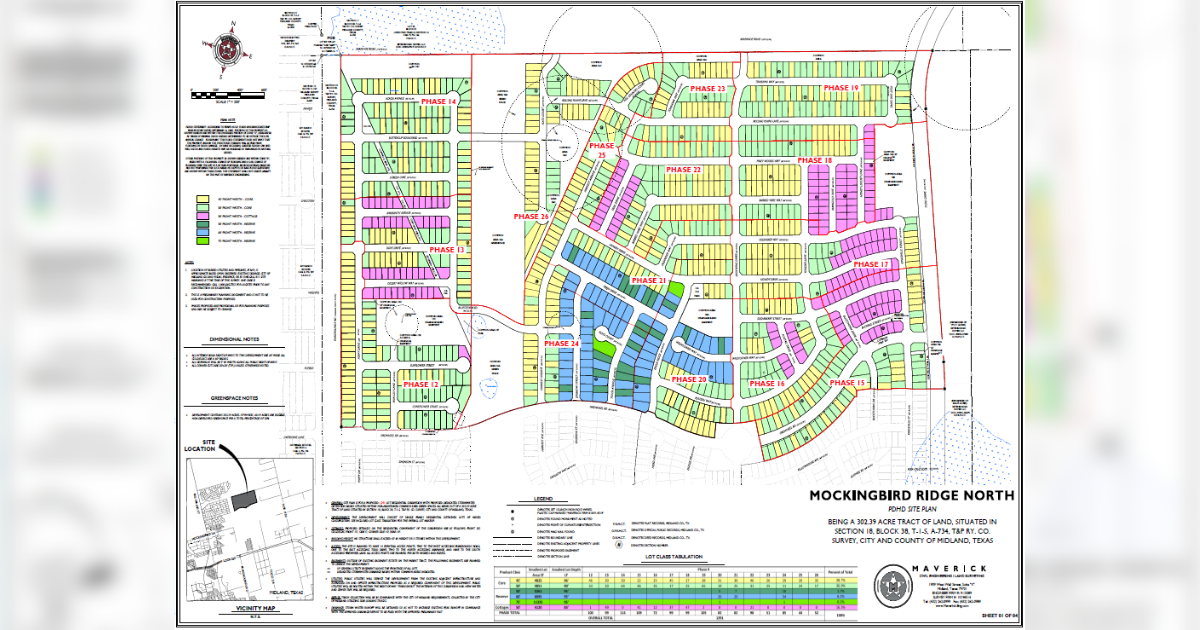
- Mockingbird Ridge: Council voted 6–1 to amend zoning for the Mockingbird Ridge North subdivision at Fairgrounds Road and Firewheel Road. The change replaces the previously approved smaller-sized lots with 104 larger ones, reducing overall density by 31 homes.
Councilwoman Amy Burkes said she would no longer support variances allowing smaller lots, insisting on minimums set in city code. Blong countered that denying the amendment would keep the smaller lots in place.
Councilman John Burkholder added that “planned development” neighborhoods are becoming congested and unsafe and urged council not to approve them in the future. Still, he acknowledged that rejecting the amendment would leave the neighborhood even more crowded than the current proposal.
- Special Olympics: Council celebrated the return of the Special Olympics Texas Fall Classic, set for Oct. 2–4. The 2024 event drew 1,490 participants, filled 1,224 hotel room nights, and generated an estimated $828,525 in economic impact. The city contributes $250,000 annually under a three-year partnership with Odessa and Special Olympics Texas.
Chad Eason, Senior Director of Competitions and Games, said, “[The teams] were blown away at the support they received from the West Texas [and] Midland communities.”
- Airport lighting: Council approved a $129,065 contract for permanent decorative lighting at Midland International Air and Space Port, funded by airline boarding fees rather than local tax dollars.
Poole said the money came from leftover revenue that the city would otherwise return to the airlines. She explained that staff had already addressed 17 to 20 airport priorities, and this project was a small way to improve lighting while also boosting safety for travelers walking to and from parking lots at night.
- Airport grants: Council approved two Federal Aviation Administration (FAA) grants totaling $18 million to modernize the terminal, including a six-lane TSA checkpoint. The project aims to eliminate bottlenecks at the existing single checkpoint. Lines often back up onto escalators during peak travel times.