
Council reviews $505M proposed budget, sets maximum tax rate
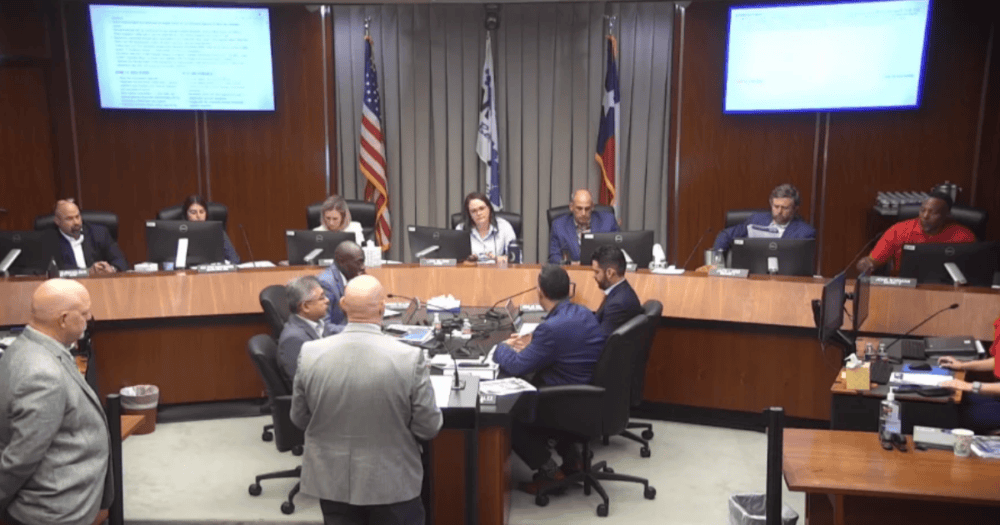
What happened: On Wednesday, Aug. 12, Midland City Council reviewed the city’s proposed $505 million 2026-27 budget, about 9.5% larger than the current $460.9 million budget, and voted unanimously to cap the accompanying property tax rate at the state-calculated “no-new-revenue” rate. That means council can adopt a lower rate in September, but cannot go higher.
As previously reported, despite the name, the proposed rate is about 10% higher than the city’s current rate because the taxable value of existing property in Midland fell by about $1.5 billion. City Manager Tommy Gonzales said the rate would collect $65.2 million from property already on the tax roll, the same amount as last year, plus another $2.4 million from new construction, for $67.6 million in total property tax revenue.
Why it matters: Midland’s population grew about 2.7% from 2024 to 2025, while inflation was about 3.4%. Together, population growth and inflation amount to about 6.1%, compared with a roughly 9.5% increase in the city’s proposed $505 million budget over the current $460.9 million budget.
Gov. Greg Abbott has proposed that the 90th Legislature limit local government spending growth to the lesser of population growth plus inflation or 3.5%. However, it is unclear whether Abbott’s proposed limits would include enterprise funds (water, sewer, trash, airport, and drainage) that are paid through user fees and account for about 36% of the total budget, or one-time capital costs, which the proposed budget includes at $46 million.
Key points:
- Emergency response: Midland Police Chief Greg Snow said the department has filled 189 of its 198 budgeted sworn officer positions. Mayor Lori Blong reminded council that MPD may hire qualified officers beyond its budgeted staffing level when candidates are available.
Snow reported that MPD made 1,523 felony arrests and 3,895 misdemeanor arrests in 2025. Staff also reported that crashes involving an officer response fell by about 6% from 2022 through the last fiscal year, while fatal crashes fell by about 52%, as Midland’s population grew by about 9% during that period. Snow said MPD, like many departments nationwide, generally no longer responds to minor crashes without injuries.
Managing Director of Public Safety Chuck Blumenauer reported that Midland Fire Department maintains an ISO Class 1 rating, the highest fire-protection classification, which the city estimates could save Midland property owners more than $5 million annually in insurance costs. The city expects its new EMS billing arrangement to generate roughly $2 million more annually than the previous arrangement.
City staff said roughly 20% of fire and EMS responses occur outside city limits and that the city is working with Midland County to create an Emergency Services District. This separate taxing district could collect taxes from county residents to pay for emergency response outside the city.
- Water: City staff said satellite leak detection identified and repaired 20 leaks this year, while water-main breaks have fallen from 97 to 68 over two years. The city has installed 95% of the planned pressure sensors and said the technology recently pinpointed a water main break at the airport within 30 minutes, avoiding a boil-water notice.
Staff also highlighted efforts to bring work in-house to lower costs, including city employees replacing 75 fire hydrants, resulting in an estimated $630,000 in savings. The first phase of new water and sewer infrastructure in northeast Midland is also complete, bringing city utilities to an area that had gone more than 50 years without them.
- Airport: Midland International Air and Space Port is undergoing a $50 million terminal modernization and TSA checkpoint expansion, with $29.1 million in federal grants secured to offset local costs. Other work includes airfield drainage and entrance improvements.
- Roads: City staff reported that city employees fill more than 26,000 potholes a year, and said the city wants to move toward permanently repairing roads that repeatedly require patches. Staff again highlighted efforts to bring work in-house to lower costs, including the purchase of a $1 million road-striping vehicle that reportedly reduced striping costs by about 60%.
- Parks: City staff said the city now maintains 50 parks covering 1,406 acres and 189 athletic fields, including 28 synthetic-turf fields. The city has also added 17 playgrounds in recent years, with every neighborhood park now having one.
Staff said the city is paying higher chemical and utility costs after bringing treatment for 1,155 park acres in-house, and estimates that its aging pool systems will require about $1.6 million in investment over the next several years.
At Hogan Park golf courses, the city said it is working to complete renovations to the Quail Course and intends to reopen it this fall. It plans to begin renovations to the Roadrunner Course during the coming fiscal year. Staff said golf revenue has declined somewhat, while one course is unavailable due to construction.
City staff reported that the Scharbauer Sports Complex is operating at an annual deficit of approximately $2 million. Staff projects that the remaining cash balance left by a sales-tax stream that voters redirected to the hospital district years ago will run out around 2028-29.
- Permitting: City staff said that residential permit issuance time has decreased by 26% since fiscal year 2024, while commercial first reviews are averaging about one week. The department said it completed approximately 20,000 inspections over an unspecified period, more than 90% within one business day, and is expanding virtual inspections and online services.
City staff reported that the IT department expanded online permitting from eight permit types to 50, allowing contractors, developers, and residents to apply for many permits without visiting city hall. The city also put searchable ordinances and a zoning map online.
- Staffing: The proposed budget increases the city’s budgeted employee count from 1,290 to 1,301, a less-than-1 % increase.
What’s next: The first vote on the proposed rate is Tuesday, Sept. 8, followed by a second vote on Tuesday, Sept. 15. The adopted rate will fund the 2026-27 budget, which takes effect Oct. 1. Council can still adopt a rate below the ceiling.