
Discover a peaceful winter escape at Sibley Nature Center
This article was provided by Sibley Nature Center in partnership with The Permian Press.
What to watch: The Sibley Nature Center stands as a serene oasis in Midland, offering 49 acres of natural habitat. Dedicated to celebrating the region’s unique flora, fauna, and history, the center provides trails, interpretive signage, ponds, canals, wildlife feeding stations, and a native habitat garden—making it an ideal spot for families, birdwatchers, and anyone seeking a peaceful escape from urban life.
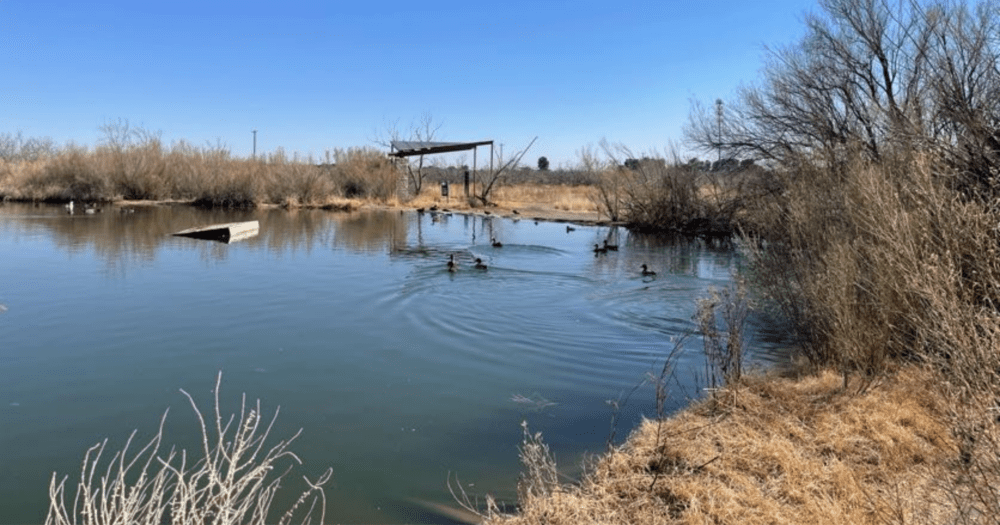
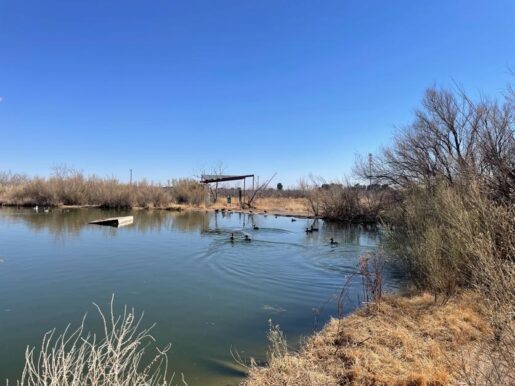
The big picture: Even in cold weather and our recent spring-leaning forecasts, the waterfowl to be seen at Sibley Nature Center have not diminished and always bring nature-filled joy. The center’s trails and observation areas are prime for spotting a diverse array of birds, from migratory ducks and geese to resident species like northern mockingbirds and cactus wrens.
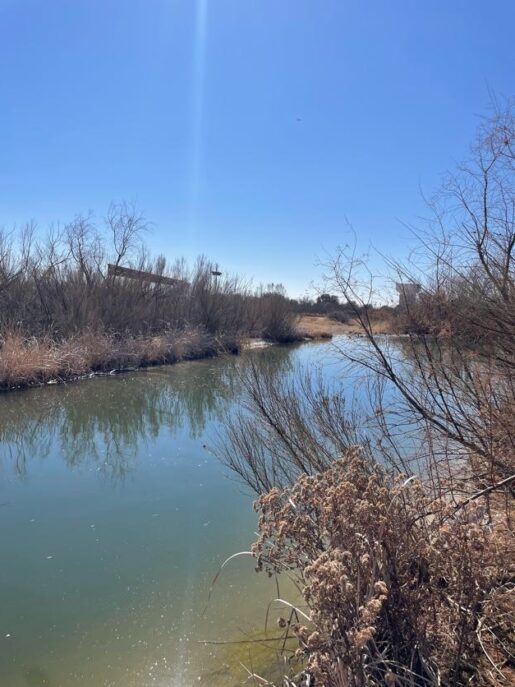
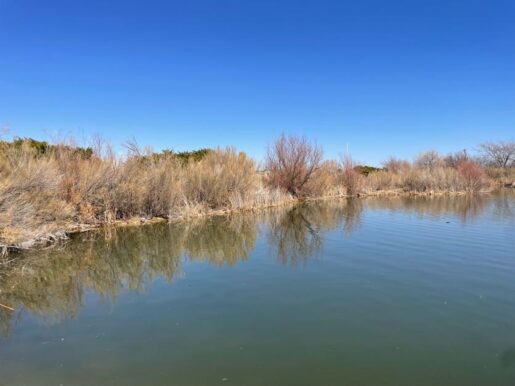
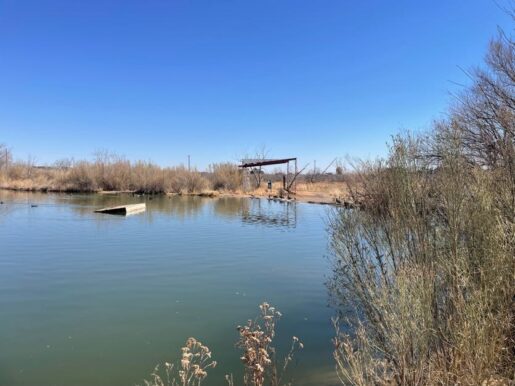
The pond is my favorite part of Sibley Nature Center, serene and calm, it’s the perfect spot to watch the waterfowl, enjoy the scenery, and let experiencing nature native to your area excite your love for Midland.
Go deeper: Waterfowl (Order Anseriformes) are diversified, yet as a group are very homogenous. All members are swimming birds that share short legs with webbed front toes, long necks, broad bills, heavy feathering, and most have strong flight ability. Most are highly gregarious, migrating in large flocks.
Despite their homogeneity, waterfowl have given avian taxonomists great difficulty in arranging them into natural groups. Based on their anatomy, distribution, habits, and behavior, waterfowl are grouped into a single family, the Anatidae (ducks, geese, and swans), and then subdivided into subfamilies and tribes.
Diving ducks patter on the surface of the water when taking flight, and they all dive under water when feeding. Because of their rearward leg placement, their bodies are usually more upright when walking on land. Their wings are relatively small, but their wing beat is rapid, resulting in a strong and fast flight.
In comparison, dabbling ducks are commonly found in the shallower waters of creeks, ponds, marshes, and playas as they feed by dabbling rather than by diving. When taking flight, they spring directly into the air, as apposed to diving ducks pattering. Dabbling ducks normally swim with their tails held high out of the water.
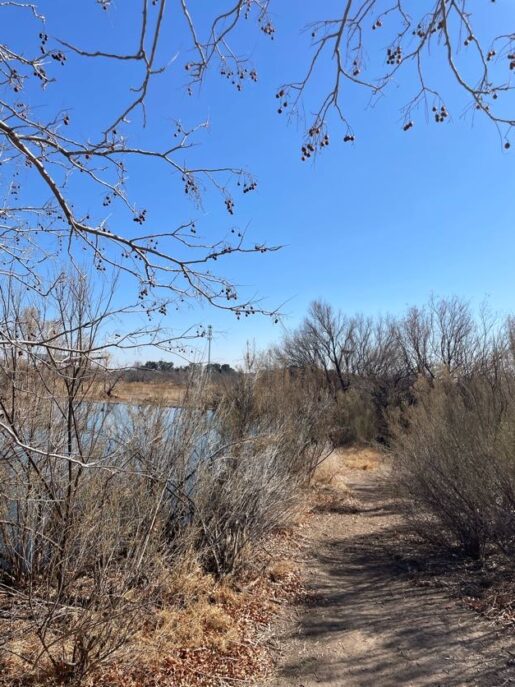
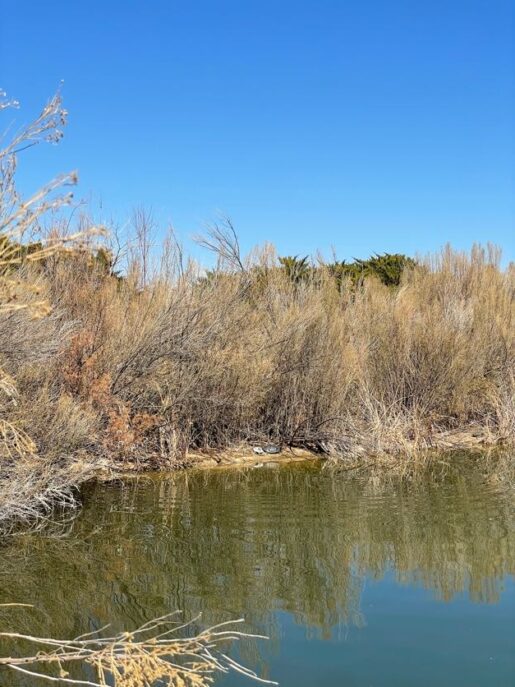
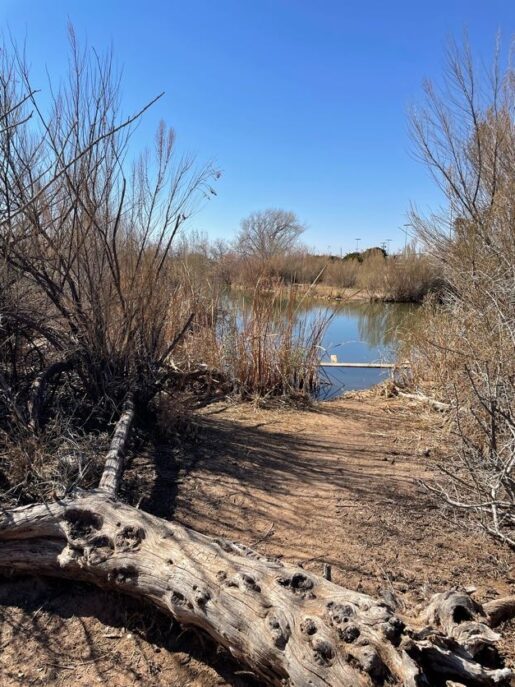
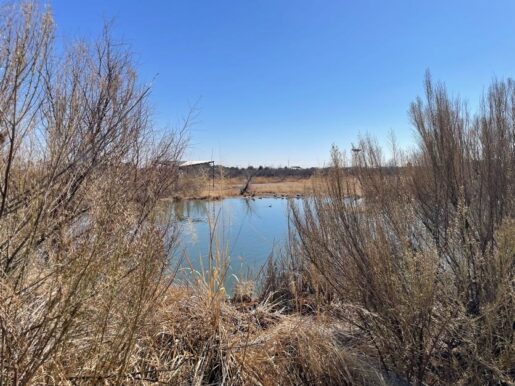
What’s next: Whether you’re a beginner birder or seasoned observer—bring binoculars and closed-toed shoes to walk the well-maintained crushed-granite paths and enjoy the native landscape that showcases the southern Llano Estacado’s ecology. Admission is free and the trail is open from dawn to dusk.