
Bar’s alcohol permit returns to council for sixth time
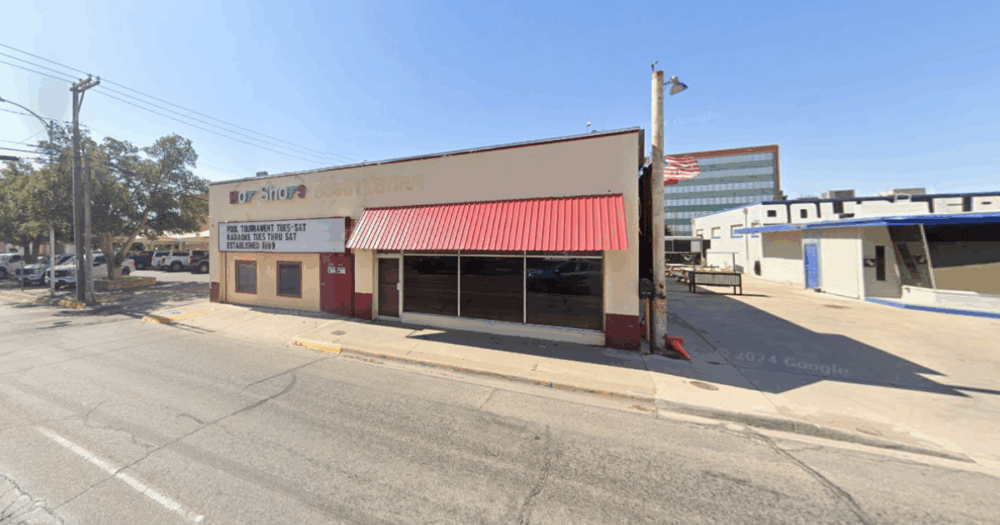
What to watch: The Midland City Council will meet on Tuesday, Jan. 13, to consider adopting a countywide disaster plan tied to federal funding, review alcohol permit conditions for Hot Shots, and update how the city charges drainage fees to property owners.
Key points:
- Hot Shots alcohol permit: Council will conduct the required review of Hot Shots’ on-premise alcohol sales permit.
Council first addressed the issue in April after discovering Hot Shots had unknowingly operated without a valid permit since 2017. A single objection from neighboring BTA Oil Producers triggered a supermajority vote and led council to require two peace officers on weekend nights. In June, council reduced that requirement to two Level II security guards instead.
Council reviewed the permit in August and September and found incident levels largely unchanged. Council declined to expand security requirements and instead directed staff to work on a citywide safety policy for bars and clubs, which the city has not yet adopted.
- Hazard mitigation plan: Council will consider adopting the Midland County 2025 Hazard Mitigation Action Plan. Adoption makes the city eligible for Federal Emergency Management Agency (FEMA) funding. The plan outlines major natural hazards in areas and long-term steps to reduce risks to people and property.
- Cinergy alcohol permit: Cinergy is requesting an alcohol permit for its new location off Loop 250. In November, council deferred a request to extend alcohol sales to 2 a.m. every day, raising questions about whether those hours fit with a family-oriented entertainment venue. The proposed permit allows sales until midnight on weekdays and 2 a.m. on weekends.
- Drainage utility changes: Council will consider changes to the city’s drainage utility ordinance, which affects how the city charges drainage fees to property owners. The proposal would narrow the list of properties exempt from the fee, including undeveloped land, vacant lots, tax-exempt religious property, state agencies, and higher education institutions.
The ordinance would also base charges on building size rather than a flat rate, a $4.90 monthly rate per unit of impervious surface, and take effect Feb. 1, if approved.