
Inside the jail’s reentry program intended to lower recidivism
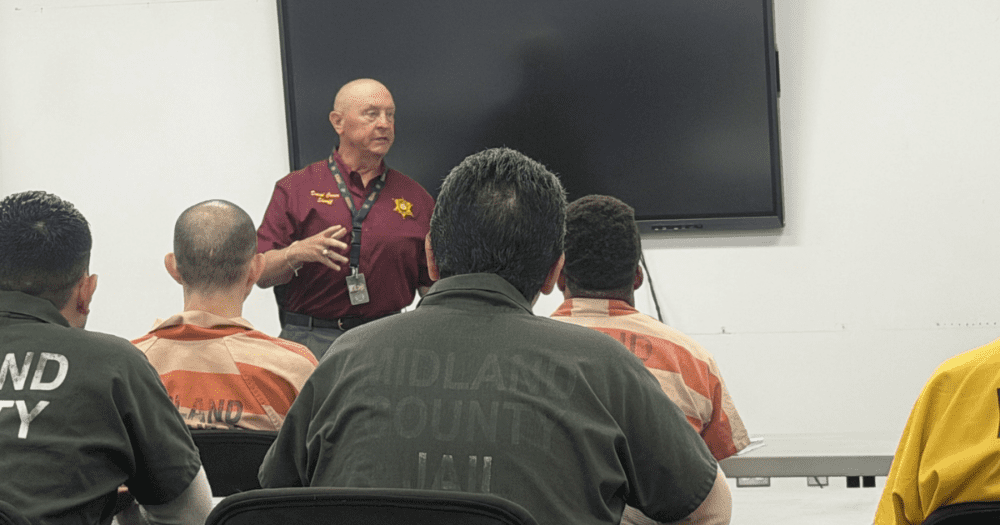
Photo credits: Midland County Sheriff’s Office
What happened: Midland County Sheriff David Criner is working to reduce recidivism by offering an in-jail reentry program designed to reduce repeat offenses and prepare inmates for life after release. The Permian Press sat down with Criner to learn more about the program, how it benefits taxpayers, and his heart behind the mission.
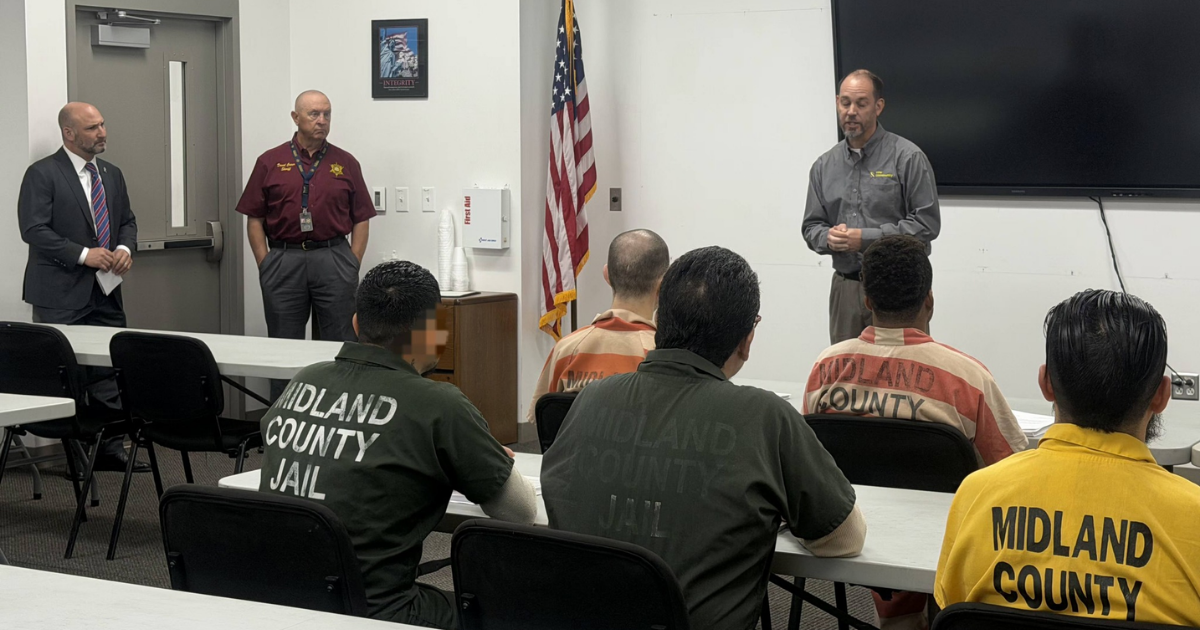
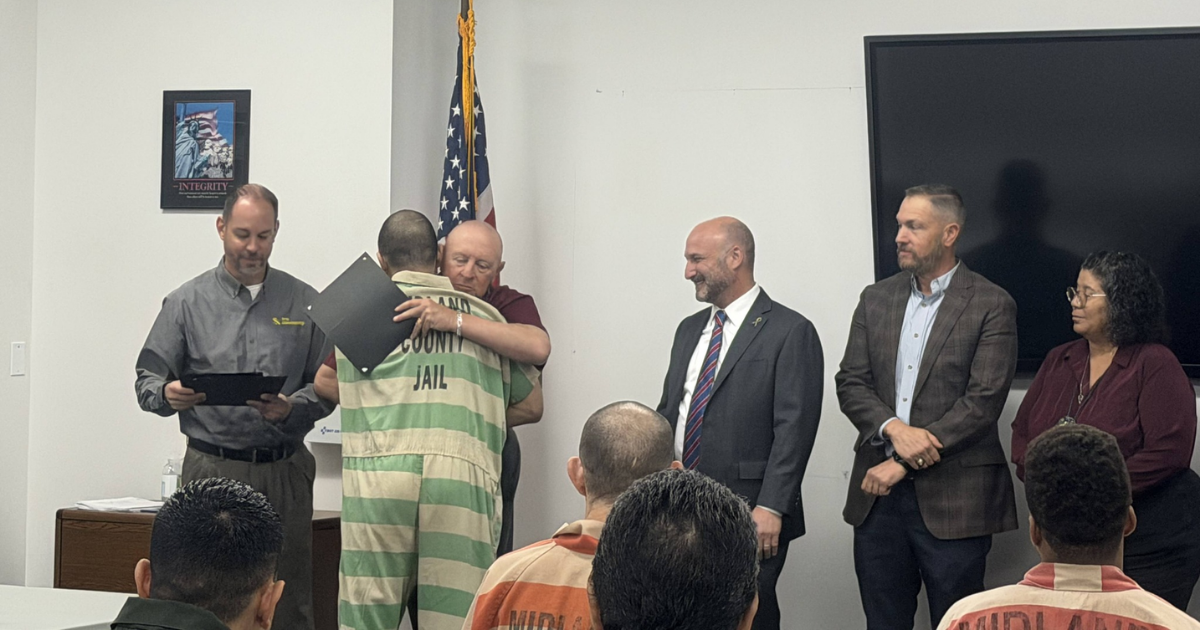
The big picture: On Friday, April 10, eight county jail inmates graduated from the Pathways to H.O.P.E. program, short for Helping Offenders Pursue Excellence. These graduates follow the nine who graduated from the inaugural class in February. But Criner isn’t planning on stopping anytime soon. The county plans to run the program every two months moving forward.
“I think that’s part of my mission as a sheriff,” Criner said. “Let’s try to get these guys going in the right direction when they get out. Let’s not make them habitual violators all the time.”
Midland’s top stories. One quick email. Free, every Friday.Get Midland Wrapped, our free weekly email for busy Midland residents. Each Friday, we break down the week’s most important local stories — what happened, why it matters, and what to watch next — so you can stay informed without the noise.
Criner said the class helps to pinpoint inmates in the right direction and pursue excellence.
“Sometimes they think they’re stuck in that rut, and they’re not,” Criner said. “I think that’s the mindset. ‘Hey, I don’t know anything else.’ Well, now you do. We’re going to try to help you get out of this rut.”
The program is voluntary and structured as a five-day, 40-hour course covering financial literacy, family relationships, work ethic, mental health, and personal accountability. The program pairs participants with a mentor after release to continue working together.
“Let’s find out why you did it. Let’s correct it. Let’s not make that poor decision the next time,” Criner said. “Hopefully, the guys that graduated, we won’t see again.”
Go deeper: If the program works as intended, it could reduce recidivism, lower long-term jail costs, and connect former inmates to jobs and community support, rather than cycling back into custody. Criner said sheriffs in Tarrant and Rockwall counties told him they have seen no participants return to jail after completing the program.
The county funds the program through commissary revenue generated inside the jail, meaning it doesn’t come out of the county’s $47.9 million public safety and corrections budget.
Criner also noted that there are plenty of available jobs and companies willing to hire people with criminal records. The challenge is connecting them to those opportunities. He said organizations have reached out to the county since hearing about the program offering to connect graduates to jobs.
The program does not offer a shortcut through the justice system. Participants do not receive reduced sentences or special treatment. It’s a voluntary opportunity for those who want to change direction. The goal, as Criner put it, is to change the hearts and souls of people incarcerated.
The bottom line: For Criner, the H.O.P.E. program is one part of a broader effort to reconnect inmates in the jail with the community. The sheriff’s office also works with other various volunteers, churches, workforce programs, and nonprofits to create more entry points for inmates preparing to reenter society.
“A lot of times, hearing it from someone who’s been in your shoes makes a bigger impact than me telling you what you should do,” Criner said. “I think that sometimes they don’t think that society cares about them sometimes, but I do, and society does.”
Criner added that the jail is currently out of Bibles and hopes to provide one to anyone leaving who wants one. He said any church or organization in town that would like to help with that can contact the sheriff’s department. He also said anyone who feels a calling to go into the jail and help can contact the sheriff’s department and undergo a background check.
“I’m open to anything to get these inmates guided in the right direction, because I don’t want them to sit in [the jail] anymore,” Criner said. “So any community program out there that wants to help us out, let us know.”