Why native plants thrive in Midland gardens
Sara Moran is a Horticulture Extension Agent for Ector and Midland Counties. Below, she provides readers with practical tips and resources to help their gardens and gardening efforts flourish in Midland.
What to watch: Residents in the Permian Basin are increasingly interested in learning about native plants, incorporating them into their gardens. Native plants are species that have adapted to local soils, climate conditions, and wildlife, they often thrive with less maintenance than non-native ornamental plants and who does not love a low maintenance plant?
Additionally, native plants have developed important ecological relationships with local insects, birds, and other wildlife. Plants native to our local region provide environmental, economic, and aesthetic benefits. Gardeners regularly share photos, success stories, and educational content that inspire others to create native plant gardens.
The big picture: I purchased my first two native plants at the Permian Basin Master Gardener plant sale about 3 years ago. It was an eye-opening experience, both 1-gal containers that have grown to about 3 ft. wide. Maintenance is minimal. Irrigation is minimal once they are established. Established plants thrive on a deep, infrequent watering schedule—typically just once or twice a month during the intense summer heat, and little to none in the winter.
We also cut them back once a year, typically February-March, we don’t always do it every year. Native plants often do not require fertilizers, pesticides, and soil amendments. Planting native species is one of the simplest and most effective actions we can take to reduce maintenance, conserve water, and support pollinators.
A common misconception is that native plant gardens appear wild or unkempt. However, they can be beautiful and beneficial. Native plants can be incorporated into a wide range of styles, from formal gardens to naturalistic plantings. Their ability to attract butterflies, birds, and other wildlife adds a layer of enjoyment that traditional landscapes may not provide. Every year I have incorporated one or two native plants to my landscape.
-
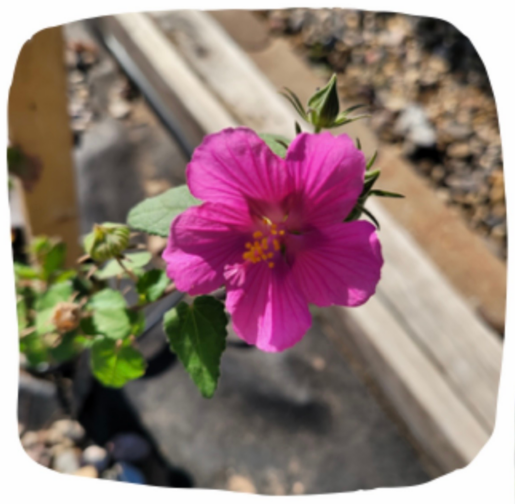
- Rock Rose
-
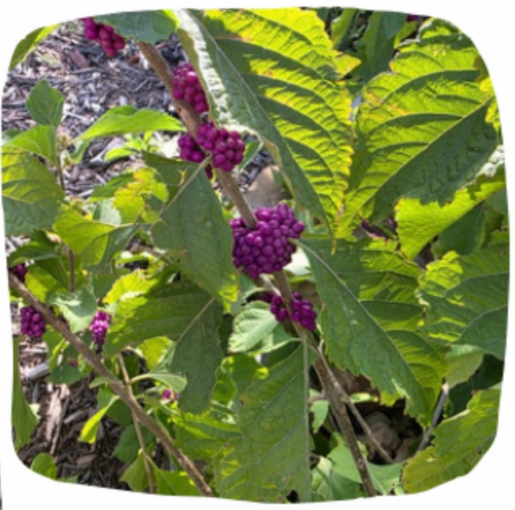
- Beauty Berry
-
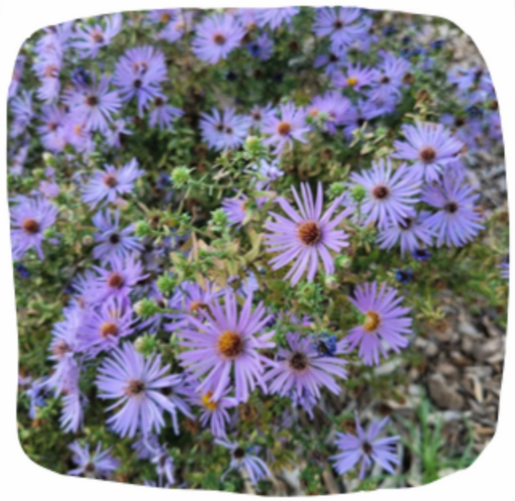
- Fall Aster
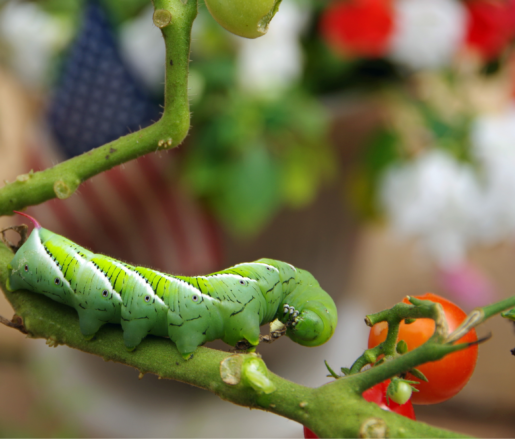
Know Your Insects: Tomato Hornworm
Tomato Hornworm, is a large green caterpillar that feeds on tomatoes, peppers, eggplants, and other plants in the nightshade family. Tomato hornworms are the larval stage of the hawk or sphinx moth. Hand-picking is an effective control method, and natural predators such as parasitic wasps help keep populations in check. For those less sympathetic to insects that eat your crops, they make great treats for chickens.
Plant Spotlight: Larkspur
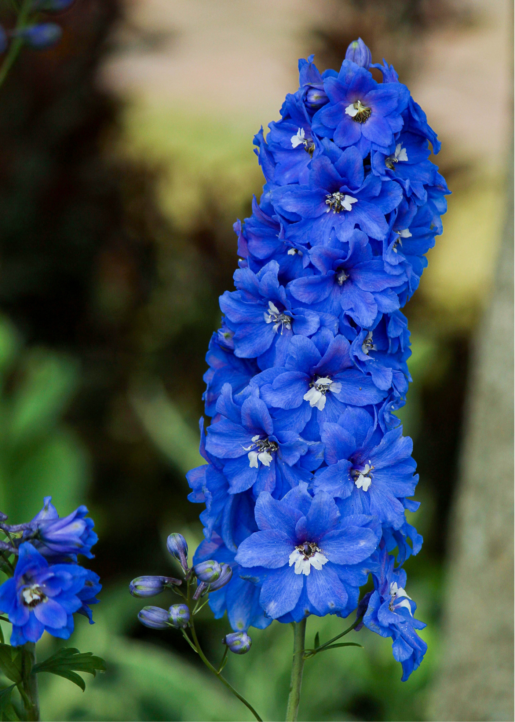
Larkspur (Delphinium sp. or Consolida) a beautiful cool-season flowering plant known for its tall spikes of colorful blooms in shades of blue, purple, pink, and white. Annual Larkspur (Consolida) are adaptable and perform better in dry regions, they can be reasonably drought-tolerant once established. Both varieties grow best in full sun and well-drained soil and often reseeds itself for blooms in future seasons. Planting should be done in fall to enjoy blooms and get plant established by spring. Its striking flowers are very popular in the latest flower arrangement trends.