
Meet Midland’s own piano man: Steven Hopp
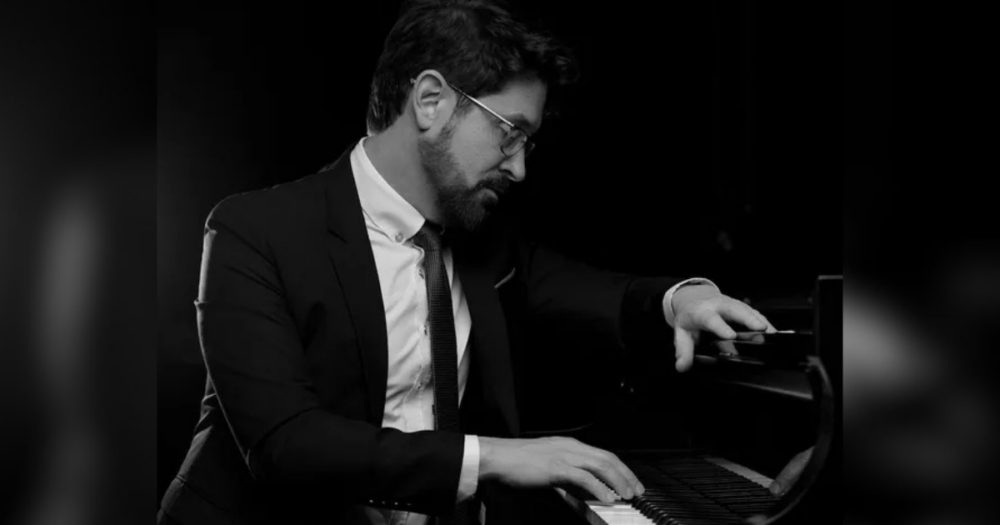
The whole reason I wanted to write this article goes back to a free piano concert I attended last September. That night, I was sitting in a room that could seat around 250 people, but maybe 50 were there. Several attendees were teenage girls, and while I was glad they came, many of them spent much of the concert focused on their phones. Then Steven Hopp walked out onto the stage.
He was dressed head to toe in red — a bright red suit with matching red boots. He looked amazing. Then he started playing, and he completely blew my socks off. My daughters had heard him play before, during field trips to his studio, but I had never.
I walked into the concert expecting a pleasant local music event. I walked out stunned by how talented he was.
As I sat there listening, I kept thinking: This room should be packed. Why wasn’t it? Why weren’t more parents taking advantage of a completely free opportunity to expose their children to live music at this level? That night stayed with me long after the concert ended.
Three years ago, my daughters started showing a lot of interest in music. We had a hand-me-down keyboard sitting in our house, and they loved pressing the keys, trying to figure out songs, and pretending to play. I wanted them to learn piano, so naturally, I thought, I’ll just teach them myself. The only problem was that I had very little experience playing piano.
Still, I was confident I could figure it out. Surely a “How to Play Piano for Dummies” book, combined with enough YouTube videos, could turn me into a capable beginner piano teacher. It took about two minutes to realize that the plan was not going to work. For the sake of my long-term relationship with my daughters, I decided it would probably be best to find them an actual piano teacher.
So I did what most parents do — I googled “piano teachers in Midland” and called the very first person who came up: Trish Pickens. My girls started lessons the following week. Trish has now been teaching my daughters every Thursday morning for three years, and they love it!
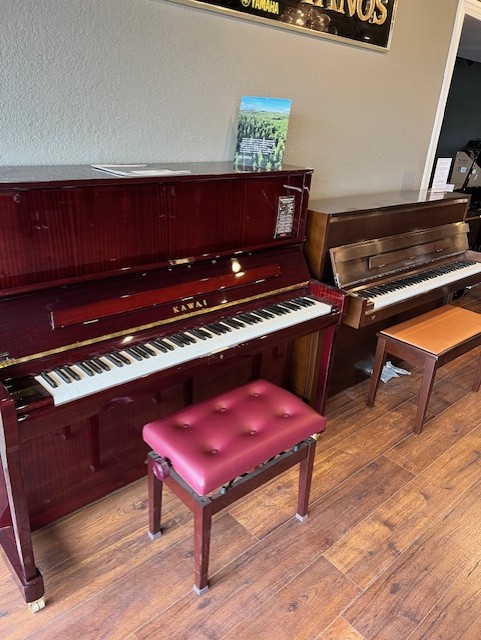
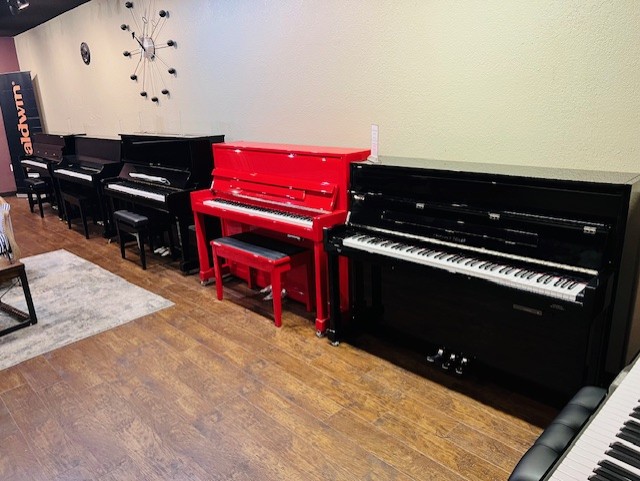
A few weeks after Steven’s concert, I mentioned to Trish that I would like to do an article on him. She thought it was a great idea and got me connected with Steven. A few months later, I found myself sitting across from Steven at PianoWorks Gallery, with a recorder between us, wanting to learn more about the man behind the piano.
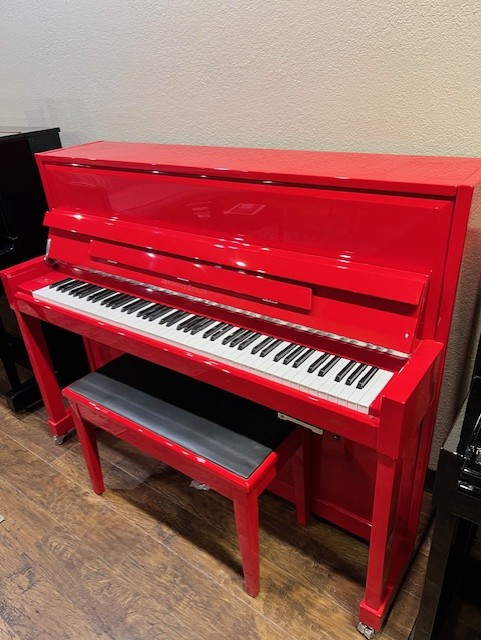
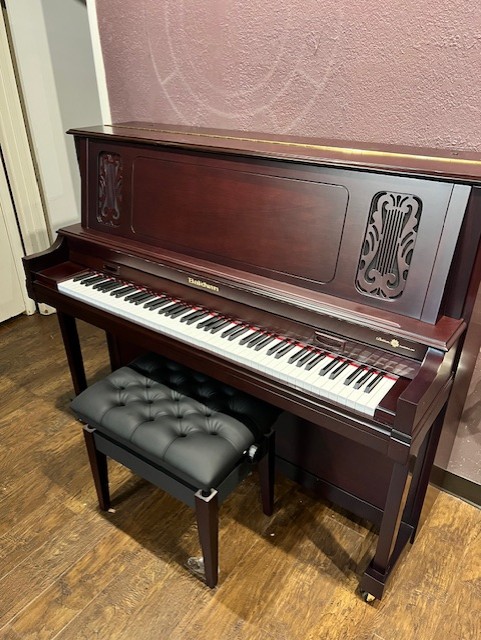
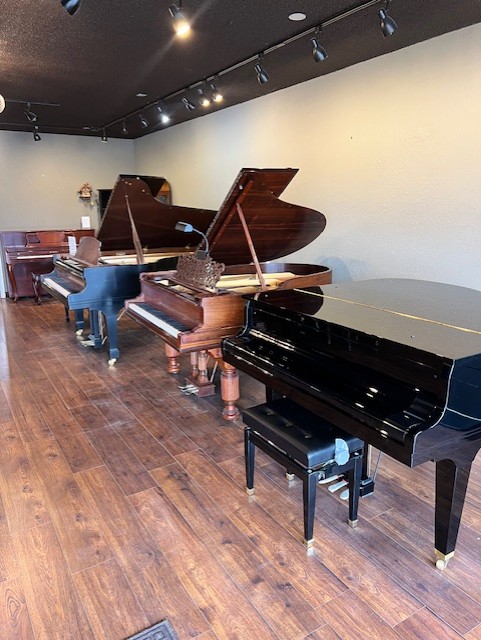
A piano before he was born
Steven’s story begins before he was even born. When his mother was pregnant with him, his father called from the university where he worked and asked whether she wanted to buy a piano someone was selling on campus. Steven’s mother was not musical.
“She cannot play, she cannot sing, she cannot dance,” he told me, laughing. But she said yes anyway.
That decision sealed his future as a gifted pianist.
“From the moment I was born, all I ever wanted to be at was at the piano,” Steven said.
When he was 4 years old, his mother took him to a neighborhood piano teacher. The teacher initially refused to take someone so young, but Steven’s mother asked her to simply give him a chance. Twenty minutes later, the teacher came back and said, “I’ll take him!” He never stopped playing after that.
By middle school, Steven was already rehearsing with the high school orchestra. He won competitions, performed regularly, and quickly gained a reputation for being the best. Then came college.
“I walked in, and there were 24 of me,” he said.
For the first time, he was surrounded by people just as talented, and many better than he was. Instead of discouraging him, the experience pushed him deeper into music theory and composition, areas many students avoided. That background still shapes the way he teaches, memorizes, repairs, and understands music today.
Steven eventually moved to Midland in 1999 to teach piano lessons. At first, he hated it. He laughed as he told me that after only a few days in Midland, he had told a friend he was never coming back. But that friend encouraged him to give the city one more chance. Twenty-seven years later, he is still here.
At the time, Midland was quieter. Traffic was light, and he traveled house to house, teaching students across the city. As his teaching studio grew, another unexpected career path emerged. A longtime local piano technician encouraged him to learn piano tuning and repair work. Steven resisted at first.
“I’m a pianist,” he remembered thinking. “I’m not going to learn to tune pianos.”
But eventually he gave it a try. His first major repair project came through the Petroleum Club, where he was asked to evaluate a grand piano needing significant work.
“I had no idea what I was doing,” he said, laughing.
But the experience pushed him deeper into the craft. He joined the Piano Technicians Guild, trained under experienced technicians, and eventually studied with manufacturers including Steinway, Yamaha, Kawai, and Renner. He is also preparing for additional training with Bechstein in Germany.
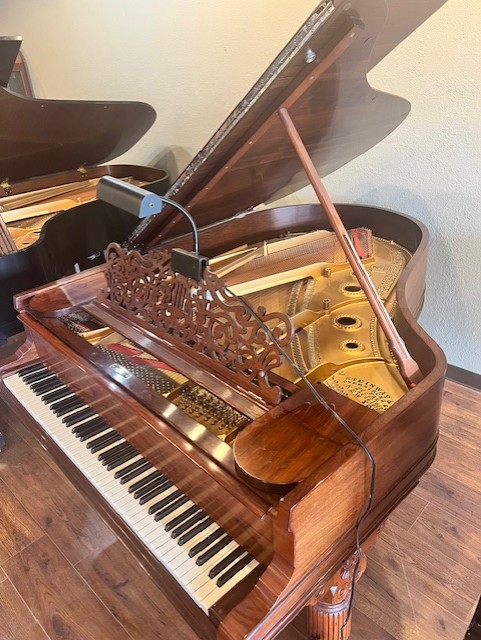
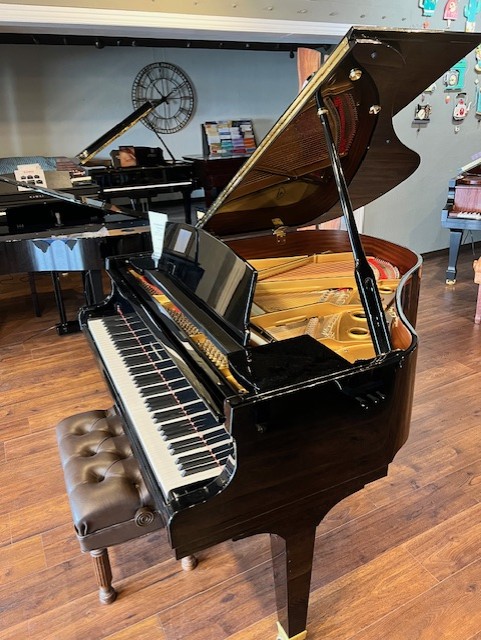
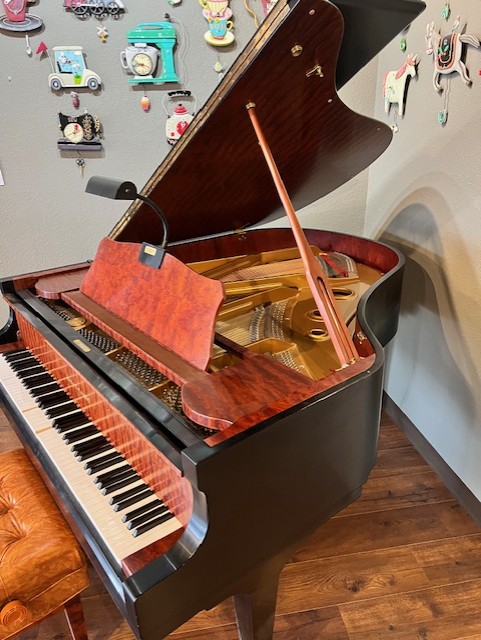
Today, Hopp is the only registered piano technician based in Midland and one of the very few serving the vast region spanning West Texas and eastern New Mexico.
A moment that still stings
When the Wagner Noël Performing Arts Center first opened, there was hope that Midland could attract more world-class classical musicians. One night, legendary violinist Itzhak Perlman performed there, but ticket sales were weak. Students were brought in as seat fillers, and many left during intermission, not realizing the concert had a second half.
“When the lights came up,” Steven said, “there was basically no one in the audience.”
Hopp said moments like that discouraged many classical performers from returning to Midland. Today, aside from the symphony, large-scale classical performances remain rare in the community.
Hearing that story made me appreciate even more the musicians and teachers who are still here, and the people who continue to invest in children, concerts, and arts education despite the challenges.
Why music matters, especially for children
As a mother of five, I have a strong conviction that my children need to be immersed in music as much as possible. In a world shaped by screens, social media, and growing mental health struggles, kids need real experiences. They need opportunities to focus, practice, create, and develop skills that cannot be built through scrolling.
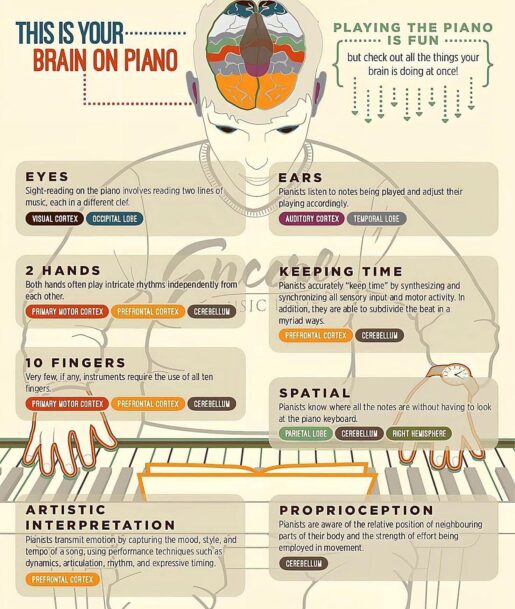
Steven later sent me a graphic showing how parts of the brain activate simultaneously while playing piano.
“The piano is the most complex thing that the brain can do,” he said.
And yet many families hesitate because they worry their child may eventually quit lessons. Hopp said he has intentionally structured parts of his business to remove some of that fear. Families can trade in pianos toward future upgrades, place instruments on consignment, or finance purchases over time.
“No one is ever stuck with their piano,” he said.
The teacher working to build Midland’s music community
Trish Pickens, the teacher who introduced my family to this world, sees both the potential and the gaps in Midland’s piano community.
“We need more growth,” she told me. “Students need more knowledge of the right instruments.”
Pickens said many children genuinely want opportunities to perform and be involved in music, but the city needs more collaboration, more events, and more energy surrounding the arts. Part of Trish’s approach to teaching is letting the kids play music they like. She puts on several recitals and events throughout the year so her students can gain experience and confidence, all while having fun.
“The kids are just happy,” Steven said while describing one of her recitals. “It’s positive.”

A vision for Midland and beyond
Steven now travels internationally, teaching piano technology in places such as London, while continuing to run PianoWorks in Midland. He has traveled extensively in recent years, including trips to Africa, Morocco, and Brazil. He hopes to continue growing Midland’s music culture through concerts, mentoring, and community events.
This fall, he is planning a concert program featuring Spanish and Latin American composers, hoping to introduce more people to styles of classical music they may never have experienced before.
As parents, we spend a lot of time wondering what will help our children grow into healthy, capable adults. Sitting in that concert hall last September, I kept thinking about how badly kids need experiences like this. Opportunities to focus, create, listen, practice, and experience something beautiful.
Midland already has people willing to build that kind of culture. The question is whether more of us will choose to support it.