
$15B Permian power plan draws scrutiny over need, reliability
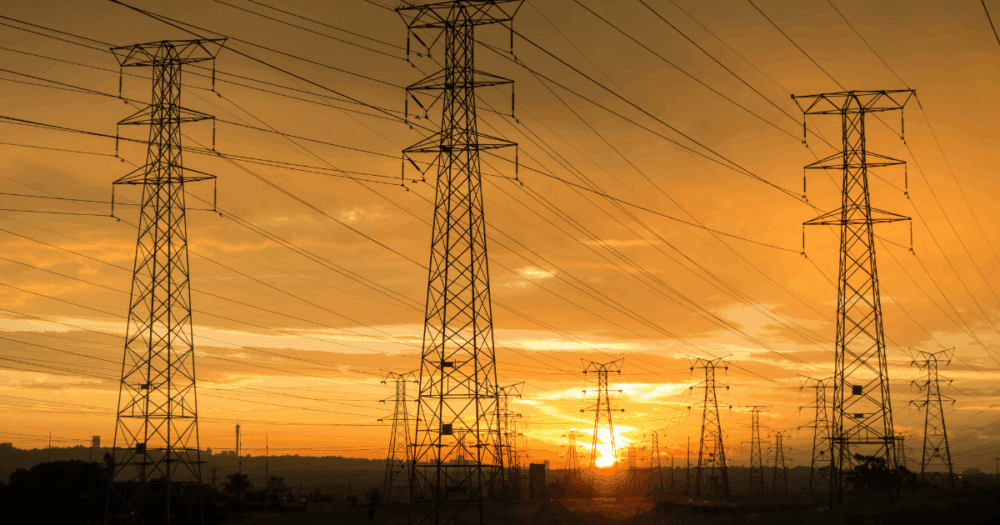
What happened: At the Permian Basin Petroleum Association (PBPA) annual meeting, Jackson Walker Energy Attorney Megan Griffiths and former Public Utility Commission (PUC) of Texas member Lori Cobos gave an overview of transmission expansion projects affecting the Permian Basin in both the Electric Reliability Council of Texas (ERCOT) and the Southwest Power Pool (SPP).
Catch up quick: Texas House Bill 5066, passed in 2023, changed how ERCOT plans power lines. Instead of relying on signed interconnect agreements, the law lets ERCOT plan new lines based on forecasted demand. Using this authority, the PUC created the Permian Basin Reliability Plan, a $15 billion package of new 765 kV import paths and intra-Basin lines to serve industrial loads and ease congestion.
ERCOT also has $18 billion of additional 765 kV transmission lines proposed for other parts of Texas. ERCOT projects Permian load will rise from 9.7 GW in 2019 to 23.7 GW by 2030.
Go deeper: SPP has proposed its largest transmission portfolio ever at $7.7 billion, including its first 765 kV line from New Mexico to eastern Oklahoma. That’s a major shift in regional sentiment, as Delaware Basin industrial loads had not previously been expected to connect. If the SPP board approves the project, it could be finished in four years by assigning it to the incumbent transmission company instead of putting it out for bid.
The big picture: These will be the first 765 kV lines in both ERCOT and SPP, double the size of today’s 345 kV lines. Of three proposed routes, only one will advance, and landowners can still challenge rights of way. Regulators plan to launch a Permian Market Monitor to track budgets and timelines. Even so, supply chain shortages, construction challenges, and landowner pushback could drive up costs.
Reality check: Consumer group Life:Powered questions whether massive new transmission lines address the region’s real reliability issues. The West and Far West ERCOT zones already host 31 GW of wind and solar but only 4 GW of dispatchable gas. Average load in 2024 was 7.9 GW, with a peak of 10.6 GW.
Consumers already pay $650 million annually for the 16 GW competitive renewable energy zones between the Permian, Panhandle, and Dallas. Life:Powered argues that if existing plants met the reliability standards set to apply to new generation after 2026, the region could supply more 24/7 power locally without depending on plants hundreds of miles away.
What they’re saying: Oil and gas operators now see electricity as a top business priority. Their engagement with trade organizations such as PBPA was key to passing HB 5066 and will be critical in shaping future projects.
The bottom line: SPP and ERCOT require utility companies to maintain higher planning reserves as electrification drives demand growth. The Permian’s growth depends on reliable, affordable power connections built fast enough to match industry demand. If projects lag, costs and delays ripple statewide.