World’s largest rocket competition returns to Midland
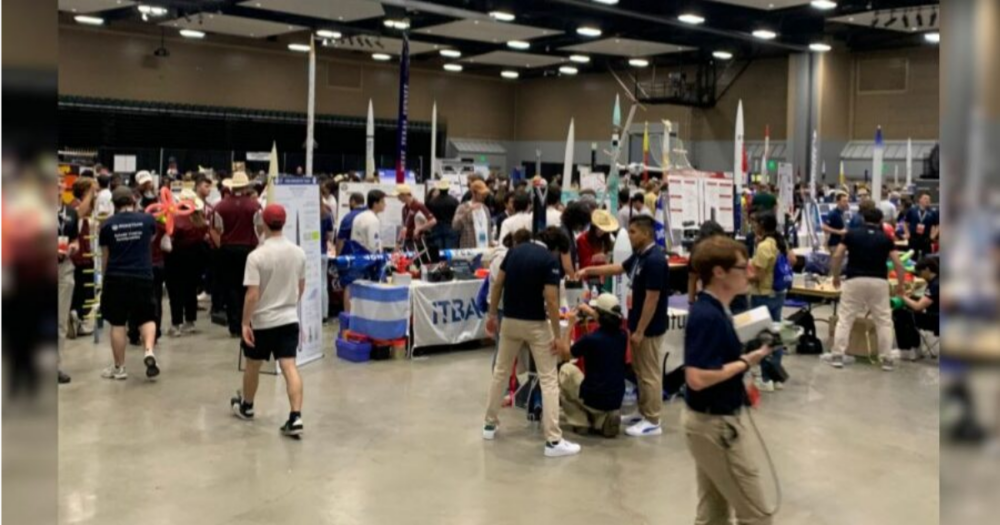
Photo credits: Permian Press staff
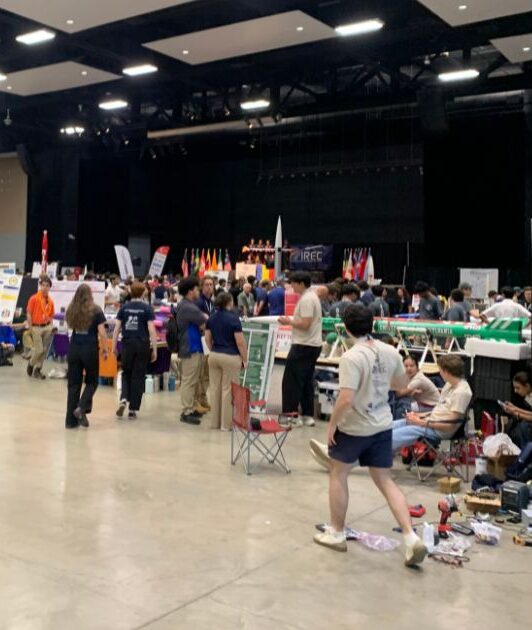
What happened: More than 170 colleges and universities from over 20 countries around the world descended on Midland this week for the International Rocket Engineering Competition (IREC), transforming the Midland Horseshoe into a showcase of innovation, engineering, and international collaboration.
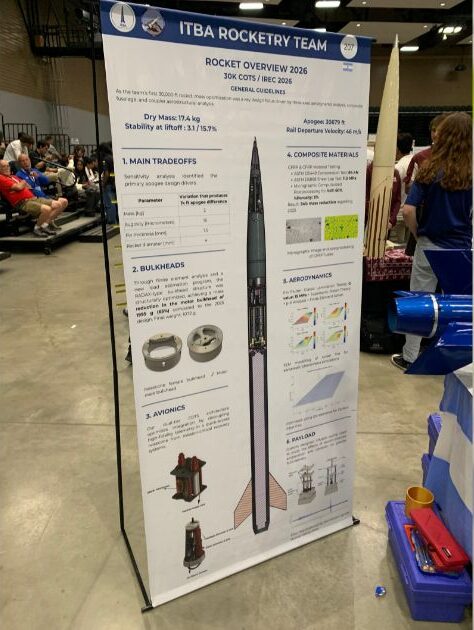
According to the Experimental Sounding Rocket Association (ESRA) and an interview with ESRA President Steve Taylor conducted by Cindy Payton of Every Neighbor, the weeklong competition brings together university teams that spend nearly a year designing, building, testing, and documenting high-powered rockets targeting altitudes of 10,000, 30,000, or 45,000 feet.
Taylor said the competition gives students real-world engineering experience by simulating the kind of multidisciplinary projects they’ll encounter in industry.
The big picture: While the launches draw the most attention, IREC represents nearly a year of work for the students involved. Teams begin planning in the fall, spending months designing, fundraising, building, testing, and documenting their rockets before arriving in Midland.
Taylor said the competition mirrors the professional aerospace industry. Teams include aerospace, mechanical, electrical, chemical, business, and multimedia students working together on a single project. He said that multidisciplinary experience is one reason aerospace companies recruit directly from the competition.
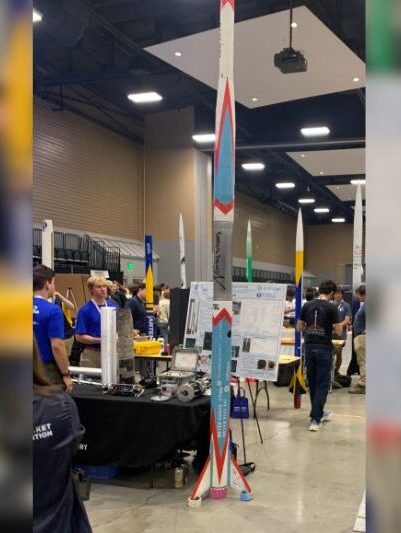
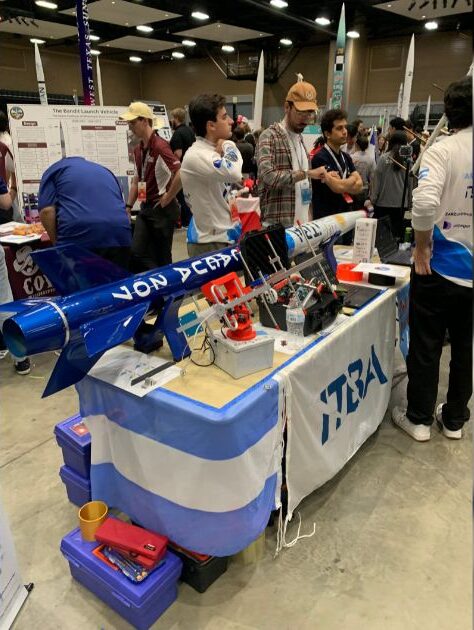
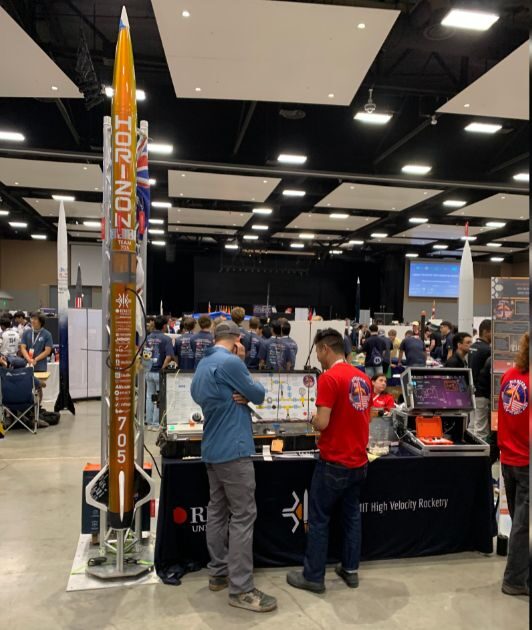
Inside the Midland Horseshoe, students carefully assemble rockets that travel thousands of miles by car, trailer, or airplane. Many rockets arrive in multiple pieces, and the students reassemble them on-site before facing inspection from judges and safety officials.
If a rocket fails inspection, teams must return to their workstations, make corrections, and return for another review before receiving clearance to launch. After completing inspections, teams travel to the launch site near Saragosa, two hours away. The competition assigns launch slots on a first-come, first-served basis, meaning many teams leave Midland before dawn and make the round trip several times throughout the week.
Go deeper: I visited the Horseshoe to see the competition for myself. Walking around the Horseshoe felt more like a FIFA World Cup match than a global science competition. Teams wore matching uniforms, carried school banners, painted their faces, and wore balloon hats while cheering on fellow competitors from around the world.
There were rockets of every size, shape, and design made from carbon fiber, aluminum, and composites, and powered by solid, liquid, or hybrid propulsion systems. Some stood nearly 30 feet tall.
Many students I spoke to talked about their plans to pursue careers in aerospace, engineering, defense, research, and technology. Others said they hope to one day work for organizations such as NASA, SpaceX, or private aerospace companies. Everyone I spoke to was eager to explain their projects, answer questions, and break down complex topics like physics, aerodynamics, propulsion, and data collection.
What’s next: Rocket launches take place through Friday, with awards scheduled for Saturday, June 20. You can view the competition schedule here. Taylor said there is no admission charge to visit the launch site, and for those who can’t make the drive, the Blakemore Planetarium at the Museum of the Southwest will livestream the launches. Spectators must complete ESRA’s online spectator registration before arriving at the launch site.