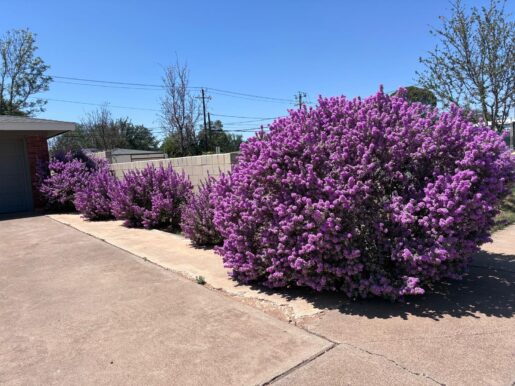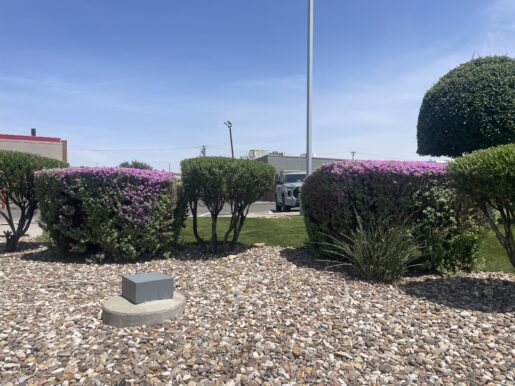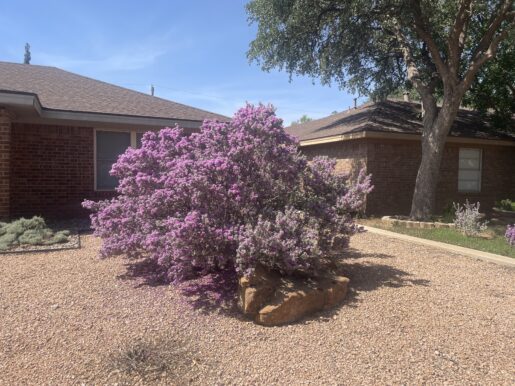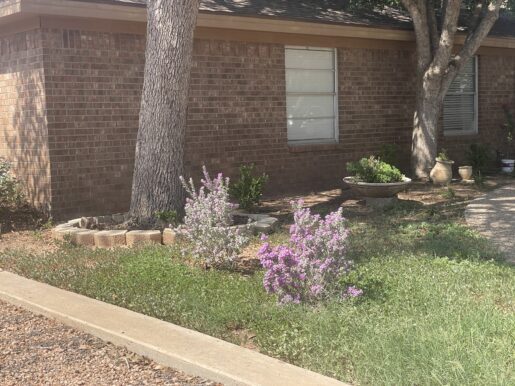
Texas sage blooms big in Midland after humid days
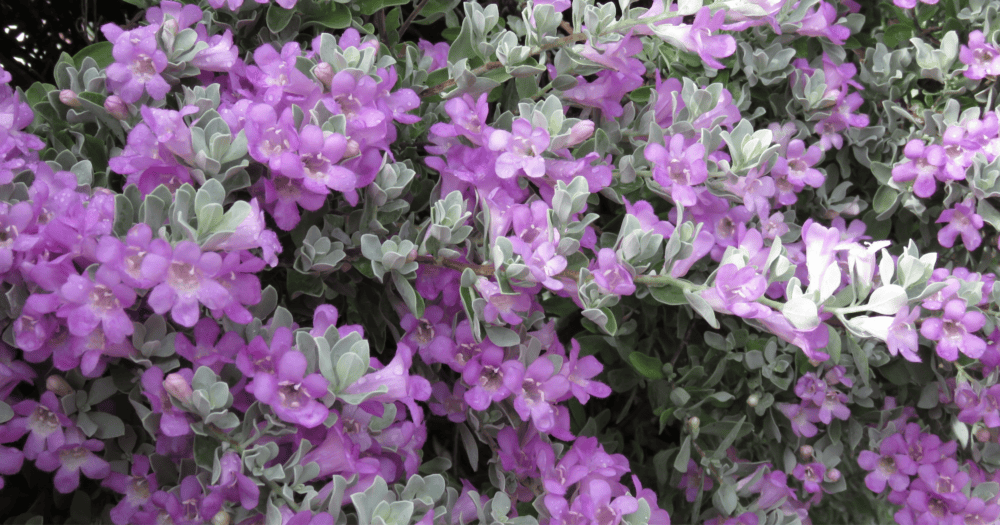
What to know: Midland has been overflowing with purple blooms thanks to our multitude of Texas sage plants around town. So what caused this abundance of color, and why does Midland have so many of these bushes?
The big picture: Texas sage does not follow a strict calendar schedule like many other plants. Instead, it responds primarily to increases in humidity. According to National Weather Service data from Midland International Airport, the total rainfall for July was 1.29 inches of precipitation, slightly below the average of about 1.62 inches. The biggest pour was on July 13 with 0.86 inches.
This rapid rainfall brought a clear rise in humidity, which explains the widespread purple flush people have been noticing lately. These “flush” blooms lasted about a week or so before fading, but another rain or humidity event could trigger a new round later in the summer. Texas sage is one of the most reliable and beautiful signals that moisture arrived in our desert landscape.
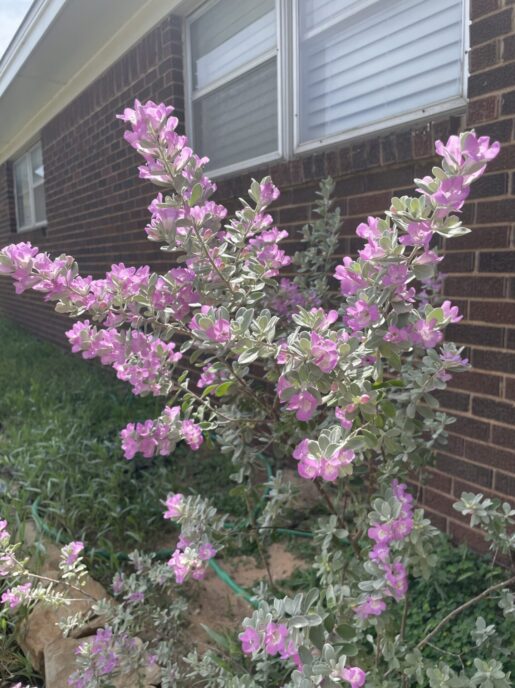
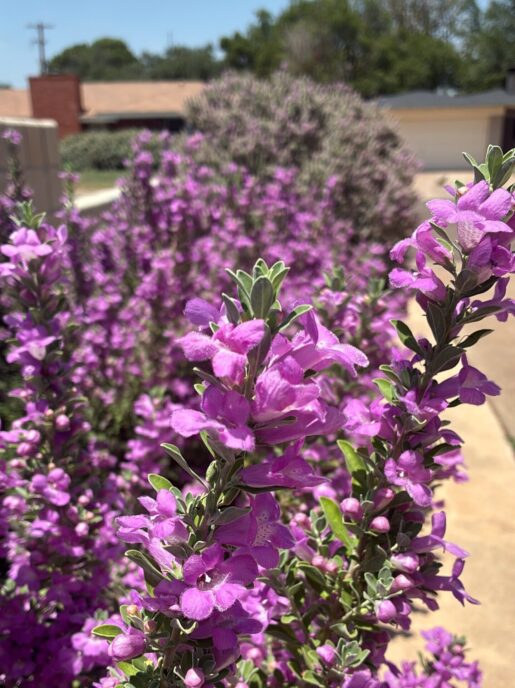
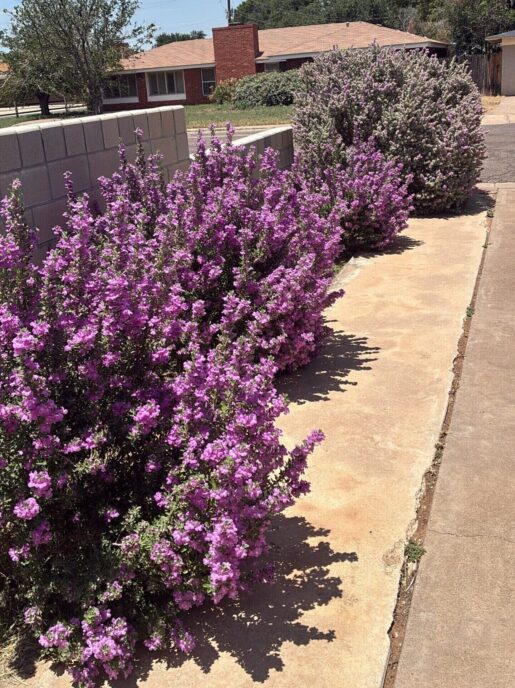
Go deeper: Texas sage is native to the Chihuahuan Desert region, which includes parts of West Texas, southern New Mexico, and northern Mexico. Midland’s climate and soils closely match its natural habitat. It thrives here with almost no help, which is why it’s such a popular plant choice.
- Weather needs — It handles extreme Texas summer heat and long dry periods extremely well. Once established, it needs little to no regular watering.
- Full sun preference — It loves the intense, unfiltered West Texas sunlight and reflected heat from pavement or buildings.
- Low maintenance — It is deer-resistant, pest-resistant, drought-tolerant, and requires minimal pruning or fertilizer.