
Why jury duty matters: How Texas juries protect citizens from government power
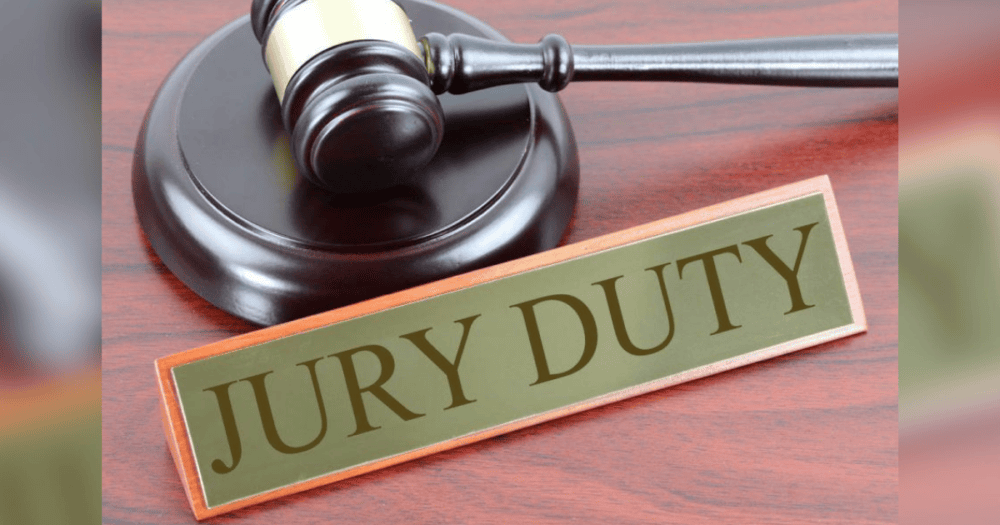
Photo credit: The City of Lynchburg
The big picture: Juries are one of the protections citizens have against government power. The Constitution gives ordinary people a role in deciding whether the government has enough evidence to prosecute someone and whether a person should be convicted of a crime. One of the original British Coercive Acts of 1774 that sparked the American Revolution was to allow the British government to circumvent the American jury system.
Juries also decide civil disputes involving money, property and other legal rights. But not all juries serve the same purpose, and the type of court determines what cases they hear.
Why it matters: According to the Texas judiciary’s fiscal year 2023 report, 21% of defendants whose district court cases went before a jury were acquitted, compared with 4% whose cases were decided by a judge. Across both types of trials, 10% were acquitted.
Those figures do not mean every acquitted defendant would otherwise have been convicted, but they show the role trials play in determining whether the government has proved its case.
Key points:
- Grand juries: A Texas grand jury has 12 citizens who decide whether there is enough likely evidence that the government can charge someone with a felony. At least nine must agree to issue an indictment, which allows the government to proceed charging the person.
Grand jury proceedings are generally secret. Prosecutors present evidence, but the grand jury does not determine guilt. Famously New York Appeals Chief Judge Sol Wachtler is credited with saying “Any good prosecutor can get a grand jury to indict a ham sandwich.” If jurors decline to indict, they return a no bill. Prosecutors may be able to present the case again.
As an example last August, a Midland County grand jury indicted County Judge Terry Johnson on four criminal counts. An indictment means a grand jury found enough evidence, known as probable cause, for the state to prosecute Johnson. It is not a finding that Johnson is guilty.
- Trial juries: Also called petit juries, these hear evidence in court and decide whether the government has proved a criminal defendant’s guilt beyond a reasonable doubt.
Felony trials generally have 12 jurors, while misdemeanor trials have six. Criminal verdicts must be unanimous.
An acquittal prevents the government from punishing someone for the charged offense and generally bars another prosecution for the same offense. If jurors cannot agree, the case may be tried again.
As an example last February, a Midland jury convicted Daniel Velasquez, 19, of murder following a weeklong trial in the 385th District Court. The jury sentenced Velasquez to 75 years in prison with eligibility for parole after 30 years. In January, a Midland jury sentenced Michael Andrew Counterman to life in prison following a week-long trial in the 142nd District Court.
- Civil juries: Civil cases generally involve disputes between individuals, businesses or other parties rather than criminal charges brought by the government.
Jurors decide questions such as legal responsibility and financial damages. Most civil cases require proof by a preponderance of the evidence, meaning a claim is more likely true than not.
Unlike criminal juries, Texas civil juries generally can reach a verdict with agreement from five-sixths of the jurors.
Juries can also decide whether a local elected official is removed from office. When District Attorney Glenn Harwood sought County Judge Terry Johnson’s removal in August, The Permian Press reported that permanent removal would require a Midland County jury to find legal grounds for removal, and any verdict could be appealed.
- Different courts: Texas has several types of courts with different responsibilities.
District courts hear felony cases, major civil disputes and family law matters. County courts and county courts at law generally handle misdemeanors and certain civil cases.
Justice of the peace courts hear small claims, evictions and some fine-only offenses. Municipal courts handle city ordinance violations and fine-only offenses such as traffic citations.
Statutory probate courts handle estates, guardianships and related disputes. Texas also has a Business Court for certain business disputes.
Federal courts operate separately and hear cases involving federal law.
IDEA Public Schools sued MISD claiming a constitutional claim over two Texas entities where MISD is disputing that claim and asking that the correct court for the contract dispute is in State court.
- Jury participation in Midland: Midland County selects prospective jurors using voter registration and Texas driver’s license or identification records. Residents who receive a summons may be required to report for jury selection, but not everyone summoned will serve.
According to Midland County’s jury information, about 20% of prospective jurors are selected for trials. The average trial lasts three days. State law provides exemptions for certain residents, including people older than 75 and parents who cannot arrange adequate supervision for children younger than 12.
- Midland’s participation rate: Midland County District Clerk Alex “Lex” Archuleta told The Permian Press that the county’s juror compliance rate has risen from 20% when he took office in 2017 to 90–95% today.
The bottom line: Jury service gives citizens the determining major role in the justice system. Grand juries review proposed felony charges, trial juries determine guilt and civil juries resolve disputes affecting people’s rights and property.
The system depends on citizens serving when called. Without jurors, one of the Constitution’s protections against government power cannot function as intended.