
County adds $3,000 signing bonuses for new jailers
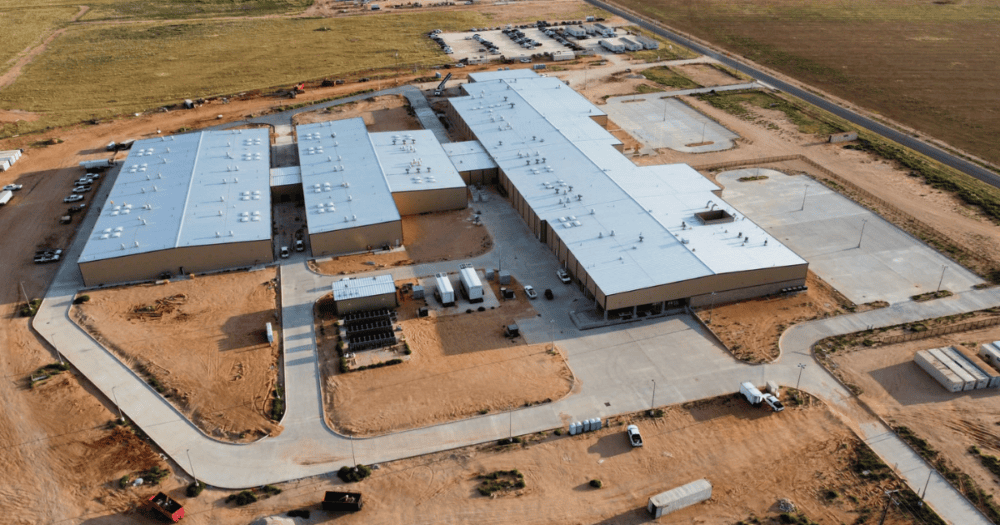
Photo credit: Midland County
What happened: The Midland County Commissioners Court met on Tuesday, Aug. 4, and adopted a new detention officer recruitment policy that pays newly hired jailers up to $3,000 in bonuses over their first two years. Commissioners also approved the purchase of camera-equipped ground robots for the Permian Basin’s Texas Anti-Gang (TAG) unit.
The court also heard an update on problems at the new justice of the peace courthouse and discussed creating a “Library of Things” lending program at the county library.
Key points:
- New jailer signing bonus: Commissioners unanimously approved a new Sheriff’s Office recruitment policy paying new jailers a $1,000 bonus after one year and another $2,000 after two years. The county will fund the bonuses using unspent salary money already budgeted in the sheriff’s budget, and the change will take effect immediately.
Sheriff David Criner said the jail currently has 15 to 18 vacancies among roughly 120 detention officer positions and that they will need substantially more staff when the new county jail opens. Judge Terry Johnson said the bonus could also help recruit some of the roughly 60 jailers expected to lose their jobs when the Big Spring prison closes.
“We booked in 51 people Friday night… from 6 p.m. to 6 a.m.,” Criner said. “That’s a lot of people going through that facility at one time.”
Commissioner Steven Villela questioned whether bonuses are the best recruitment tool given Midland already pays more than surrounding counties, saying he would rather increase base pay. He ultimately supported the proposal. Criner added that he also plans to restructure state funding they receive to provide additional pay for jailers and officers who remain with the department beyond two years.
- TAG unit ground robots: The court approved purchasing small camera-equipped ground robots for the TAG unit using state grant funding. Officers can remotely drive the robots into buildings before entering to search for suspects or identify hazards during search warrants, barricaded-person incidents, and active-shooter responses. Villela added that the devices are not for investigative surveillance.
- Jail padded-cell replacement: Commissioners approved replacing the padding in two booking-area cells used for suicidal or impaired inmates. Jail staff said inmates frequently damage the padding, requiring replacement about every year or so. Commissioner Jeff Sommers asked whether a more durable product exists, but staff said there is no tougher option available.
- New JP courthouse punch list: The justices of the peace updated commissioners on remaining issues at the new courthouse annex, including a dispute over courtroom chairs that judges say are heavier than requested. Commissioners delayed any decision until staff determines what it would cost to exchange them.
- Possible “Library of Things” program: Library staff proposed creating a “Library of Things” where patrons could check out items such as board games, baking pans, craft equipment, movie projectors, karaoke machines, and portable CD players.
The proposed program would cost about $5,000, with 21-day checkout periods limited to adults. Commissioners expressed interest but requested a written policy covering eligible items, liability, and recovery of replacement costs before considering funding.
- County vehicle personal-use crackdown: Commissioners approved requiring employees assigned county vehicles to sign a separate acknowledgment confirming they understand vehicles are for county business only. Commissioner Dianne Anderson proposed the change after reports of employees using county vehicles for personal purposes.
Johnson opposed the item, calling it redundant, after county staff said new hires already sign the policy manual that contains the county-vehicle-use policy.