
Mayor Blong named Texas’ only official on EPA committee
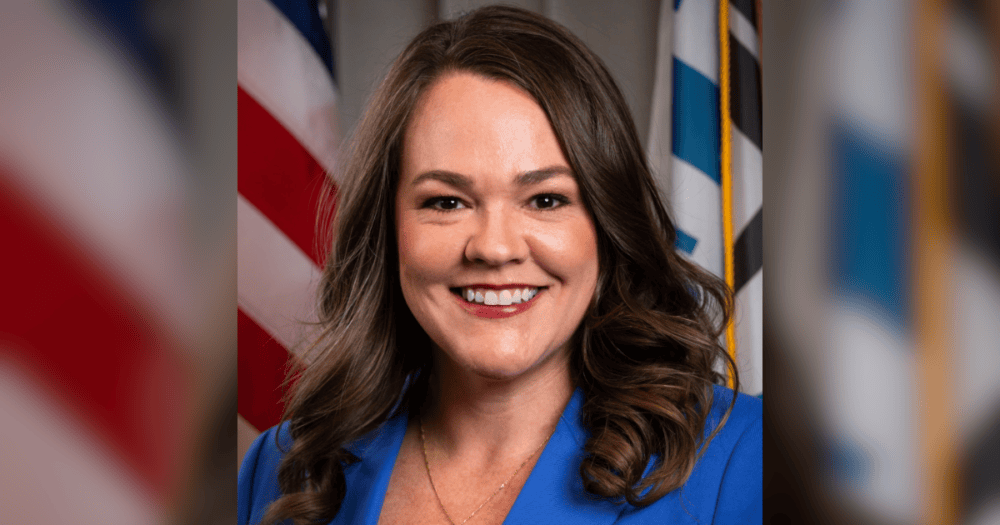
What happened: Midland Mayor Lori Blong was appointed to the U.S. Environmental Protection Agency’s (EPA) Local Government Advisory Committee, a group of state and local government officials that advises EPA Administrator Lee Zeldin on how federal environmental policies and requirements affect communities. The committee has operated under the Federal Advisory Committee Act since 1993.
Why it matters: Blong is the only Texas official among the 22 members. She joins the mayors of Cheyenne, Wyoming; Virginia Beach, Virginia; Connersville, Indiana; Lincoln, Nebraska; Pinedale, Wyoming; Yuma, Arizona; and Newberg, Oregon, as well as county officials and state legislators from across the country.
In a City of Midland press release, Blong said that she plans to bring the perspective of Midland and West Texas to the national conversation. The appointment gives Blong a formal avenue to bring concerns directly from the “energy industry that serves the entire country,” as Blong put it, into discussions that inform EPA policy, which in turn regularly affects Permian Basin oil and gas operations.
The big picture: A press release from the EPA says the committee will begin by examining the challenges local governments face in siting and developing artificial intelligence infrastructure and data centers, including how to do so sustainably. The committee is expected to discuss that work during a virtual public meeting in September.
According to the EPA, the committee’s work has historically covered issues including environmental regulations, pollution prevention, environmental protection tools, new technologies, and coordination among different levels of government. Its past work included recommendations involving drinking water, air regulations, water pollution, and hydraulic fracturing.
EPA records show that in 2022, the agency asked the LGAC for recommendations on implementing Bipartisan Infrastructure Law investments while advancing the Biden Administration’s climate and environmental justice goals. The committee recommended, among other things, expanding technical assistance for local governments and giving them a greater role in infrastructure funding decisions.
In 2024, the committee discussed clean-energy opportunities created through EPA’s Greenhouse Gas Reduction Fund, including the Solar for All program and the National Clean Investment Fund. EPA’s meeting summary also says that members identified a need for stronger climate communication strategies as they engaged with constituents on climate change.