
Fall native gardening advice
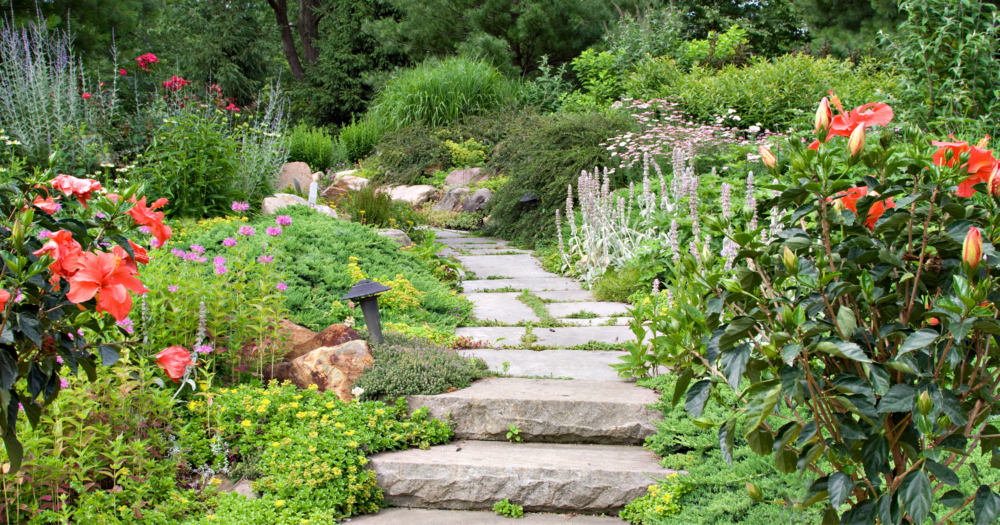
What to watch: More homeowners are asking different questions about their yards. Instead of how to keep a lawn perfectly green, they want to know how to cut the water bill, which plants will survive July, and what will actually grow here without constant correction. The shift is happening, and the practical steps are straightforward.
The big picture: A landscape in Midland shouldn’t necessarily look like one in East Texas. Thirsty turf and non-native shrubs require more water and more maintenance than the climate supports. Replacing even part of that lawn with plants that evolved in this region lowers water use, reduces weekly work, and gives local birds and pollinators something they can actually use.
True native plants have spent generations adapting to West Texas heat, alkaline soil, and limited rainfall. A nativar is a cultivated variety of a native plant bred for traits people prefer, like disease resistance or smaller size and brighter color. When you shop, check the label. Natives are usually listed with just the botanical name and ‘household’ name, for example Leucophyllum frutescens (Texas sage). If the tag adds a name in single quotes like Salvia greggii ‘Furman’s Red’, that is a nativar. The quoted name means the plant was selected or bred for different traits.
How to start
Begin with a small area instead of the whole yard. Pick one bed, one side of the house, or one stretch of the front lawn that is already struggling and replace it with plants that handle Midland conditions once established. Best practice is to plant in the fall so the roots form before freezes and the summer heat. Water deeply while the plants are getting established, then taper off when new growth looks steady. Mulching around the new plants helps hold that moisture and keeps the roots cooler. Once you get that first section working, you can expand or take on larger projects.
What works for Midland climate
Autumn sage, Texas sage, and Mexican bird of paradise are all native, heat-loving shrubs with beautiful blooms. Winecup (Callirhoe involucrata) and red yucca (Hesperaloe parviflora) both sends out trailing stems with cup-shaped or tubular flowers. Blackfoot daisy (Melampodium leucanthum) and prairie verbena (Glandularia bipinnatifida) are mounding plants with small singular and clustered flowers. Buffalo grass (Bouteloua dactyloides) is a low native turf that stays green with far less water than common lawn grasses.
-
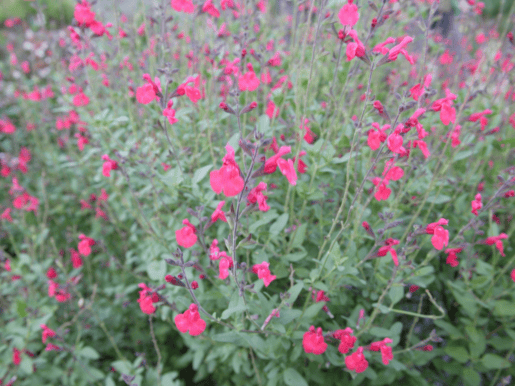
- Autumn Sage
-
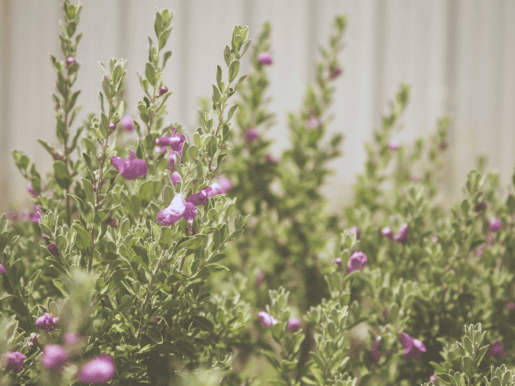
- Texas Sage
-
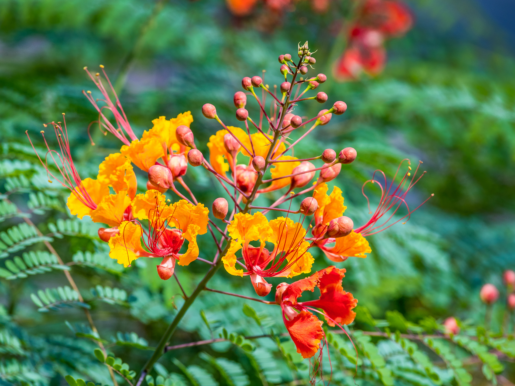
- Mexican Bird of Paradise
-
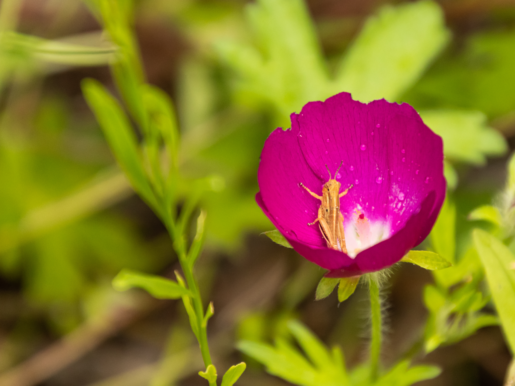
- Winecup
-
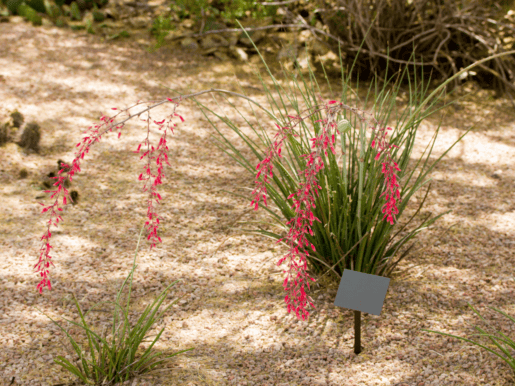
- Red Yucca
-
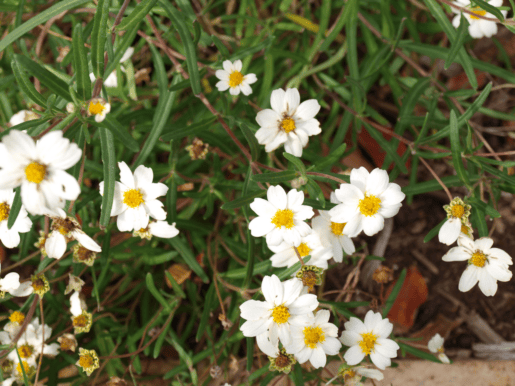
- Blackfoot Daisy
-
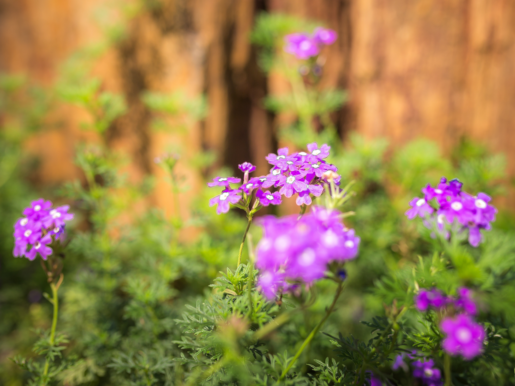
- Prairie Verbena
-
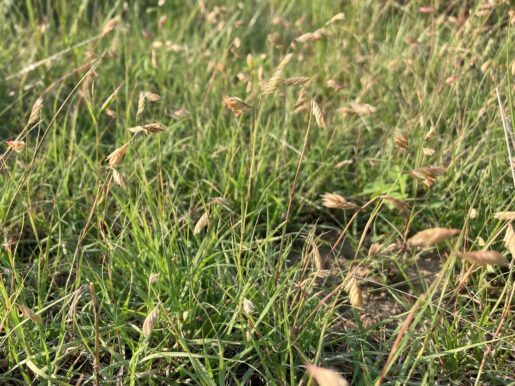
- Buffalo Grass
If you want a bigger challenge, desert willow (Chilopsis linearis) is a small native tree with narrow leaves and orchid-like pink or lavender flowers. Larger yuccas and agaves also suit hot, exposed spots once they are established. The main requirement for most of these plants is full sun and soil that drains quickly.
The bottom line: Start with one bed, use plants that already survive Midland’s heat and low rainfall, and check the tag for real natives. The yard will use less water, need less weekly attention, and look like it belongs in Midland. For plant lists and local advice, contact the AgriLife office in Midland at 432-686-4700 or visit westtexasgardening.org.
by Mary Sirgo and one by Emmy Ulmschneider, both Permian Basin Master Gardeners.