
What your child will actually learn in Texas’ new civics lessons
Editor’s note: This is Part 4 of a four-part series on the new civics instruction coming to Texas elementary schools this fall and the training Texas teachers and administrators completed this summer to deliver it. Part 1 is an overview. Part 2 examines the law and the lawmakers behind it. Part 3 goes inside the teacher training. Part 4 enters the classroom.
Catch up quick: Part 1 review — Texas elementary schools will begin teaching a structured civics program built around the nation’s founding documents this fall. Part 2 review — That program traces to a 2021 state law, and the materials the whole state will use were built here in Midland. Part 3 review — The teachers and administrators who will deliver it are spending two days this summer working through the same lessons their students will.
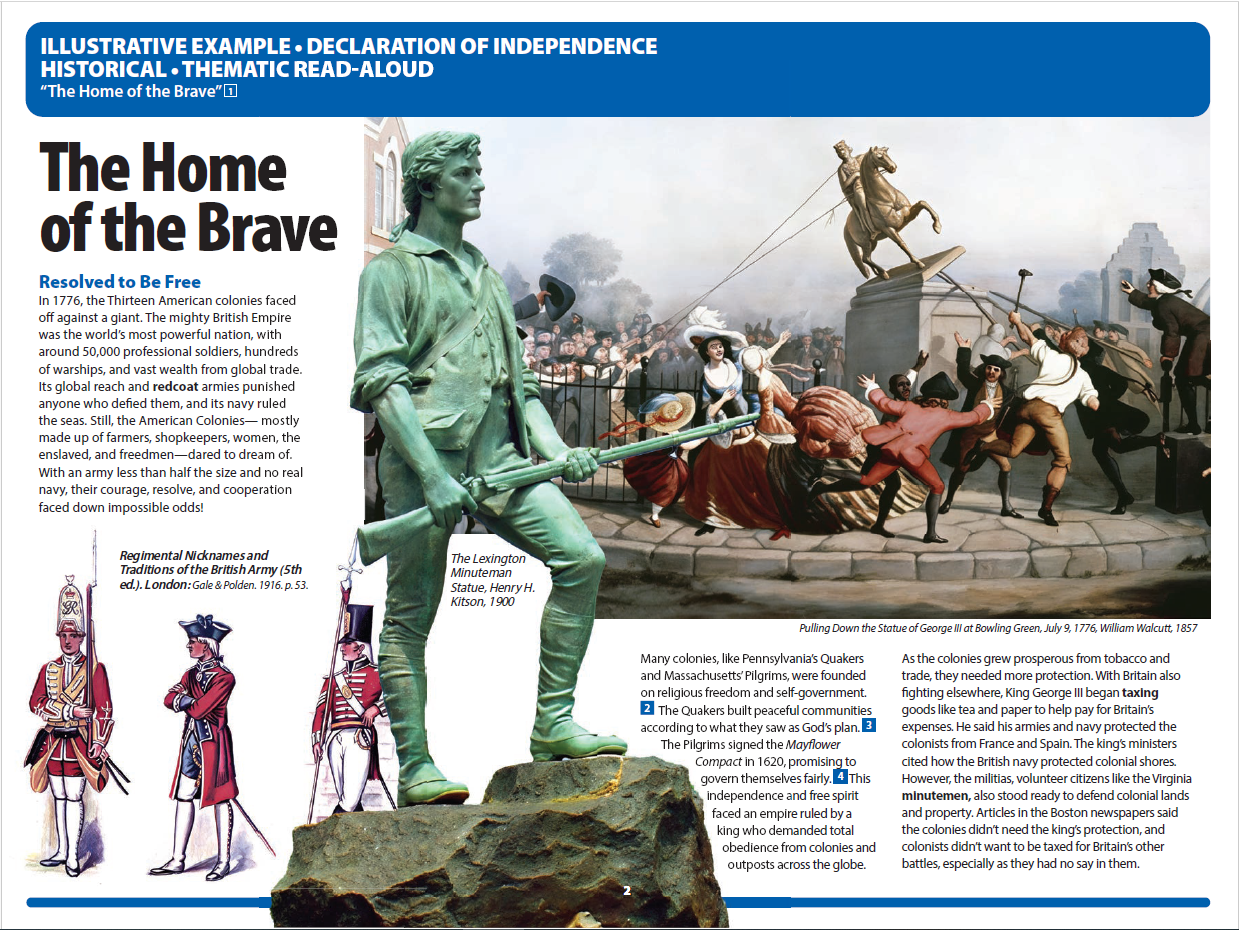
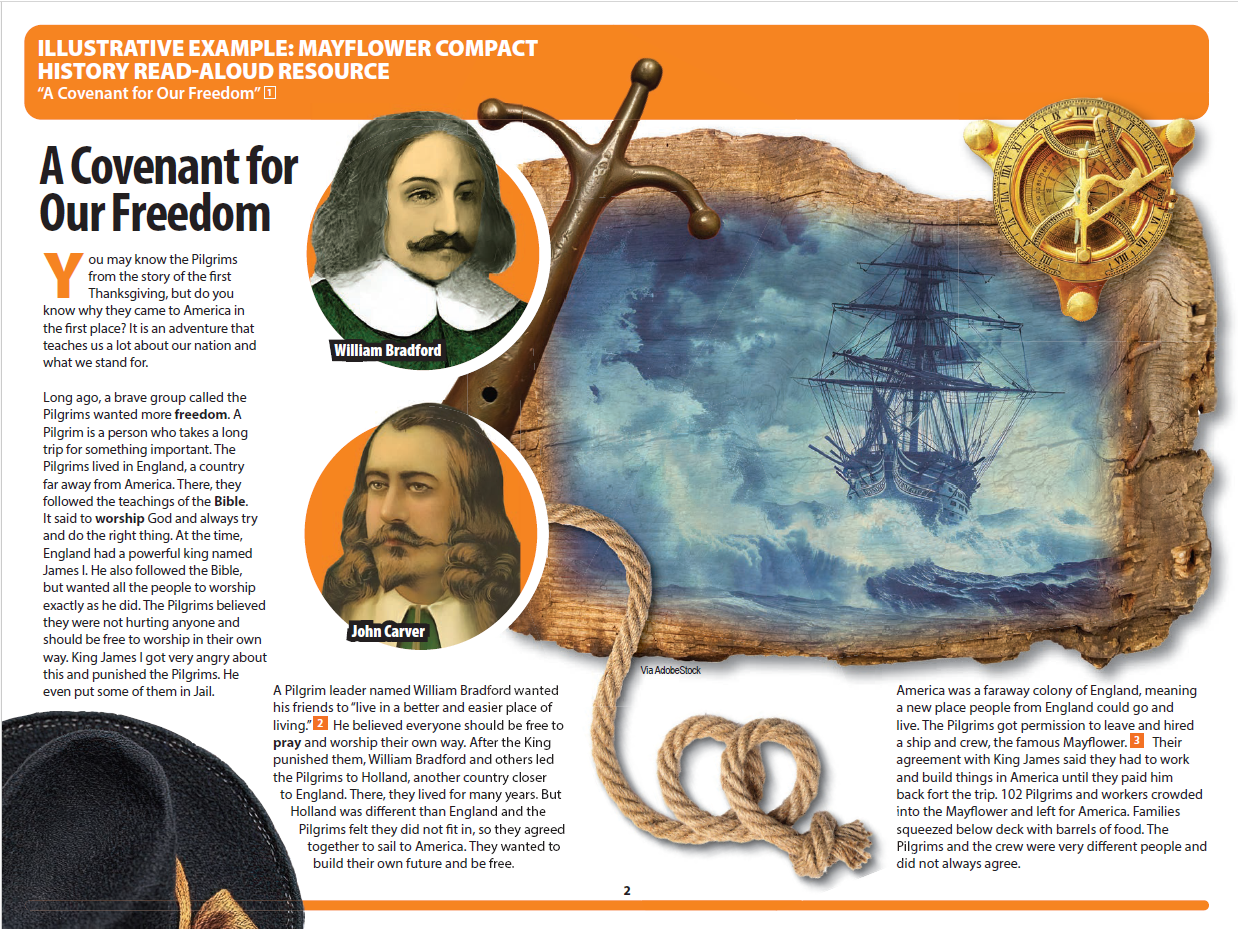
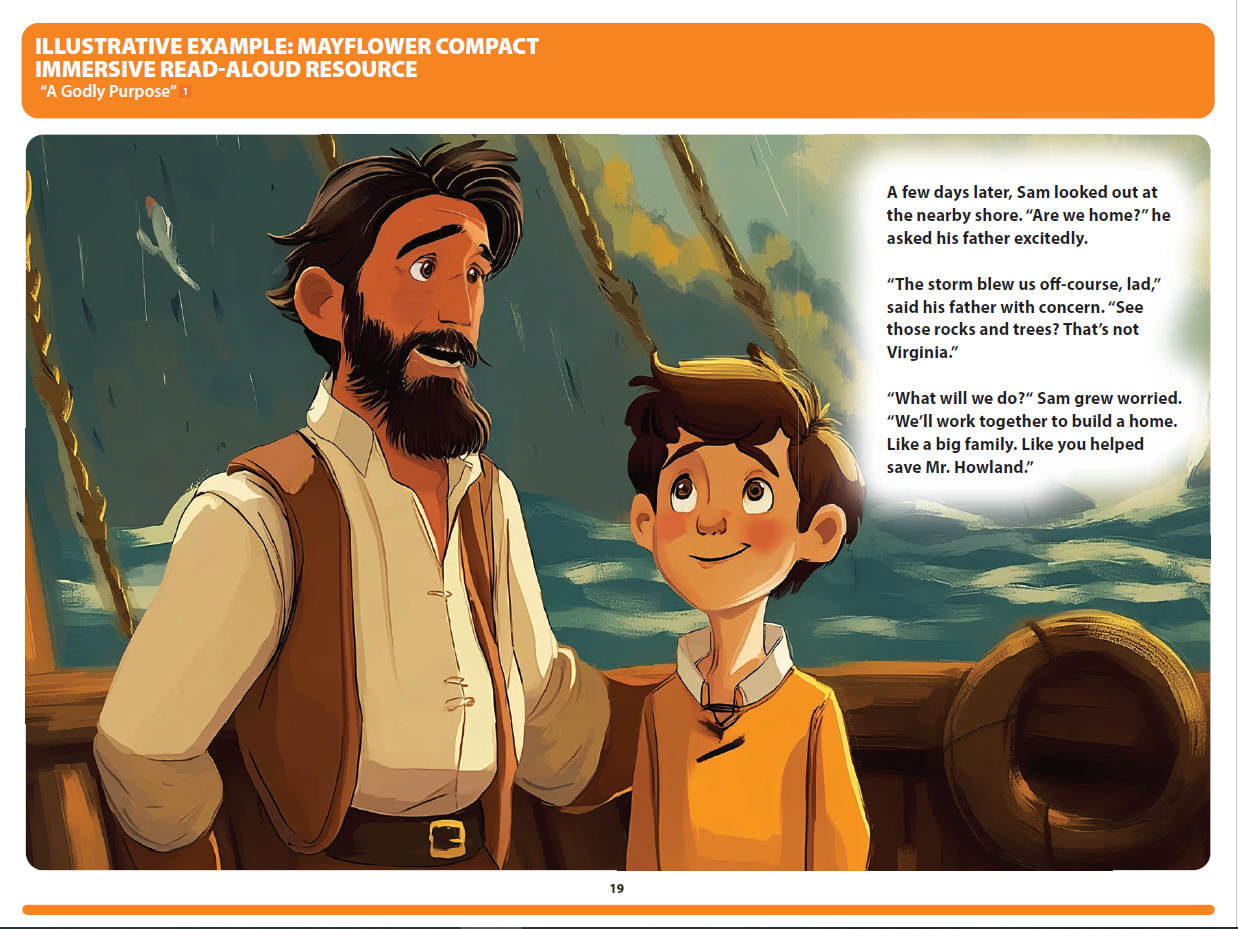
What to watch: When a Midland elementary public school student sits down in class this fall, they’ll soon begin reading the Mayflower Compact. Later in the year, they’ll pick up the Declaration of Independence and the U.S. Constitution. This won’t be a simplified summary in a textbook, but the actual document, read in the child’s own hands.
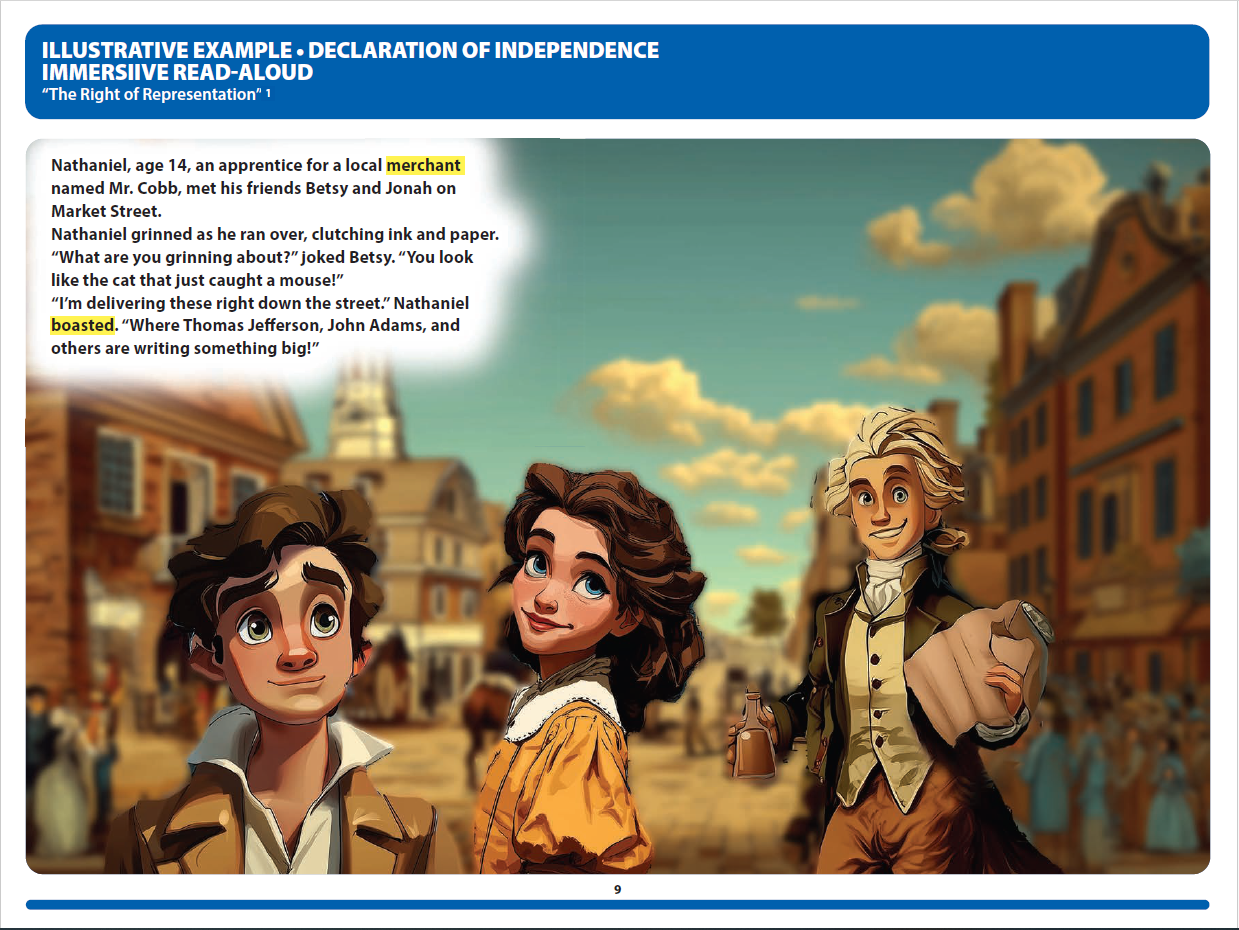
The obvious question is how we would expect a kindergartener to understand these complex documents, but the state’s new civics program anchors the reading in what a young child already understands.
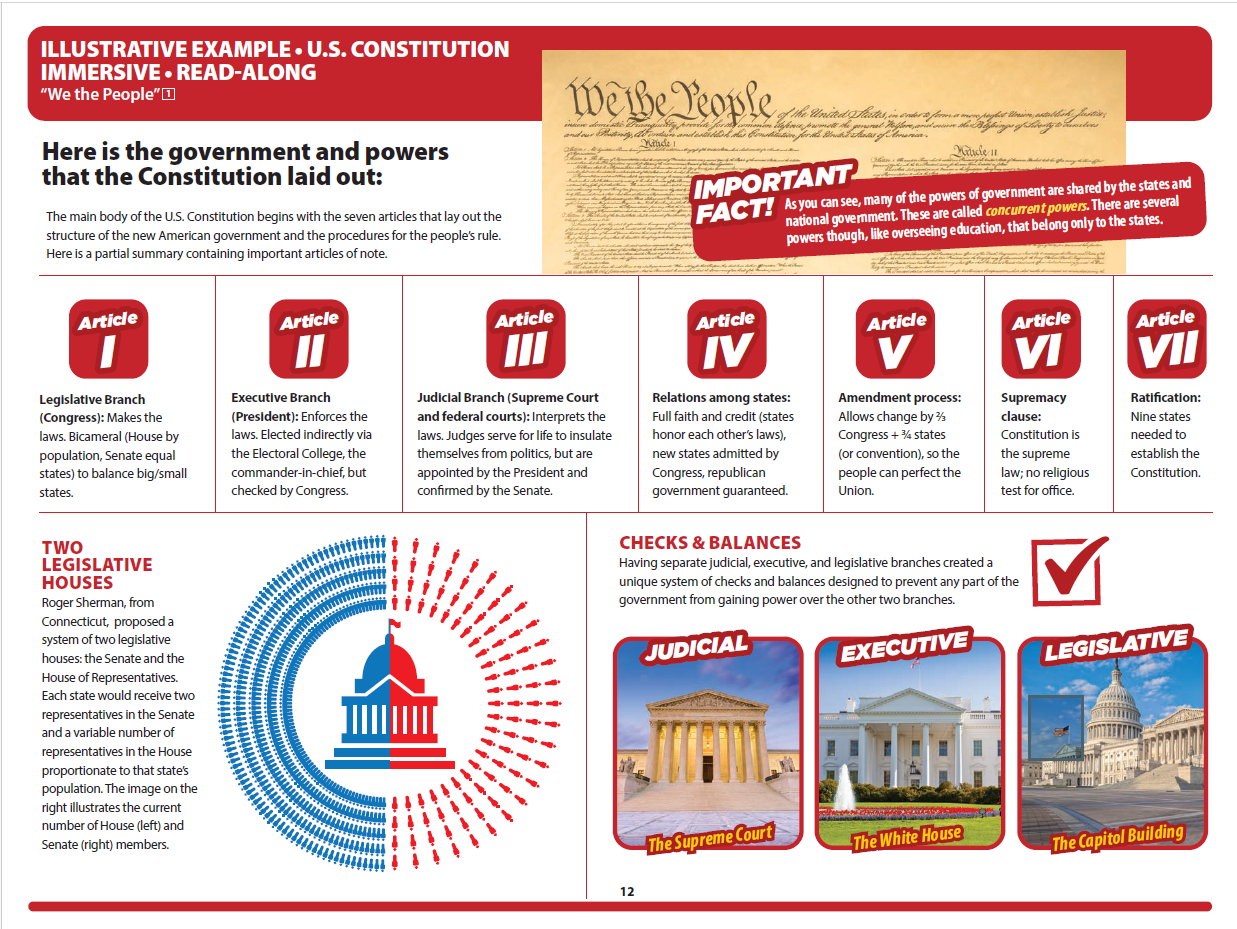
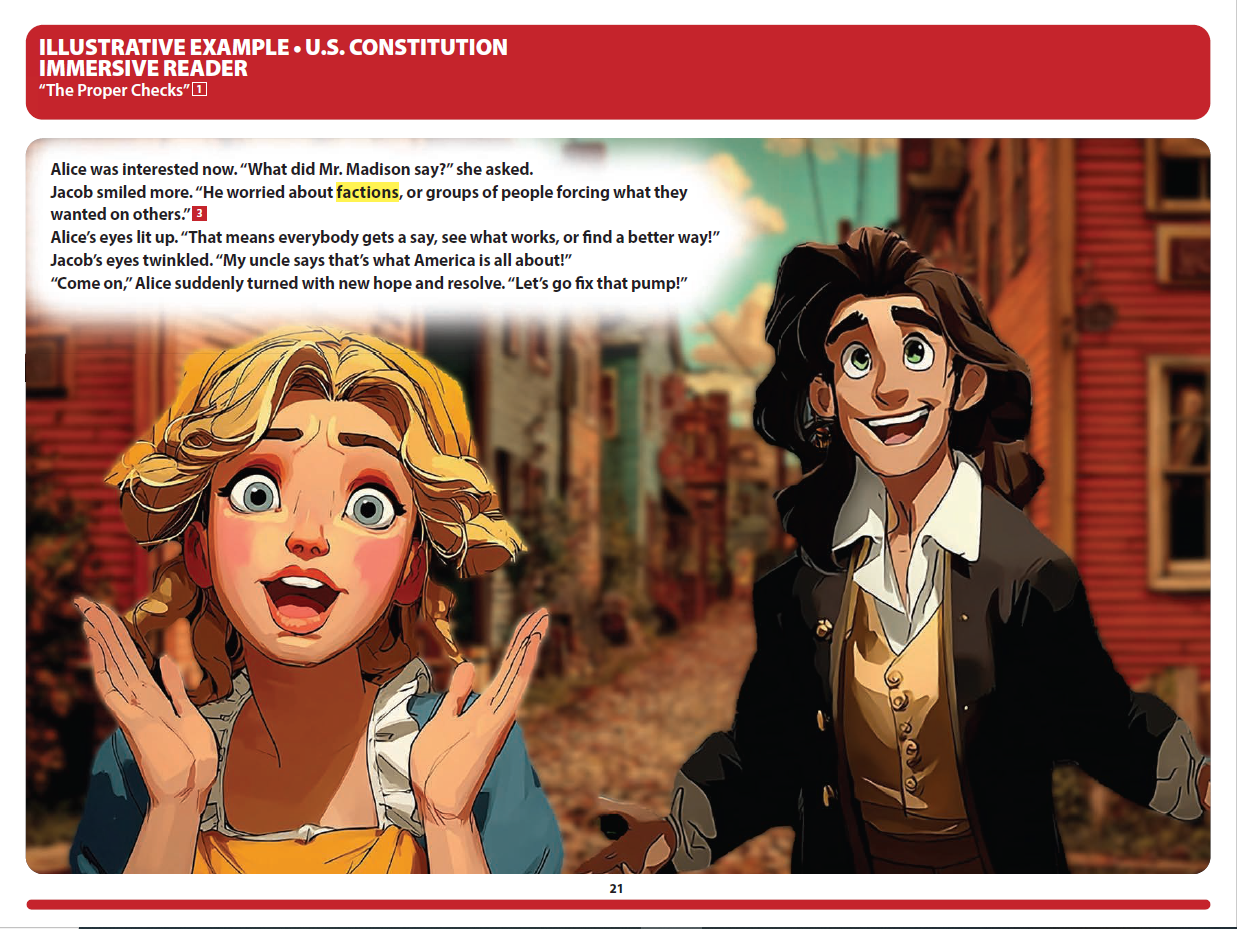
The Mayflower Compact’s idea of a “civilbody politic” is introduced through simple classroom rules. The Declaration’s “unalienable rights” are explained in terms of fairness and personal choices. The Constitution’s “We the People” is presented through classroom teamwork.
From there, the same documents return year after year in front of students, taught in greater depth each year, through what the program calls a “spiral” approach.
-
- Civics Training Program for Teachers and Administrators
-
- Civics Training Program for Teachers and Administrators
Why it matters: Texas is beginning the biggest change in how it teaches civics to public school children in a generation. As Dr. Dewitt Smith, Executive Director and CEO of the Region 18 Education Service Center, explained to The Permian Press, they built the program on the premise that we must teach civic knowledge early, from original sources, and repeat it until it sticks. Smith led the team that built and delivered the new civics training statewide.
“Where do you get American patriotism?” Smith said.”You get it by being informed through our source documents.”
The big picture: The team involved built the civics materials around a fixed set of founding documents, read in chronological order: the Mayflower Compact, the Declaration of Independence, the Texas Declaration of Independence, the U.S. Constitution, and the Bill of Rights. Students revisit those same documents year after year, studying them in greater depth as they get older, and deliberately reading them in order.
“Once you start getting out of chronology, it’s harder to make cause and effect,” he said.
The program uses the founding documents to introduce concepts including natural rights, equality of opportunity, the rule of law, free enterprise, personal responsibility, checks and balances, limited government, freedom of speech and religion, work ethic, and American exceptionalism.
-
- Civics Training Program for Teachers and Administrators
-
- Civics Training Program for Teachers and Administrators
Go deeper: Instruction begins this fall with elementary grades K-5. In kindergarten, the core documents come to life through familiar symbols, patriotic songs, monuments, stories of key historical figures, and the Pledge of Allegiance.
By fourth grade, students are still reading the same cornerstone texts but with more depth, and they add early Texas primary sources, such as the Texas Declaration of Independence, along with historical maps, the mechanics of voting, the duties of citizenship, and the basics of local and state government.
Secondary instruction for grades 6-12 may include rigorous structural analysis of the Declaration, the Constitution, the Bill of Rights, the Federalist Papers, and landmark cases. Secondary-grade materials are set to follow next year, pending approval from the State Board of Education.
Key points: Senate Bill 3 required the Texas Education Agency to develop the civics training program and specified many of the topics it must include. Smith’s team made other choices based on what they viewed as the “spirit” of the bill. The Permian Press discussed with Smith how the program approaches several subjects that some parents might have questions about.
- Religious texts: The civics materials treat the Bible and other Judeo-Christian writings as primary historical and literary sources rather than as devotional material. When a document references scripture, such as Frederick Douglass’s “Narrative of the Life of Frederick Douglass,” Martin Luther King Jr.’s “Letter from Birmingham Jail,” or Thomas Paine’s “Common Sense,” the referenced text should provide context.
“It’s not proselytizing,” Smith said. “It’s using primary sources that are referenced to fill in where there may be a knowledge gap.”
The Bible gets the same treatment as any other ancient primary source in the materials, and SB 3 requires teachers to handle such material objectively and free from political bias. When a text students are reading draws on an older source, they go back to that source, because, as Smith put it, you have to understand the context to understand the text.
- Market economics: Free enterprise is one of the program’s 12 defined civic ideas, or building blocks, and its materials describe free-market capitalism through the lens of primary-source documents. The program does not discuss it as a present-day political argument, but as the founders’ economic counterpart.
“The spirit of the bill [makes] a strong point that America is what it is because of capitalism, and free market economics, and meritocracy,” Smith said. “We weren’t trying to do anything but honor ‘what’s the bill saying?'”
The program does not ask teachers to sell capitalism so much as to anchor it in the founders’ own words. At the elementary level, lessons begin with ideas that young children already understand, such as ownership and respect for another person’s property. Similar to religious texts, SB 3 requires teachers to handle the material objectively and free from political bias, returning to the state’s definitions rather than their own opinions.
- Media literacy: Senate Bill 3 requires the program to teach students to verify information and sources, identify logical fallacies, and recognize propaganda. In an evolving world of artificial intelligence and digital content, the program directs students not to take what they see at face value but to trace a claim back to its primary source.
“It’s a combination of a librarian or an English teacher,” Smith said. “We don’t want [students] to write a paper and then they’ve used some bogus site [to source from].”
When asked about SB 3’s prohibition on inculcation, Smith said that the same standard that governs religious and economic material applies to all topics. The program argues that a student trained to question unsourced claims and trace information back to its original source is harder to indoctrinate. It presents that teaching children to verify before forming beliefs is a safeguard against propaganda.
-
- civics.tea.texas.gov
-
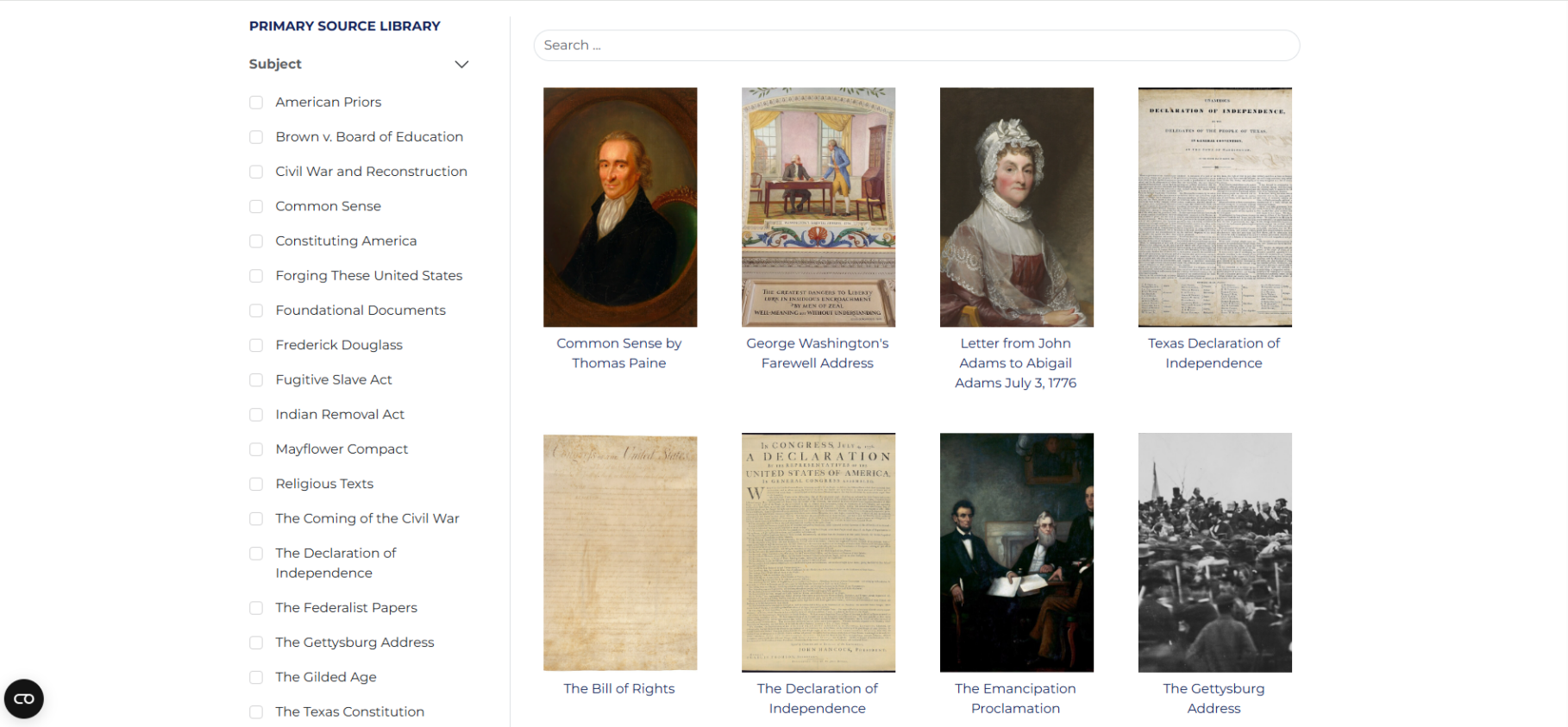
- Primary source library
The bottom line: Smith repeatedly returned to the idea that the program should provide teachers and students with a common foundation rather than a script. The documents, the chronology, and the defined concepts, in his telling, are there so that a Texas classroom in Midland and one in Houston are working from the same starting point, and so that, by the time a student reaches high school, the founding texts already feel familiar.
What’s next: The first wave of training for teachers and administrators is already underway. The 20 regional education service centers across Texas are training elementary teachers and administrators this summer, for two days at a time, so the instruction reaches elementary classrooms this fall.
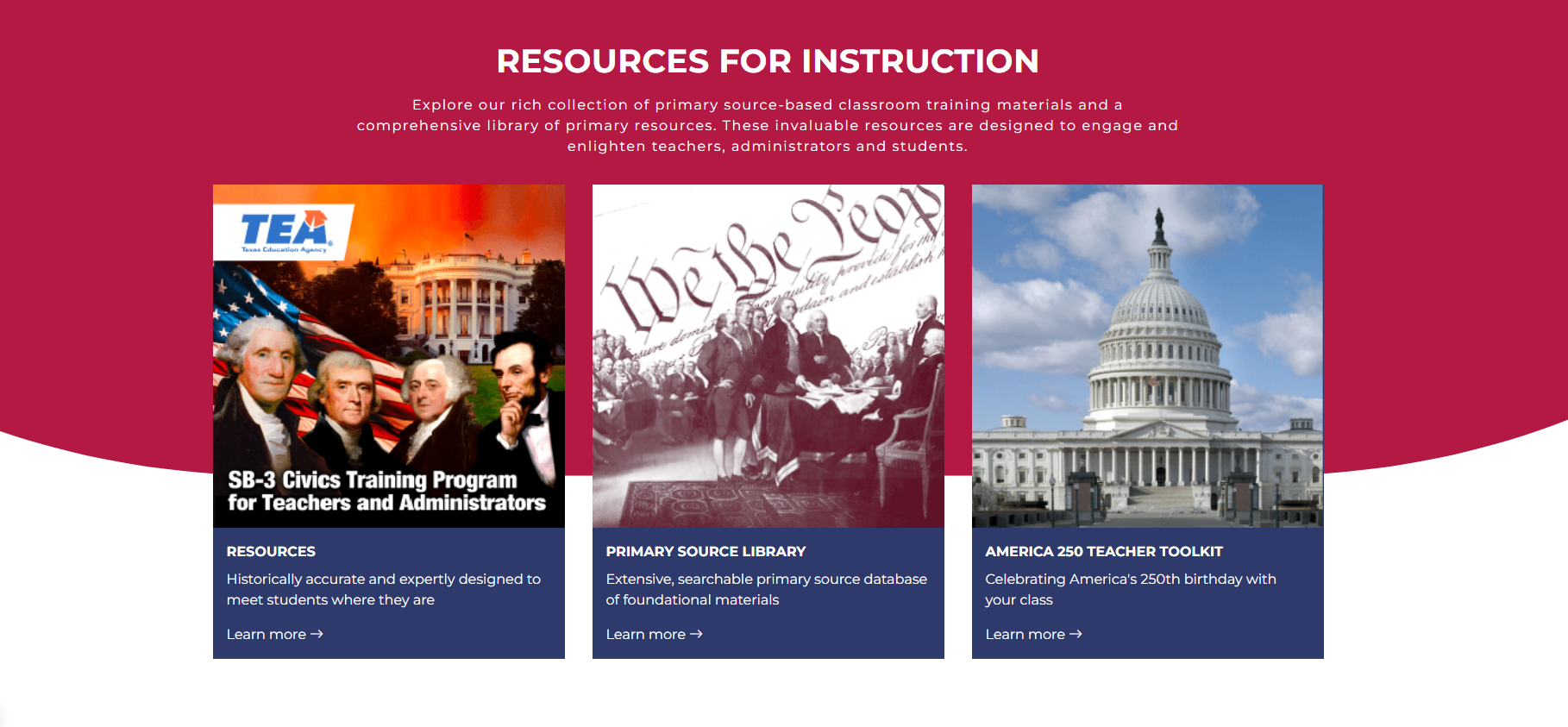
Parents who want to see the material their children will read can find it themselves through the state’s public primary-source library, civics.tea.texas.gov. This public library makes its materials equally available and free to use for private schools, homeschool parents, co-op organizations, or individual citizens looking to brush up on their country’s history.