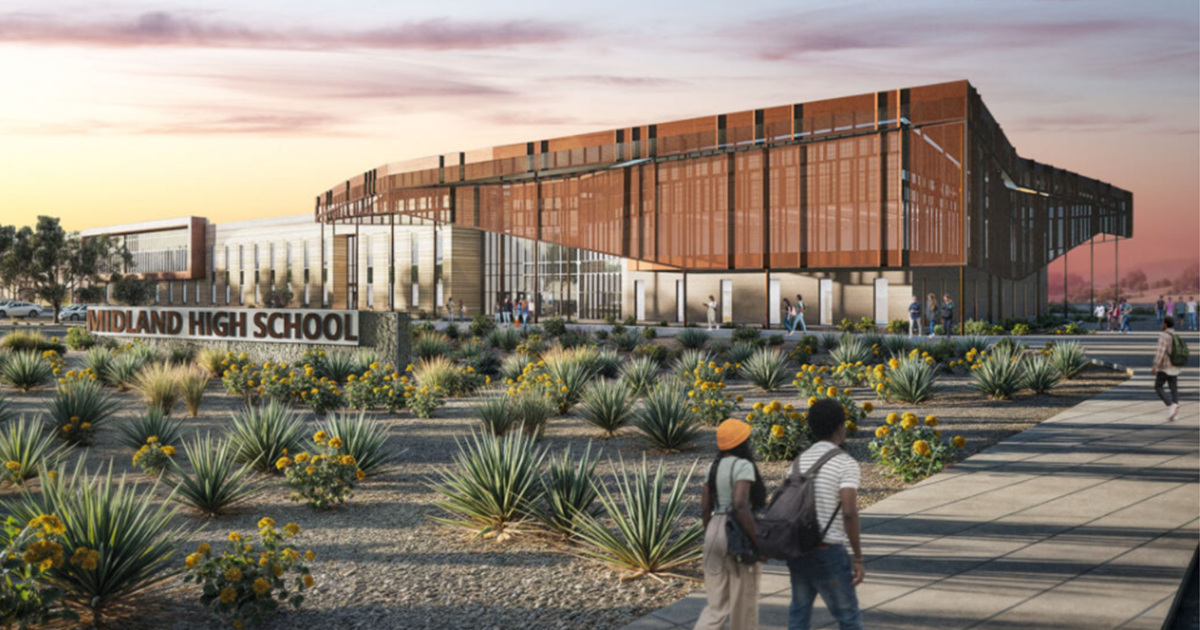
Pipeline under Midland High site poses costly challenge
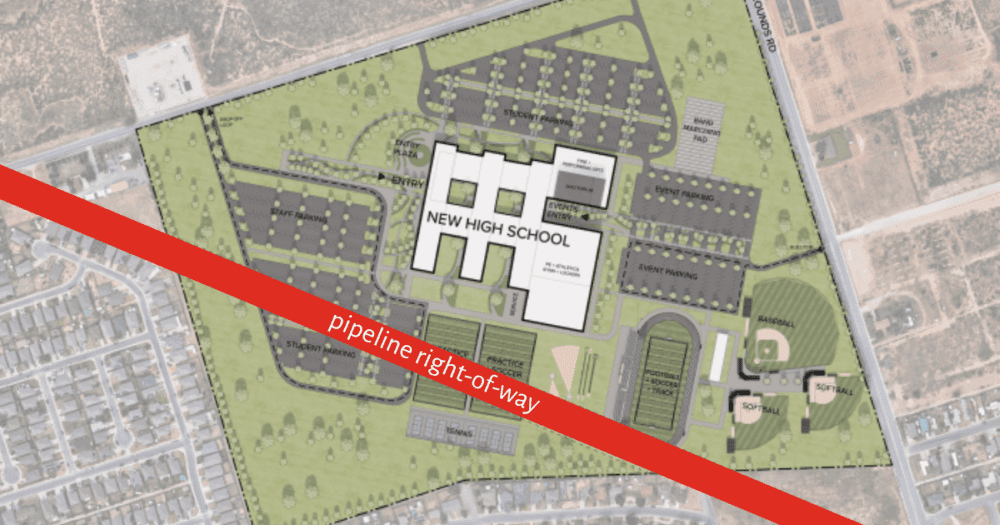
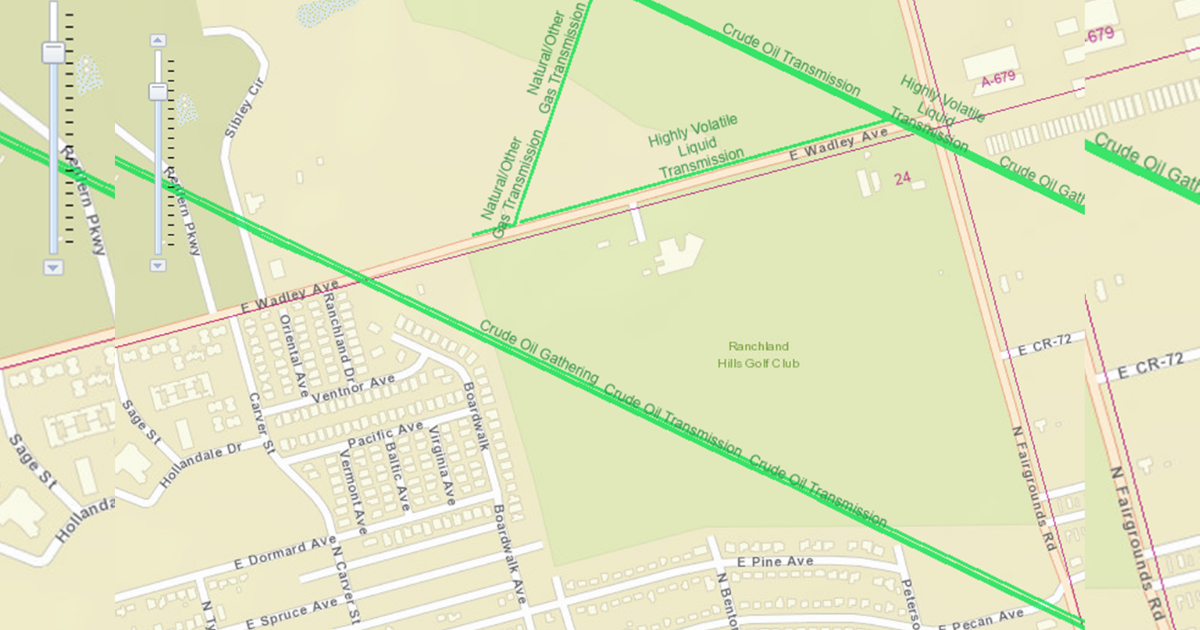
What happened: When Midland ISD bought the 117-acre former Ranchland Hills Golf Course in 2019, it also inherited a 4-acre easement dating back to 1956 containing an active crude-oil pipeline. The line, now operated by Energy Transfer, feeds the Midland tank farm. MISD will likely now need to decide whether to redesign its future Midland High campus around the right-of-way or negotiate with Energy Transfer to relocate the line.
Why it matters: Trustees recently discussed the issue publicly, with some expressing frustration that district leaders or bond advisors hadn’t disclosed it sooner. The discussion raises questions about oversight as the district builds a $1.4 billion bond-funded high school. Because Energy Transfer holds a permanent easement, MISD cannot pave or build over the strip without consent, and the company has no obligation to move it.
Go deeper:
- A pipeline right-of-way grants an operator the legal authority to access and maintain the line. The agreement prohibits building or paving within the corridor, and anyone wanting to dig must first get written permission. According to site renderings, the easement crosses planned areas for roads, parking lots, and a track. Therefore, the district may need to modify or relocate those elements to comply.
-
In 1956, Ranchland Hills Golf Club granted Magnolia Pipe Line Company an 85-foot-wide easement through the course. Centurion later passed those rights to Energy Transfer. The golf course didn’t require roads or permanent structures through the easement, so the restriction made sense. The pipeline provided a route transporting oil from the Levelland and Andrews areas to the Midland tank farms near Fairgrounds Road.
Midland’s top stories. One quick email. Free, every Friday.Get Midland Wrapped, our free weekly email for busy Midland residents. Each Friday, we break down the week’s most important local stories — what happened, why it matters, and what to watch next — so you can stay informed without the noise. -
When MISD purchased Ranchland, the easement remained in effect and would have likely appeared in the property’s records. After voters approved Ranchland as the new Midland High site in November 2023, the board hired Dunaway & Associates for surveying, Pfluger Architects for design, and several geotechnical firms. Public project updates have shown progress, but haven’t referenced the pipeline.
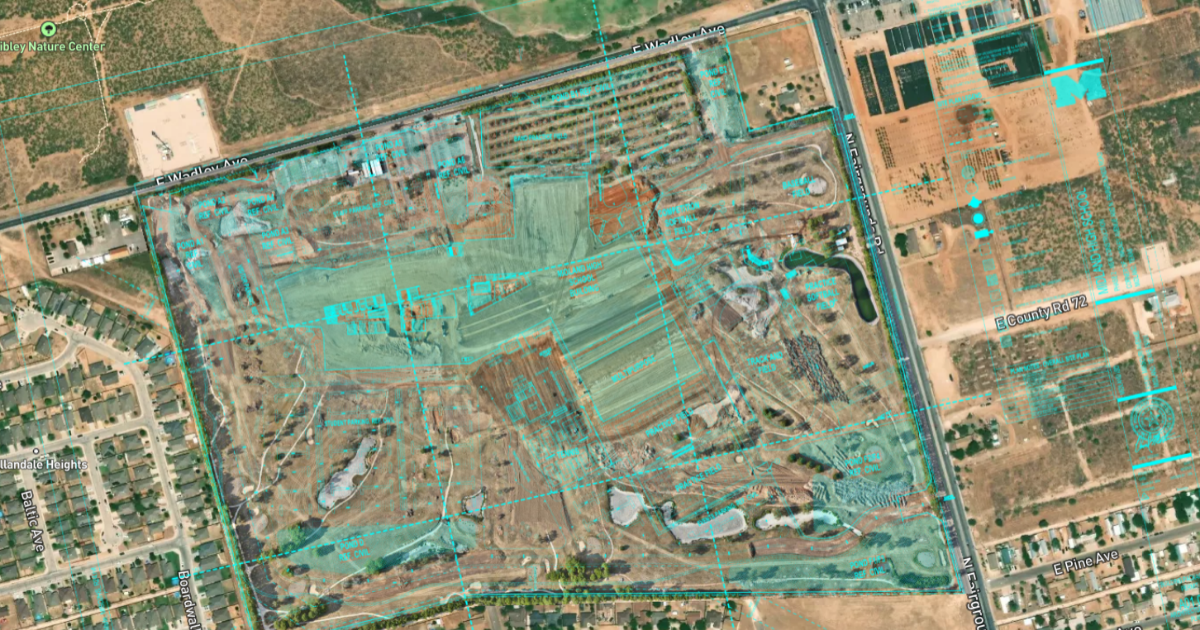
What they’re saying: At a recent meeting, Trustee Matt Friez alleged that a site-prep contractor failed to inform the board after reportedly striking a line. He briefly proposed dissolving the bond advisory committee, citing transparency concerns, before later withdrawing the idea. Advisory member Jarrod Sparks countered that the committee includes experienced construction professionals and urged trustees to rely on that expertise.
The other side: MISD purchased the property six years ago, raising questions about why neither the district nor its advisory committee addressed the easement sooner. The district and Energy Transfer may have already begun private negotiations to reach a solution, but neither Friez nor the committee has commented publicly on the current status.
The bottom line: MISD faces three main options, but each carries trade-offs in cost, safety, and long-term maintenance.
-
Reroute the pipeline around the site perimeter
-
Pro: Rerouting the line would give MISD full control of the land and remove all conflicts with the easement. It would also resolve safety concerns tied to building over an active crude-oil line and prevent future disruptions for maintenance or inspections.
-
Con: The solution would be costly and time-consuming. Energy Transfer has no obligation to relocate the line, so MISD must cover any relocation cost, likely millions, including engineering, permitting, and construction.
-
-
Leave the line in place and build non-structural uses above it
-
Pro: Keeping the line where it is would save money and avoid delays. With Energy Transfer’s consent, MISD could likely use the corridor for items that don’t require foundations.
-
Con: This option limits future flexibility. Maintenance or repairs could disrupt use of those areas, and MISD would have to guarantee 24-hour access for the operator. The easement would restrict future development in that zone.
-
-
Redesign the campus to avoid the easement
-
Pro: Redesigning around the corridor would let MISD continue construction without relocation costs or coordination delays. It keeps the project under district control and ensures compliance.
-
Con: The trade-off is efficiency. Shifting layouts could push parking, drop-offs, or athletic fields into less practical spots and add secondary costs in grading, drainage, or utilities. It’s cheaper upfront, but could result in a less functional long-term design.
-
Between the lines: Safety, cost, time, and transparency should all shape MISD’s decision. The design must include proper setbacks and emergency access near hazardous infrastructure, meaning the district can’t treat the pipeline as a minor issue. Each option carries costs now or later and could affect both the campus’s budget and the schedule.