
What comes next for the 1,270 students at IDEA Travis?
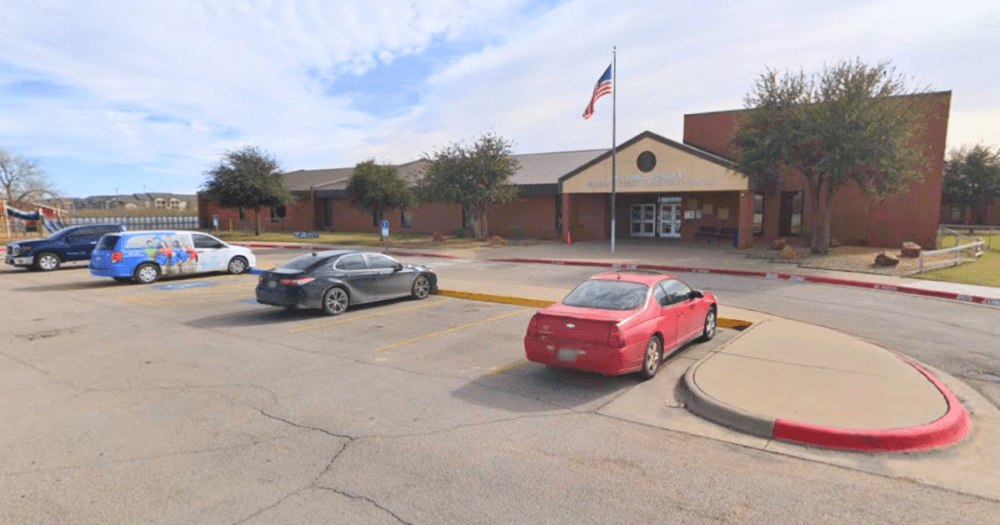
What to watch: The Midland ISD Board of Trustees will meet on Friday, April 17, to discuss the future of IDEA Travis, who has now reached a decision point under its Senate Bill 1882 partnership contract with the district.
Under SB 1882, districts partner with outside organizations to run specific campuses in exchange for extra state funding and more flexible rules, but the schools must meet performance goals set in their contracts. IDEA Travis has held a Texas Education Agency accountability rating of D for the past three years in a row, a trigger in its 1882 contract that allows the district to terminate the partnership.
Why it matters: IDEA Travis was B-rated in 2022. The previous MISD-operated Travis Elementary was F-rated in 2019 before transferring to IDEA Public Schools. The state didn’t issue accountability ratings in 2020 or 2021 due to the COVID-19 pandemic. In 2025, IDEA Travis did not meet or exceed the state average on any of its nine STAAR assessments.
It is objectively unacceptable for children to attend a failing school for three consecutive years. Moving forward, the board’s decision should be based solely on what is best for those children. What option offers the strongest chance of improving outcomes without creating unnecessary reset?
Catch up quick: A termination of the partnership by MISD alone requires public hearings and must be approved by a 75 percent vote, or six of the seven board members, confirmed across two separate meetings, with the change taking effect at the end of the school year. A mutual termination by MISD and IDEA Public Schools requires only a mutual written agreement and can be effective at the end of the school year.
IDEA Travis is the only 1882 partnership campus in IDEA’s network, which spans 143 schools across three states. At the same time, IDEA is preparing to open IDEA Henry, a standalone charter campus in Midland for the 2026–27 school year. For the first time, IDEA will have a presence in Midland that does not depend on a district partnership.
The big picture: It has been publicly apparent for years that the partnership itself has been strained, with neither MISD nor IDEA fully aligned with the partnership. With that in mind, the board’s decision will likely focus on which structure should replace the partnership that best benefits the children it intended to serve. We do not yet have direction either party will take, but the below are the logical available options at hand:
- One path would be to end the partnership and work with IDEA to prioritize Travis students for enrollment at IDEA Henry when it opens. That approach would preserve continuity for families who chose the IDEA model while removing the governance structure that has created tension between the district and the operator.
- Another path would be to terminate the partnership and negotiate for IDEA to purchase the Travis building as a show of commitment to the students and Midland and operate the school as a standalone charter. That option would also preserve continuity for families, allowing students to remain in place while removing the 1882 governance structure. It would also align the campus with how IDEA operates elsewhere.
- A third option would be for MISD to end the partnership and bring Travis back under full district control. That would require the district to rebuild staffing, as IDEA employees are not district employees.
- MISD could also end the partnership, shutter the Travis campus, and distribute those students across other campuses. This would likely require minimal, if any, increase in staffing.
- A final option would be that the district could also choose to maintain the 1882 model while replacing IDEA with a different operator. That would preserve the autonomy-based structure intended to drive turnaround performance but would introduce another transition for students.
The other side: Several other MISD campuses have performed at or below similar levels over the same period as IDEA Travis. If the board uses performance thresholds as a basis for action in this case, it raises the question of how it will apply those same standards to its own operated campuses across the district.
The bottom line: The current IDEA model has not delivered the results outlined in either state accountability standards or IDEA’s own performance targets. At the same time, the prior MISD model did not produce those results either.