
Why do we wear green on St. Patrick’s Day?
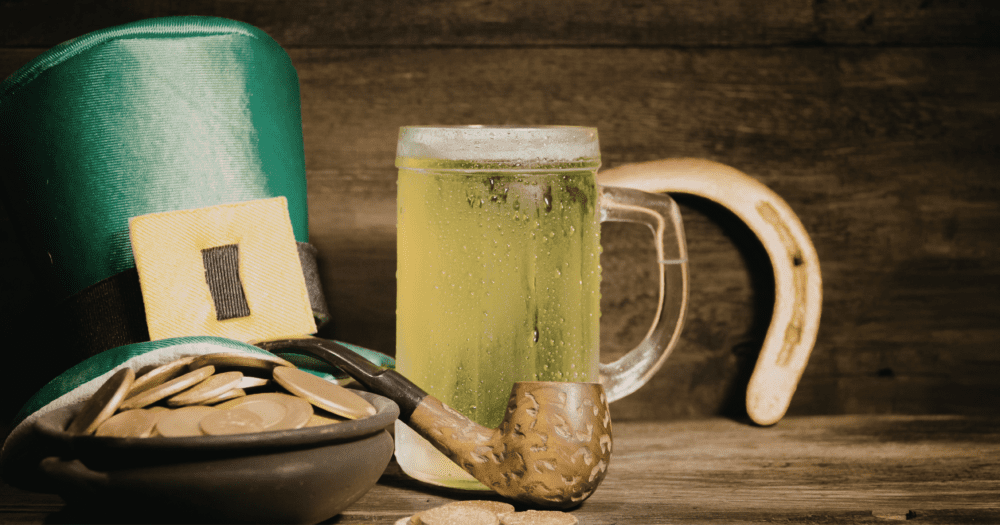
What to watch: Ever wonder why we wear green on St. Patrick’s Day, or how the shamrock became its symbol? The March 17 holiday honors Ireland’s patron saint, but it has grown into a global celebration of Irish heritage that shows up even in Midland. What began as a religious feast day has evolved into a mix of history, culture, and celebration.
The big picture: Who was St. Patrick? St. Patrick was born in Roman Britain around 385 AD. At age 16, Irish raiders captured him during an attack on his family’s estate and took him to Ireland, where he spent six years working as a shepherd.
During that time, he turned to prayer and developed a strong Christian faith. After escaping and returning home, he studied for the priesthood and later returned to Ireland as a missionary around 432 AD.
Over the next 30 years, he traveled widely, preaching, baptizing thousands, establishing churches, and ordaining clergy. Tradition holds that he used the three-leaf shamrock to explain the Trinity: the Father, the Son, and the Holy Spirit. His work helped convert much of Ireland to Christianity. He died on March 17, likely in 461 AD. That date became the foundation for the annual celebration.
Go deeper: How did the holiday spread? By the early 1600s, March 17 had become a religious feast day in Ireland, centered on church services and family meals.
The celebration expanded in the United States as Irish immigrants arrived in large numbers in the 1700s and especially after the Great Famine in the 1840s. The first recorded St. Patrick’s Day parade took place in New York City in 1762, organized by Irish soldiers in the British army, with other cities soon following.
Zoom out: Why do we wear green? Wearing green became popular in the 18th century, tied to Ireland’s nickname, the “Emerald Isle,” and the symbolism of the shamrock. Other customs developed in the United States, including the playful tradition of pinching those not wearing green. In Chicago, the river has been dyed bright green each year since 1962.
Music and dancing are also central to the holiday, with Irish step dancing, fiddle music and bagpipes common at celebrations. Food plays a role as well, from traditional meals to green-themed desserts and drinks. Irish folklore adds another layer, with leprechauns and pots of gold becoming familiar symbols, especially for children.