
Constables: what is required, what do taxpayers want?
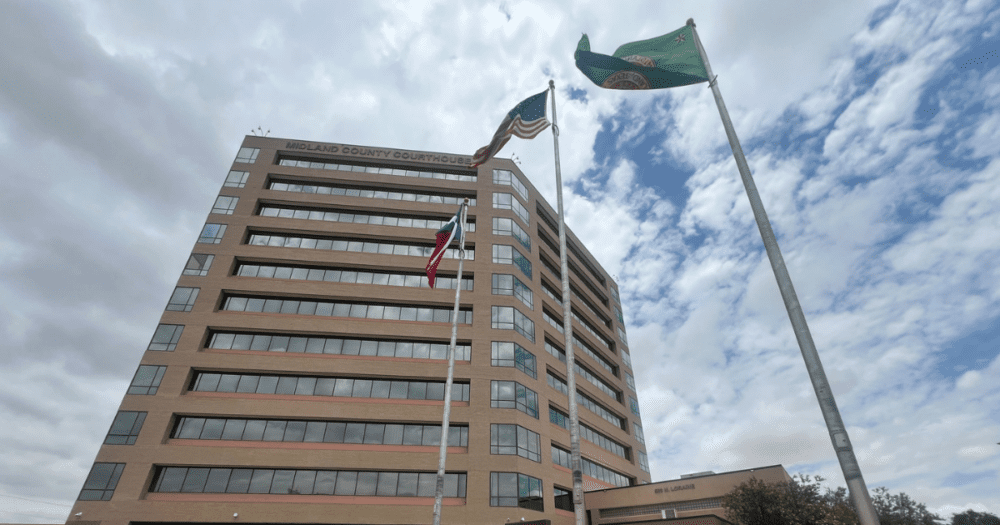
What to watch: The Midland County Commissioners Court has been debating for several months now whether Midland County’s four elected constables need deputies. But their discussions have largely skipped over the core questions: what are constables legally required to do, and what should the court fund them to do?
The issue resurfaced during their Feb. 3 meeting, when commissioners voted 3–2 to reinstate a deputy constable position for Precinct 4 Constable Jamie Hall, outside the normal annual budget cycle, using contingency funds.
Why it matters: The constable staffing debate is ultimately about how Midland County Commissioners decide when additional taxpayer spending is justified. Without a clear evaluation of law enforcement spending relative to service levels, staffing decisions can shift from long-term system planning intended to best benefit the county as a whole to case-by-case determinations driven by political motivations.
The big picture: What are constables actually required to do? Texas law requires constables to serve civil court papers, execute writs and court orders, and support justice courts. That includes serving civil citations, handling eviction paperwork, and enforcing court-issued orders.
While constables, as certified peace officers, have the authority to conduct traffic stops and other law enforcement matters, Texas law does not require counties to fund expanded law enforcement beyond core duties.
Under Texas law, the sheriff’s department is the county’s primary law enforcement authority. The question then becomes how much overlap in law enforcement counties expect constables to handle.
By the numbers: The Permian Press requested the 2025 fourth quarter (Oct-Dec) monthly reports for each constable. For this analysis, The Permian Press focused only on court-related workload required by law: civil papers, evictions, and writs. Budgets are comparable across precincts, while reported court workload varies significantly. Precinct 1 reported debt and small claims, while other likely rolled claims into papers served.
← On mobile: scroll to view full table →
| Precinct | Evictions | Writs | Papers | Claims | 2026 Budget |
| 1 – Brown | 69 | 7 | — | 10 | $136,995 |
| 2 – Casbeer | 32 | 15 | 110 | — | $140,386 |
| 3 – Cook | 159 | 25 | 93 | — | $136,522 |
| 4 – Hall | 69 | 17 | 156 | — | $141,750 |
What they’re saying: Some in Texas’ larger communities have questioned whether multiple overlapping law enforcement agencies are cost-effective. The San Antonio Express editorial board noted that Sheriff’s Offices could absorb a constable’s primary duties.
“Constables are an expensive duplication of services,” they said. “If the job of constable existed in the private sector, it would have been eliminated a long time ago for efficiency purposes.”
The Houston Chronicle editorial board noted that if citizens were building a law enforcement system from the ground up today, no one would propose separate patrol agencies with different boundaries and responsibilities.
“Constables were never meant to function as full-fledged police,” they said.
What to ask: The University of Rice issued a report in 2018 regarding overlapping law enforcement services. The report focused on large-scale operations, but its evaluation methods, comparing cost to workload, can apply to any law enforcement agency.
What is the cost per paper served? What is the cost per eviction? What is the cost relative to workload? We should evaluate all law enforcement agencies on their spending relative to the services they provide.
The bottom line: Where do taxpayers get the best return on taxpayer dollars spent on law enforcement operations? Should taxpayers fund expanded constable operations or bolster countywide services through the Sheriff’s Office? The court has not yet shown a consistent workload-based framework for evaluating law enforcement staffing.