
ISD trustee, City at odds over economic incentives, drainage fees
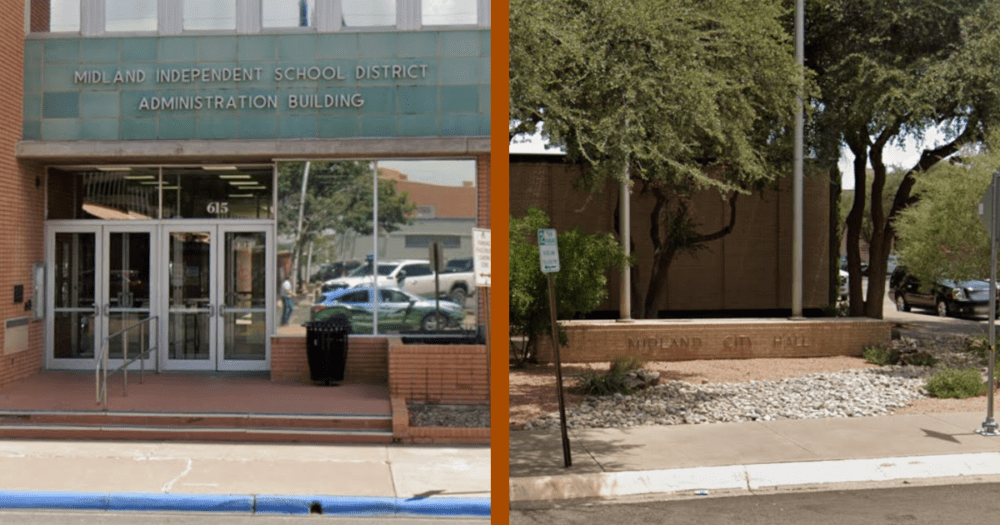
What happened: A public disagreement has emerged between Midland ISD trustee Matt Friez and City of Midland officials over economic incentives, infrastructure funding, and responsibility for recent drainage fee increases.
The bottom line: Friez says abatements and rebates are foregone taxpayer resources that limit the city’s ability to plan for infrastructure. City officials say the incentives are performance-based, time-limited tools that affect only future collections and expand the long-term tax base. Below are both statements in full, followed by a brief context on how the dispute fits into the broader policy debate.
MISD Trustee Matt Friez’s statement — Editor’s note: The following statement is published in full, without edits from Friez’s Facebook page, with his approval to republish.
The last few weeks we have seen City Hall blame MISD for their budget woes. Let’s be very clear about the hypocrisy. The City of Midland claims it can’t proactively budget for roads and drainage when it comes to MISD schools, then turns around and gives away roads, tax revenue, and millions in taxpayer incentives to Costco.
Midland’s top stories. One quick email. Free, every Friday.Get Midland Wrapped, our free weekly email for busy Midland residents. Each Friday, we break down the week’s most important local stories — what happened, why it matters, and what to watch next — so you can stay informed without the noise.Here are the facts. Costco receives 100% of the City’s sales tax rebated for 30 years, 50% of the City’s property taxes rebated for 20 years, roughly $6.5 million in MDC reimbursements, waived development and impact fees, and City-built roads and infrastructure delivered to their front door. MISD, meanwhile, is blamed for new drainage and road fees, blamed for infrastructure failures, and is lectured about “not budgeting ahead.”
To add to that we saw delay after delay on Garfield road construction while city leaders spent their time on bright shiny objects. So let’s translate City Hall’s logic. If you’re a billion-dollar corporation, the City plans, pays, paves, and waives fees. If you’re educating Midland’s kids, you get the bill, the blame, and delays. That’s not fiscal responsibility. That’s backwards priorities and selective accountability.
Stop scapegoating schools. Start owning the City’s budgeting decisions. What does this DEI promoting, outside owned Costco deal actually cost taxpayers? Using conservative assumptions, a typical Costco generates roughly $260 million in annual sales. Even assuming only 50–75% of those sales are taxable in Texas, rebating about 1% of taxable sales for 30 years alone equals roughly $39–$60 million.
Add another $2–$4 million from the 20-year property tax rebate, plus up to $6.5 million in MDC reimbursements, before counting waived development fees or future growth. All in, this is reasonably a $50–$70+ million public giveaway — while schools are told the City “can’t afford” to plan for their roads. Then add that Costco takes away business from local companies that pay all their taxes and also is able to poach labor because of government favoritism, and it is even worse.
City of Midland response — Editor’s note: The following statement is published in full, without edits, as provided to The Permian Press by the City of Midland.
The City of Midland respects Trustee Friez and his comments, especially as the school district attempts an academic reform effort for the ages. The trustee is correct about the unfunded mandate that the district and the $1.4 billion school bond vote of 2023 put on the residents of the city of Midland (including those who didn’t vote for it). And our elected officials have wrestled with how to deal with that same issue from a City of Midland perspective.
Just like the current MISD board takes its steps toward becoming a better school district, the City of Midland has made strides taking care of long-standing problems inherited after decades of inattention. And it has been this council and current leadership that has made the decisions necessary to improve public safety, water availability, infrastructure, parks development and quality of life while still being able to lower property tax rates and elevate Midland to be premier city in the region.
While some people would have preferred city leaders sling mud at Friez, we stand by the unanimous vote to bring Costco and its $61.48 million estimated economic impact to Midland. The incentives are performance-based, capped, and time-limited, and from the day the store opened, all other taxing entities received their full property and sales tax benefit, with no impact to school revenues and the full value remaining on the tax rolls long-term. We are pleased Costco will help strengthen Midland’s role as a regional leader.
The City also believes our efforts are better working with the district on infrastructure, the current crossing guard program funded by the city, school zone roadway improvements funded by the city, potential workforce programs and education initiatives support through the MDC (like has taken place in the past). Additionally, we’re grateful that MISD came to the table on the amount that they pay for events at the sports complex, and we would welcome an additional agreement with the district for their facilities to be open for public use.
There is still work to be done on other facilities that would be great for regional tournaments to make things whole. To the residents of Midland, drainage fees also will help fund tens of millions of dollars of improvements – even beyond MISD infrastructure – for the next 20 years. Some may insist on social media-fueled distractions, but city leaders remained focused on creating and implementing a strategic plan worthy of the oil capital of the Permian Basin.
Between the lines: This exchange reflects a broader disagreement over how economic incentives affect government finances. Both sides agree that infrastructure demands have increased alongside growth. They disagree on whether incentive agreements meaningfully constrained the city’s ability to plan for projects tied to MISD facilities. For a deeper dive, read our analysis on what economic incentives are and what they aren’t.