
Property rights prevail in Llano Estacado neighbor dispute
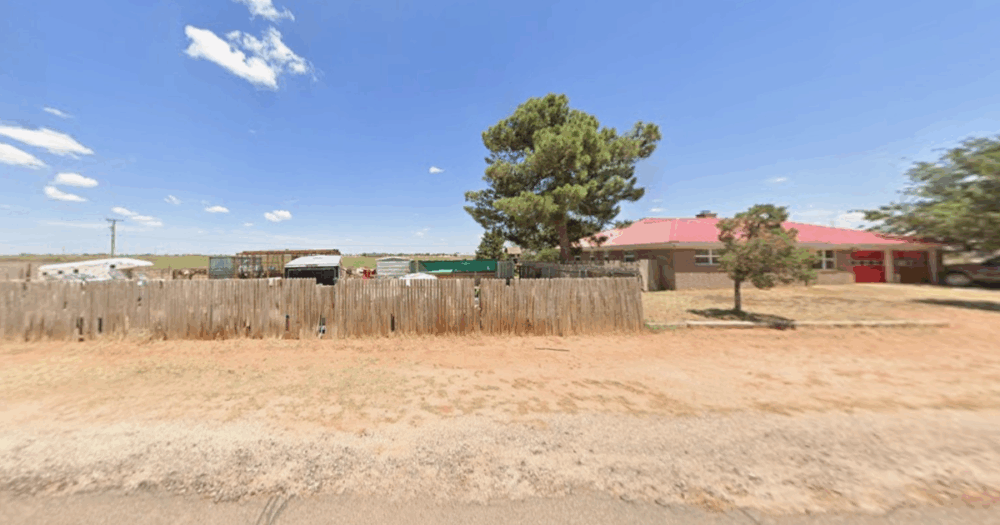
What happened: The Midland City Council voted 5–1 to let the owner of 6500 Gladiola Ave. in the Llano Estacado subdivision split a one-acre lot into two half-acre lots, allowing a second single-family home next to an existing one. The request met the neighborhood’s private covenants, which allow smaller lots, and city staff said it aligned with existing development patterns.
Four homeowners, about 40 percent of those within 200 feet, objected, saying the split would add traffic and change the neighborhood’s character. There are currently nine homes on Gladiola Avenue. Seven lots in the roughly 45-home subdivision are already smaller than one acre.
Council members said they understood residents’ concerns but emphasized that the proposal was consistent with the subdivision’s precedent. Mayor Lori Blong and several others said the vote came down to property rights and fairness in applying the same standards to everyone. Councilman John Burkholder voted against the item. His reasoning is included later in the article.
Why it matters: This decision highlighted how Midland balances property rights between neighbors. Every homeowner has the right to enjoy their property, but that right doesn’t extend to stopping someone else from lawfully improving theirs. While the property sits in a Country Estate zoning district that typically requires one-acre lots, the city can grant special exceptions when the proposed use fits the surrounding development.
City staff said similar half-acre lots already exist throughout Llano Estacado. The subdivision’s covenants allow lots as small as 10,000 square feet, about 0.29 acres, so the proposed half-acre lots remain within those limits. The planned home would likely raise nearby property values. The owner cleaned up the once-neglected lot, removing nine semi-truck loads of junk after purchase.
While some residents said they preferred the lot remain as it was, their objections focused on change itself rather than measurable harm. Most council members said the city’s role is to apply zoning rules consistently, not halt development based on preference. The outcome reaffirmed that property rights run both ways. Homeowners deserve stability, but they also share responsibility to let others make lawful improvements.
Catch up quick: Several Llano Estacado homeowners cited an ongoing lawsuit, filed August 28, against the City of Midland, the YMCA, and Bynum School, as a reason the city should postpone a decision. The suit, in which they are plaintiffs, asks the court to declare two internal subdivision roads, Golden Gate Road and Avalon Road, as private easements and to block public or institutional use of them.
The city attorney clarified that the lawsuit has no connection to the Gladiola Avenue request. “This item doesn’t have anything to do with the restrictions pleaded in the lawsuit itself,” he told the council. “I don’t have any legal hesitation in the council acting on the special exception.” The Permian Press obtained a copy of the lawsuit through the Midland County Clerk’s online public records portal.
What they’re saying: Councilwoman Amy Burkes said the decision was difficult but ultimately reasonable because of a similar split-acre property across the street. “When there’s objections, we always look at those closely,” she said. “But I think with this one, subdividing makes sense to me.”
Blong said the council doesn’t take zoning decisions lightly because they directly affect neighbors’ lives, but she framed her reasoning around precedent. “We don’t do this flippantly and we don’t disregard anyone’s perspective,” she said. “But this isn’t inconsistent with other parts of the neighborhood, and we look at that closely.”
The other side: Burkholder sided with residents who opposed the change. The Permian Press asked him about how he balances property rights with neighbor concerns.
“This property presented a unique circumstance,” Burkholder said. “The neighborhood has operated under its own bylaws for many years prior to annexation by the city. Given the 40% objection from neighboring residents and ongoing concerns regarding pre-existing covenants and other unresolved neighborhood issues, I determined that a ‘no’ vote was the most appropriate course of action.”