
Meet the oilman who brought the Petroleum Museum to life
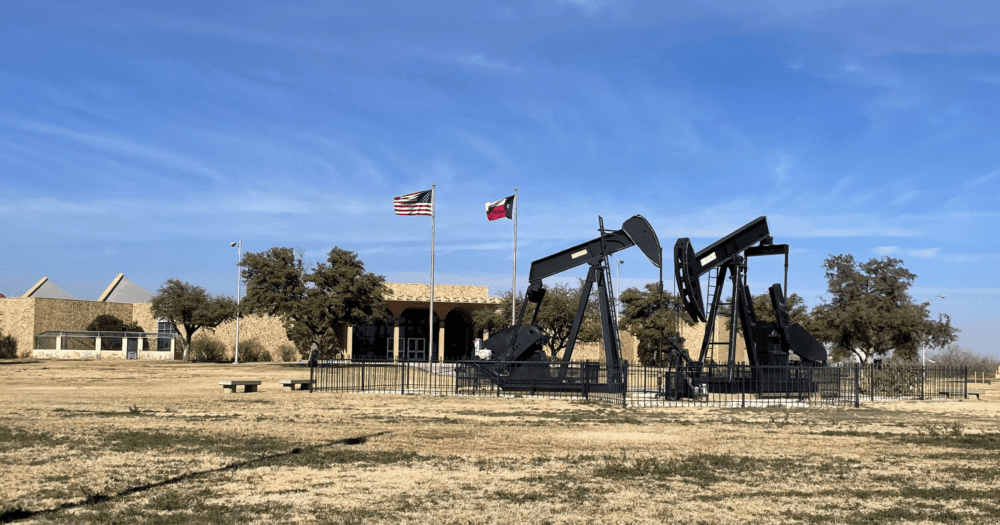
Photo credit: Permian Press staff
What happened: In the heart of oil country, visionary Midland oilman George T. Abell rallied more than 500 dedicated community leaders to bring a bold idea to life. They founded the Permian Basin Petroleum Museum to celebrate the industry’s pioneers and the resilient spirit that built our city.
After years of planning, hard work, and generous support, the museum officially opened its doors to the public in 1975, becoming a landmark that draws families, students, and visitors eager to explore Midland’s energy heritage.
Why it matters: This museum safeguards the stories of determination, innovation, and community grit that turned the Permian Basin into a global energy powerhouse. It fosters great pride among Midland families and serves as a reminder to everyone on how the oil industry shaped daily life, economic strength, and the West Texas way of living.
The big picture: George T. Abell arrived in Midland in 1927 after completing civil and mechanical engineering studies, taught himself geology, and quickly made his mark as an independent wildcatter in the 1930s. His successes included significant oil field discoveries in the Permian Basin.
From that success, he and his wife, Gladys, launched the Abell-Hanger Foundation in 1954 to give back to the community they loved. Through the foundation, he led the creation of the museum, blending education, art, and history into one inspiring destination.
-
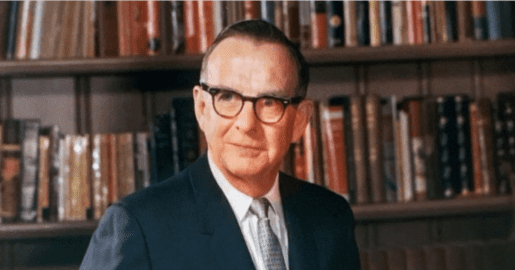
- Photo credit: The Abell-Hanger Foundation
As a charter member of the Permian Basin Petroleum Pioneers, he co-founded the museum to honor the drillers, roughnecks, and families who built the region. The result stands as the nation’s leading museum focused on petroleum and its trailblazers.
Spanning over 40,000 square feet of indoor exhibits plus expansive outdoor displays, the museum covers more than 230 million years. From ancient Permian seas teeming with life to cutting-edge drilling tech. Highlights include interactive geology lessons, the Petroleum Hall of Fame honoring over 140 key figures, and the thrilling Chaparral racing cars that showcase engineering ingenuity.
Go deeper: Abell personally commissioned artists like Tom Lovell to create vivid scenes of Permian Basin history, which the Abell-Hanger Foundation later gifted to enrich the collection. An entire Abell Family Gallery shares personal artifacts and stories from the founding family.
The outdoor “Oil Patch” area, featuring massive vintage rigs, derricks, and tools, was a pet project of Abell’s, who spent much of his time collecting antique oil field equipment now displayed on the museum’s grounds.
What’s next: Plan a family outing to the Petroleum Museum at 1500 W Interstate 20 in Midland. Dive into hands-on programs, guided tours, and special events designed for kids and adults alike. Admission runs $12 for adults and $8 for kids.