
Healing after trafficking: How Reflection Ministries helps survivors rebuild their lives
Editor’s note: January is National Human Trafficking Prevention Month. The Permian Press spoke with Reflection Ministries about its work supporting survivors of human trafficking and sexual abuse in Midland and across West Texas. Reader discretion is advised, as this article contains themes related to abuse and exploitation.
What is Reflection Ministries
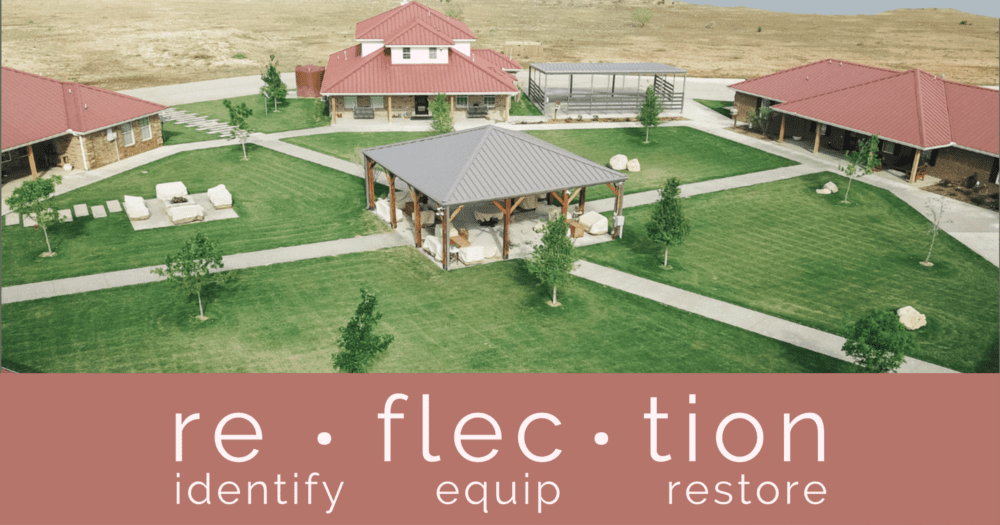
Reflection Ministries is a Midland-based nonprofit that provides a four-year program offering crisis stabilization, transitional living, and aftercare support for survivors of human trafficking and sexual abuse. The organization operates from a secure residential campus, The Village, at an undisclosed location, providing 24/7 support and privacy for residents.
Reflection was founded in 2016 by Lisa Bownds, a survivor herself. After realizing how few places existed where survivors could find long-term restorative care, Bownds said her goal was to build a place that met survivors at the moment of crisis and walked with them through every phase of restoration.
The name Reflection comes from Bownds’ own story. After being trafficked and assaulted, she has shared that she once looked in the mirror and saw someone hollow and without hope. Reflection exists, she said, so survivors can one day look in the mirror and see strength, dignity, and worth.
The scope of trafficking in Midland and West Texas
Reflection Ministries said human trafficking in Midland is urgent and often overlooked. According to the organization, Midland’s location along the Interstate 20 corridor places it on a direct route used by traffickers. The region’s workforce includes many high-paying, short-term jobs, which Reflection said can fuel demand for trafficking.
Reflection representatives said traffickers in the region have developed systems that function on demand, allowing buyers to select individuals by age or appearance and have them delivered quickly. While men make up most buyers, Reflection said research shows approximately 11% are women. The organization said that Texas ranks second in the nation for human trafficking, with an estimated 300,000 victims across the state.
A survivor’s journey through Reflection Ministries
Editor’s Note: Reflection Ministries shared the following survivor story with The Permian Press to illustrate what long-term recovery can look like through its program. Names and identifying details have been withheld.
“Every survivor’s story is sacred and deeply personal, reflecting strength, courage, and the power of restoration.”
“Trafficking for this individual began at four years old. A mother struggling with addiction began selling the child to men in exchange for drugs. The child was told to ‘be good’ so the next high could be secured. The child was beaten into silence and taught that obedience meant survival.”
“As the years went on, the abuse became routine. By adolescence, multiple traffickers were involved. The child was moved between homes and traded to men who saw a human life as a product to be used and discarded. Drugs were forced into the child’s system to ensure compliance.”
“The recovery process began when law enforcement located the survivor and contacted Reflection to provide immediate services. The Reflection team began with the simplest acts of care: a warm meal, a hot shower, clean bedding, and quiet reassurance that no harm would come.”
“For the first time, the survivor entered a place where no one wanted something in return. The survivor began counseling, education, and spiritual care. The individual earned a GED, obtained a driver’s license, developed new job skills, and received medical and therapeutic care.”
“Today, this survivor lives independently, maintains steady employment, and is raising a child in a safe and stable home.”
How Reflection’s programs work
Reflection said that each part of its mission reflects the story and purpose of Reflection Ministries: to identify those in need, to equip communities to act, and to restore lives through compassionate, faith-based care.
Identify — Reflection partners with local, state, and federal law enforcement to assist in recoveries and support the prosecution of traffickers and buyers. According to the organization, law enforcement partners work to gather evidence while minimizing the need for survivors to participate directly in trials.
Equip — Education and prevention are also central to the organization’s work. Reflection provides training for first responders, educators, health care providers, law enforcement, parents, at-risk youth, and community leaders. These sessions focus on recognizing trafficking, interrupting exploitation, and reducing demand.
Restore — Long-term restoration focuses on individualized care that addresses housing, health care, education, employment readiness, and emotional healing.
Inside The Village
Housing follows a three-phase model. Crisis stabilization provides immediate safety and support. Second-stage homes continue structure while survivors build independence. Aftercare homes allow survivors to transition into independent living while maintaining access to services.
Survivors also participate in Reflection Ministries Academy, which offers GED preparation, vocational programs such as culinary arts and sewing, and life-skills education including financial literacy and healthy relationships.
Recognizing and reporting trafficking
Reflection said prevention begins with awareness. Warning signs of trafficking may include isolation, lack of personal identification, sudden changes in behavior or appearance, visible fearfulness, or someone else speaking on a person’s behalf. Victims may appear loyal to their trafficker because of emotional or financial dependency.
If someone suspects trafficking, Reflection advises against direct confrontation for safety reasons. Individuals should gather as much information as possible and contact appropriate authorities. Reflection said it is available to help coordinate a trauma-informed response when concerns arise.
How the community can help
Reflection Ministries is a 501(c)(3) nonprofit and does not accept state or federal funding. The organization said this independence allows it to operate with flexibility, maintain confidentiality, and preserve the integrity of its faith-based mission.
Support can include financial contributions, volunteering, prayer, and helping raise awareness. Reflection said community support makes it possible to respond when a survivor is identified and sustain long-term housing and care.
Reflection also provides Human Trafficking 101 training and specialized education on topics such as sextortion, online grooming, and prevention for youth, parents, and professionals. Information about trainings and events is available through the organization’s website.
The bottom line
Reflection Ministries operates on the belief that long-term restoration, not short-term rescue, is essential for survivors of trafficking. As awareness grows across West Texas, community education, prevention, and sustained support remain critical to reducing exploitation and helping survivors rebuild their lives with stability, dignity, and independence.